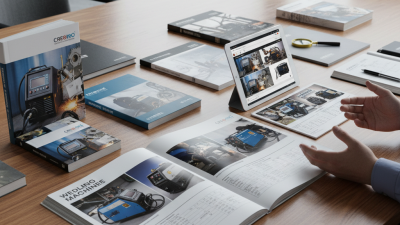
Top 10 Welding Machine Catalogues for Global Buyers?
In the world of manufacturing and construction, the right tools are essential. A comprehensive Welding Machine Catalogue can greatly assist buyers in making informed decisions. These catalogues showcase a variety of machines, each designed for specific tasks. They provide critical details like specifications, pricing, and reviews.
Global buyers often face challenges in selecting the best equipment. Not every catalogue offers the same level of reliability or transparency. Some might highlight products without addressing limitations. Therefore, it’s crucial to assess not only the models available but also the credibility of the information provided.
When exploring the top welding machine catalogues, understanding these nuances is vital. With various options out there, buyers need insightful guidance. This overview aims to highlight catalogues that excel in providing valuable information. It will take a closer look at their offerings, ensuring buyers can make prudent choices in their investments.
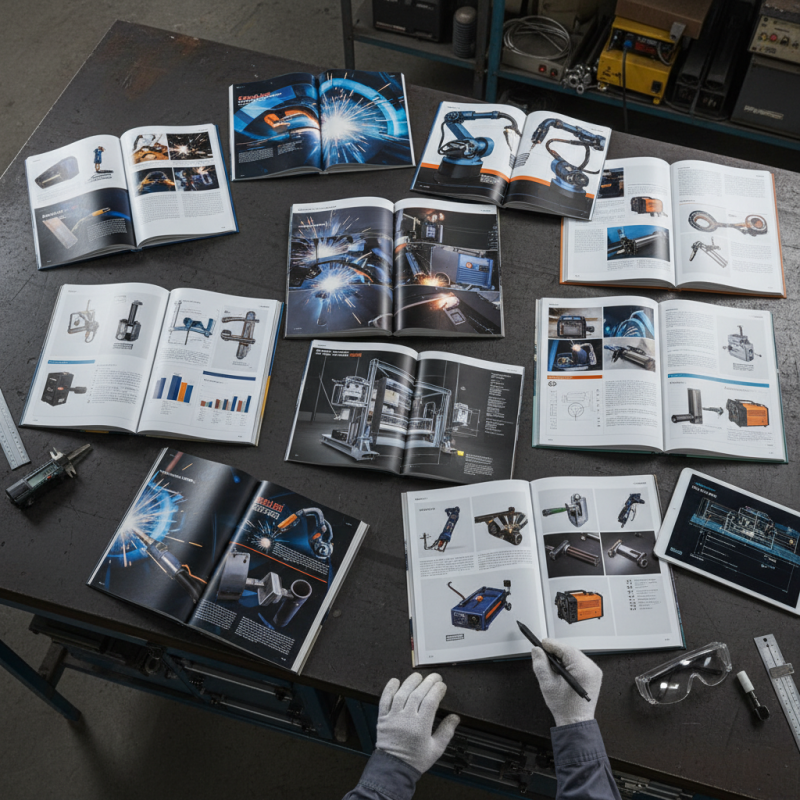
Overview of Welding Machine Types and Technologies
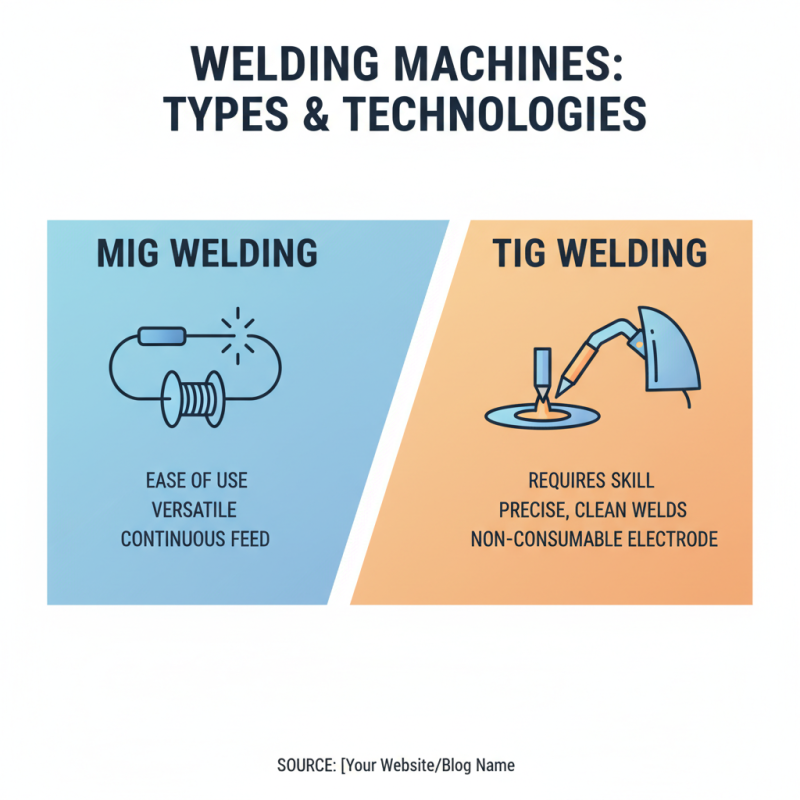
Welding machines come in various types, each designed for specific applications. MIG welding machines are popular for their ease of use and versatility. They employ a continuous feed of filler metal, which provides a smooth and efficient welding process. TIG welding machines, on the other hand, require more skill. They use a non-consumable tungsten electrode and are ideal for precise and clean welds.
Another important type is Stick welding equipment, which is known for its simplicity and effectiveness. It is widely used in outdoor environments and for heavy-duty applications. Submerged Arc Welding (SAW) is more specialized and is often utilized for large-scale industrial projects. Each type of machine has its own set of advantages and limitations.
Understanding these differences is crucial for buyers. Many people struggle to select the best machine for their needs. Each welding method has a learning curve and potential challenges. It is essential to consider the specific project requirements and skill levels. Therefore, potential buyers should invest time in research and seek expert advice to avoid costly mistakes. Making an informed choice can greatly enhance the efficiency and quality of welding tasks.
Key Features to Look for in Welding Machines
When evaluating welding machines, specific key features stand out as vital for global buyers. Power output is fundamental. Buyers often need machines that can handle various materials. Look for machines offering adjustable amperage settings. This ensures versatility for different tasks.
Another critical feature is the type of welding process supported. Some machines excel in MIG welding, while others may focus on TIG or stick welding. A machine that can accommodate multiple processes is often more useful. Buyers sometimes overlook this aspect, which can lead to regrets later.
Portability is another factor worth considering. A lightweight machine can be beneficial for mobile applications. Not all buyers think about how often they may need to transport their equipment. Durability also plays a role. Machines must withstand harsh working conditions. Many buyers wish they had chosen more rugged options after encountering damage during use. Make sure to assess all these aspects closely.
Criteria for Selecting Welding Machine Catalogues
When selecting welding machine catalogues, it is crucial to focus on key criteria. Start by examining the comprehensiveness of the catalogue. A good catalogue should provide detailed specifications, application areas, and user guidelines. This ensures buyers fully understand the product capabilities. Look for high-quality images that showcase the machinery. Clear visuals help in assessing the build quality and design features.
Another important aspect is the credibility of the source. Catalogues from established manufacturers often offer more reliable information. Check for certifications and safety standards mentioned in the catalogue. This can indicate adherence to industry regulations. Customer testimonials and reviews within the catalogue can also provide insights into real-world performance.
Consider ease of navigation within the catalogue. A well-organized layout facilitates quick access to needed information. However, some catalogues can be overly complicated, making it difficult to find relevant details. Keep an eye out for user-friendly designs that enhance overall experience. Lastly, evaluate whether the content is updated regularly. Outdated catalogues may not reflect the latest technology and trends.
Top 10 Welding Machine Catalogues for Global Buyers
| Catalogue Name |
Country of Origin |
Machine Types |
User Ratings |
Price Range |
| Industrial Welding Solutions |
USA |
MIG, TIG, Stick |
4.5/5 |
$500 - $3000 |
| Precision Welders Catalog |
Germany |
Laser, MIG |
4.7/5 |
$800 - $5000 |
| Advanced Welding Technology |
Japan |
TIG, Arc |
4.6/5 |
$600 - $4000 |
| Budget Welding Machines |
China |
MIG, Stick |
4.0/5 |
$200 - $1500 |
| Heavy-Duty Welding Equipment |
Canada |
Stick, TIG |
4.8/5 |
$700 - $6000 |
| Welding Machineries & Tools |
Italy |
MIG, TIG, Plasma |
4.5/5 |
$400 - $3500 |
| Professional Welding Supply |
UK |
MIG, TIG |
4.3/5 |
$500 - $2500 |
| Global Welding Innovations |
South Korea |
Stick, MIG, ARC |
4.4/5 |
$300 - $4500 |
| Eco-Friendly Welding Solutions |
Australia |
MIG, TIG |
4.6/5 |
$600 - $3000 |
| Smart Welding Systems |
France |
Laser, MIG |
4.9/5 |
$1000 - $7000 |
Top Global Manufacturers and Their Catalogues
When exploring the landscape of welding machinery, global manufacturers stand at the forefront. Each company brings its unique strength to the table, showcasing diverse product catalogues. These catalogues provide detailed information about specifications, pricing, and available models. They help buyers to make informed decisions that align with their needs.
The catalogues often include comprehensive technical data. This may cover welding processes, machine capabilities, and safety features. Such details are crucial for professionals seeking reliable equipment. However, not every catalogue is user-friendly. Some may lack clarity or be overly complex, making it challenging for buyers to navigate.
Global manufacturers continue to adapt, aiming for improvement in their presentations. To enhance user experience, they need to focus on clarity and accessibility. The best catalogues should cater to both seasoned welders and newcomers. Simplicity can be a strength. Including clear visual aids and straightforward language can significantly benefit the user. Collaboration with users could lead to even better catalogue designs, addressing common pain points in the industry.
Comparative Analysis of Popular Welding Machine Models
When considering welding machines, it's essential to evaluate various models against industry standards. Recent reports highlight that over 60% of welding machines used globally fall within three main categories: MIG, TIG, and Stick welders. Each model boasts distinct features suited for specific applications, crafting an informed choice for industries ranging from automotive to construction.
MIG welding machines are known for their speed and efficiency, making them ideal for thin materials. In contrast, TIG machines excel in precision for delicate tasks. However, both methods come with nuances. For instance, MIG welders can generate spatter, requiring post-weld finishing. Meanwhile, TIG welders demand a higher skill level, which can lead to inconsistencies when operated by inexperienced hands.
From a reliability perspective, industry reports suggest a growing trend towards inverter technology, offering portability and energy efficiency. However, the long-term durability of these machines still raises questions. Some users report issues with electronic components over time, prompting reflections on maintenance practices in the field. Understanding these nuances equips potential buyers to make well-rounded decisions that suit their operational needs.
Top 10 Welding Machine Models - Comparative Analysis