How to Create a Comprehensive Welding Machine Catalogue for Your Business
Creating a comprehensive Welding Machine Catalogue is essential for any welding business. A well-structured catalogue not only showcases your products but also enhances customer understanding. It reflects your expertise in the welding industry and establishes your authority.
In assembling your Welding Machine Catalogue, consider various factors. Product specifications, features, and applications should be clearly detailed. High-quality images are crucial; they draw attention and provide visual context. Make sure to include product dimensions, weight, and any certifications. This transparency builds trust with your customers.
However, creating a catalogue can be challenging. It's easy to overlook important details or make formatting errors. Regular updates are necessary as new machines and technologies emerge. Reflect on your processes, and seek feedback from colleagues or customers. A dynamic catalogue not only serves as a marketing tool but also as a valuable resource for your clients.
Understanding the Importance of a Welding Machine Catalogue
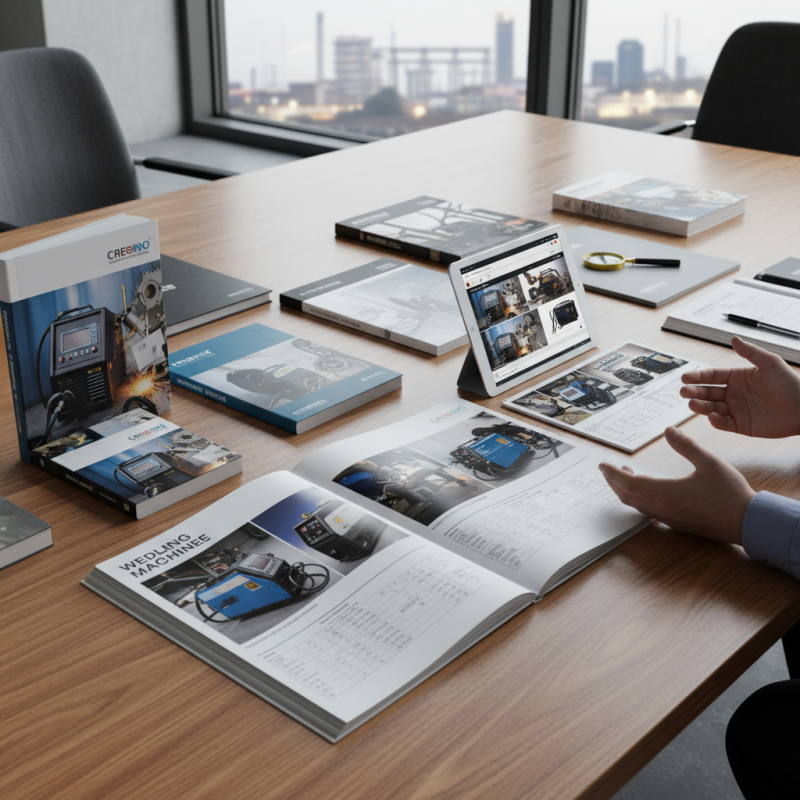
A welding machine catalogue is vital for any business in the metal fabrication industry. It serves as a reference tool for clients and helps highlight the variety of equipment available. Understanding the importance of this catalogue can enhance customer satisfaction and streamline sales processes.
Tips: Ensure the catalogue includes clear specifications for each machine. Users appreciate detailed descriptions that reflect the machine's capabilities. Simplify complex jargon to boost accessibility. Remember, not all clients are industry experts.
A well-designed catalogue also establishes credibility. It demonstrates professionalism and engagement with your audience. Include images and diagrams that accurately represent each machine. This visual detail can help in building trust with potential customers.
Mistakes can happen. Regularly update your catalogue to reflect changes in inventory or technology. An outdated catalogue can confuse clients and lead to missed opportunities. Take time to gather feedback from customers about the catalogue’s usability. This reflection can provide valuable insights into areas needing improvement.
Welding Machine Catalogue
| Model |
Type |
Welding Process |
Input Voltage |
Output Current |
Weight |
Price (USD) |
| WELD-200 |
MIG |
MIG/MAG |
230V |
200A |
25 kg |
$450 |
| WELD-300 |
TIG |
TIG Welding |
220V |
300A |
20 kg |
$600 |
| WELD-400 |
Stick |
Stick Welding |
230V |
400A |
30 kg |
$350 |
| WELD-500 |
Multi-Process |
MIG/TIG/Stick |
240V |
500A |
40 kg |
$800 |
Identifying Your Target Audience for the Catalogue
Identifying your target audience is crucial for creating an effective welding machine catalogue. Start by defining who will use your products. Are they professional welders, hobbyists, or industrial companies? Each group has unique needs. Professionals may seek advanced features for efficiency. Hobbyists might prioritize ease of use and affordability. Understanding these differences helps you tailor your catalogue content.
Next, consider the language and terminology to use. Experts often appreciate technical details, while newcomers may feel overwhelmed. Including a glossary can help bridge this gap. Visuals play a key role too. High-quality images and infographics can illustrate the capabilities of your machines. Think about the layout. A clean, structured design will engage readers.
It’s also important to reflect on potential gaps in your research. Have you surveyed potential customers? Their feedback can guide your choices. Failing to address customer pain points may lead to a catalogue that misses the mark. Aim for continuous improvement. Gathering user insights can refine your offerings and strengthen your catalogue’s relevance.
Selecting Essential Information and Specifications to Include
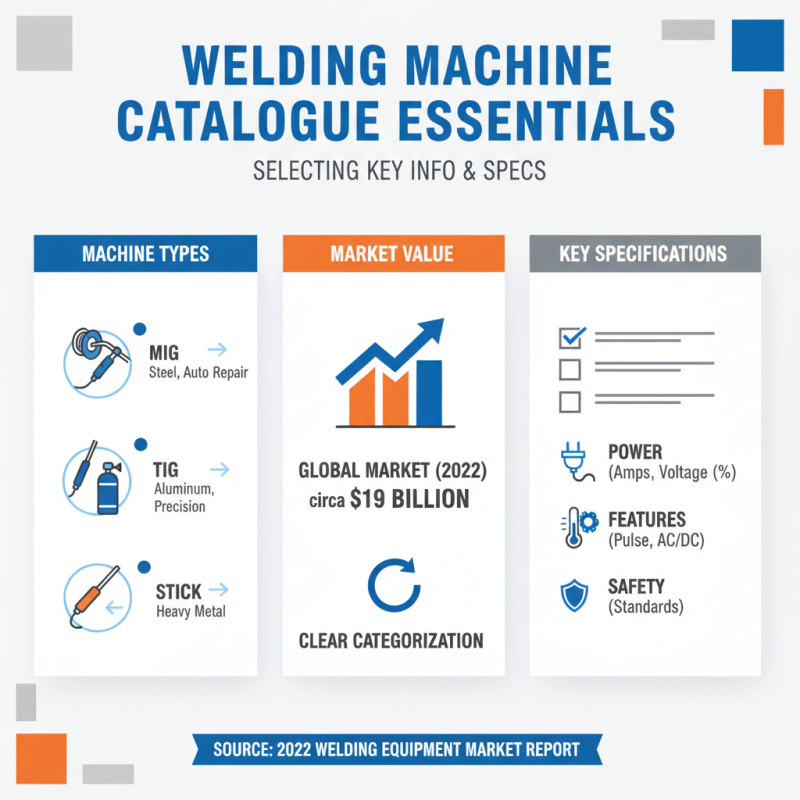
Creating a comprehensive welding machine catalogue requires careful selection of essential information. Start by defining machine types, such as MIG, TIG, and Stick. Each type serves specific applications. Reports indicate that in 2022, the global market for welding equipment reached approximately $19 billion. This highlights the need for clear categorization and detailed specifications.
In addition to machine types, include technical specifications like output power, voltage, and duty cycle. For instance, a typical MIG welder may range from 140 to 300 amps. These details are crucial for users. According to the American Welding Society, the right specifications improve operational efficiency and safety.
Furthermore, consider including user reviews and feedback. This can provide insights into machine performance and reliability. Not every user will have a positive experience. Acknowledging this can enhance your catalogue's credibility. Regularly updating your catalogue based on industry trends is vital. Information found in recent surveys show that 70% of users prefer updated resources. Balancing detailed specifications with real user experiences creates a more comprehensive guide.
Designing an Engaging and User-Friendly Catalogue Layout
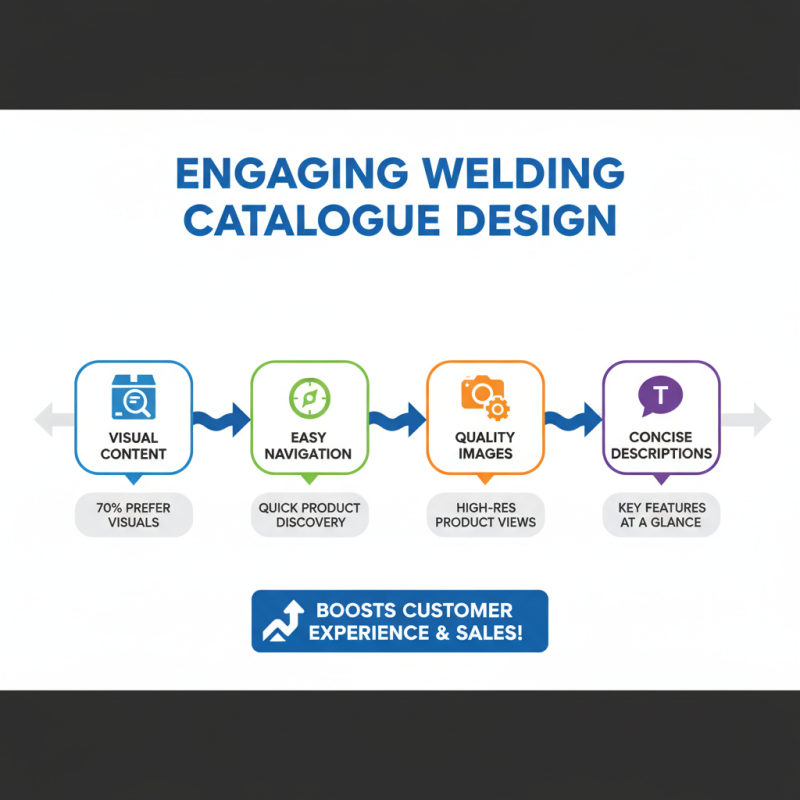
Creating an engaging and user-friendly catalogue layout for welding machines is crucial for any business in this sector. A well-structured catalogue not only showcases products but also enhances the customer experience. For instance, a recent report from the International Institute of Welding indicates that 70% of customers prefer visual content and easy navigation when selecting products. Incorporating high-quality images and concise descriptions can significantly improve user engagement.
To achieve an effective layout, prioritize clarity and accessibility. Use clear headings and bullet points to highlight key features, specifications, and benefits of each machine. It's essential to keep the design clean and uncluttered. A survey from the American Welding Society found that 60% of customers would abandon a catalogue that is not visually appealing or hard to read. Consider including a comparison chart to aid in decision-making.
While striving for an ideal layout, remember that perfection is elusive. Feedback from customers about catalogue usability can sometimes be challenging to hear. Some may find specific details lacking or suggest improvements in product categorization. Embrace this input as opportunities for growth. Reflecting on these insights will help you create a more comprehensive and user-friendly catalogue, ultimately meeting the diverse needs of your clientele.
Strategies for Marketing and Distributing Your Welding Catalogue
Creating an effective marketing strategy for your welding machine catalogue is crucial. Focus on understanding your target audience. Are they professionals, DIY enthusiasts, or educators? Knowing this will guide your content. Use clear language that speaks directly to their needs. Highlight key features of each machine. Include specifications, user benefits, and common applications.
Distributing your catalogue is just as important as marketing it. Consider both digital and physical formats. A website can showcase your catalogue well. Use search engine optimization to drive traffic. Social media platforms can be great for engaging with potential customers. But don’t overlook print. A well-designed brochure can have a strong impact in local trade shows or events.
Including a call to action can enhance reader engagement. Encourage potential customers to contact you for more information. It’s important to reflect on feedback. If your catalogue doesn’t yield expected results, ask why. Perhaps the information isn’t clear, or the design needs improvement. Continuously refine your approach for better outcomes. This iterative process ensures your catalogue remains relevant and effective.
Welding Machine Sales Distribution by Type