Top Welding Machine Catalogue for Every Welder's Needs?
In the world of welding, choosing the right equipment is crucial. A comprehensive Welding Machine Catalogue can guide welders at all skill levels. With so many options available, selecting the right machine can be overwhelming. Understanding your needs is the first step.
Every welder has unique requirements. Some may prioritize portability, while others need heavy-duty equipment for larger projects. A good Welding Machine Catalogue provides detailed specifications. This helps you make informed decisions about each machine's capabilities.
Moreover, many welders face challenges in finding reliable equipment. It's essential to consider the reputation of the manufacturers listed in the catalogue. Look for reviews and expert recommendations. This ensures that your investment is worthwhile and meets industry standards. The right information can make welding safer and more efficient. Remember, the right machine is key to achieving professional results.
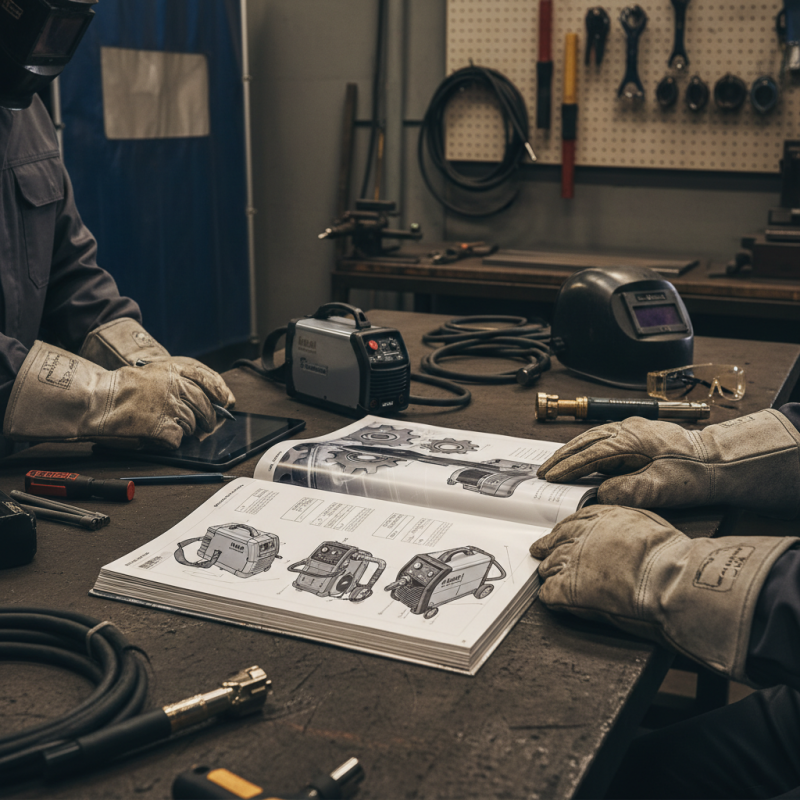
Top Welding Machines: An Overview of Different Types
Welding machines come in various types, each catering to specific needs. Understanding these types is crucial for every welder.
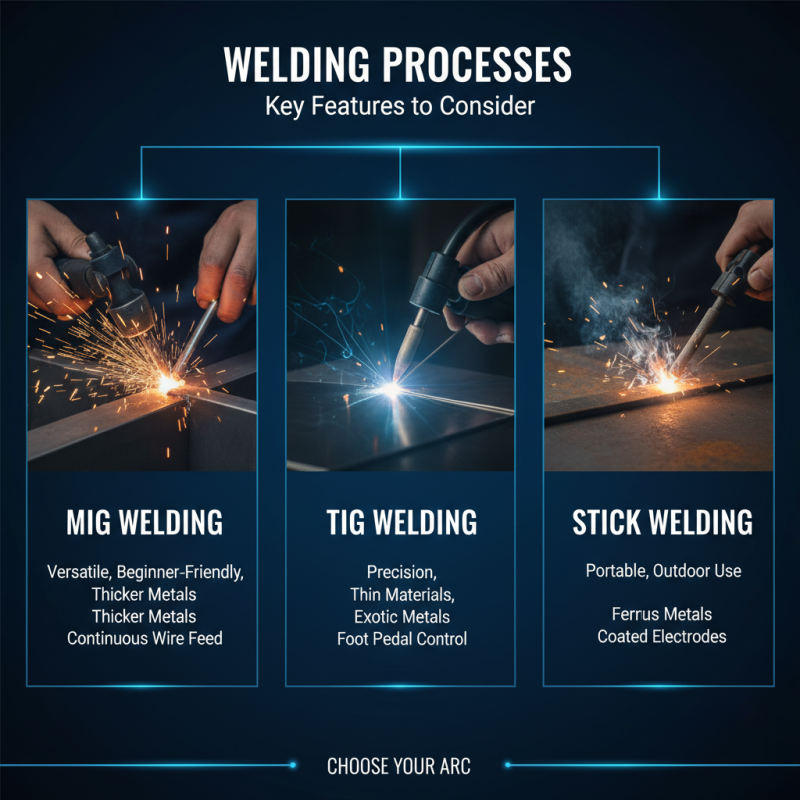
MIG, or Metal Inert Gas, is popular for its ease of use.
It provides a smooth finish and works well on thin materials.
TIG, or Tungsten Inert Gas, offers precision and control.
It is ideal for intricate welds and diverse materials.
Stick welding is another choice. It is versatile and effective for outdoor work. However, it requires skill and focus.
Each method has its pros and cons. Choosing the wrong type can lead to poor results.
Many welders often reflect on their choices. A machine might seem perfect initially, but user experience plays a huge role.
Some welders find that their needs evolve over time. What seemed ideal yesterday may not suit today’s projects.
Regular evaluation of tools is essential.
Discovering the right machine is a journey, not a destination.
Key Features to Consider When Choosing a Welding Machine
Choosing the right welding machine requires careful consideration of several key features. One important aspect is the type of welding process it supports. Common methods include MIG, TIG, and stick welding. Each has its own advantages and may suit different tasks. For example, MIG is versatile and beginner-friendly, while TIG offers precision for thin materials. Ensure the machine aligns with your specific welding needs.
Power output is another critical factor. Look for a machine that provides adjustable settings for voltage and amperage. This flexibility allows you to tailor your welding to different materials and thicknesses. Pay attention to duty cycle ratings as well. A higher duty cycle means your machine can operate longer before needing a break. This is crucial for larger projects.
Don't overlook portability and ease of use. Welding projects often require moving equipment around. A lightweight design with an easy-to-carry handle can make a big difference. Additionally, examine the safety features. Look for features like thermal overload protection and proper grounding. These elements enhance the reliability of your machine, ensuring safer operations. As you review these features, reflect on your own needs and potential limitations. This thoughtful approach can lead to better equipment choices.
Comparative Analysis: Popular Brands and Models of Welding Machines
When it comes to selecting a welding machine, knowing the differences among popular brands can be crucial. Various models offer unique features tailored to different welding needs. For example, a machine suited for TIG welding may lack the necessary power for MIG welding. This variance can lead to confusion for new welders.
A side-by-side comparison of models often reveals strengths and weaknesses. Some welding machines might excel in portability, making them ideal for fieldwork. Others provide more stability and power for heavy-duty tasks. The complexity of settings can also vary widely, affecting user experience. Machine operators must find a balance between ease of use and advanced features.
Consider the longevity and support offered by manufacturers. A robust warranty can reflect the machine’s quality and the company's commitment to its product. While some machines may promise cutting-edge technology, durable build quality is often overlooked.
Reflecting on these factors can aid welders in making informed choices. Each model has its pros and cons, depending on specific requirements. Evaluating these aspects ensures that the right machine meets your welding needs.
Welding Techniques and Applications for Different Machines
Choosing the right welding technique can enhance productivity and ensure quality results. Each welding machine serves specific applications. For instance, MIG welding is popular for its versatility and speed. It’s efficient for thin materials and often used in automotive industries. According to the American Welding Society, MIG welding accounts for nearly 60% of all welding jobs.
TIG welding offers precision and control. This technique is ideal for intricate work, often seen in aerospace and artistic applications. The flexibility it provides is vital for high-quality finishes. However, it requires a higher skill level compared to MIG. Understanding these differences is essential for selecting the right equipment.
Tips: Practice different techniques on scrap materials to build confidence. Consider the thickness and type of material you'll work with. Noticing which machine welds better for specific tasks can improve results. Reflect on past projects to identify areas for improvement. This will enhance skills and knowledge over time.
Maintenance Tips for Prolonging the Life of Your Welding Equipment
Welding equipment is a significant investment. Proper maintenance is crucial to extend its lifespan. According to a report by the American Welding Society, regular upkeep can increase equipment longevity by up to 30%. This is invaluable for both personal and professional use.
Start with routine inspections. Check for wear and tear in cables, connectors, and hoses. Clean the machines after every use. This prevents residue build-up, especially in high-humidity environments. Store your equipment in a dry, clean place. Moisture can lead to electrical faults or corrosion. Use a protective cover.
Monitor usage and operating conditions. Overuse can shorten lifespan. For instance, high temperatures can lead to overheating. Follow the manufacturer's guidelines for maintenance schedules. Keep records of repairs and part replacements. This practice can help identify patterns for frequent issues. Learning from past experiences can guide future maintenance efforts and improve machine reliability.
Top Welding Machine Catalogue for Every Welder's Needs
This chart displays the average user ratings for various types of welding machines, allowing welders to identify which type may best suit their needs. Proper maintenance of these machines is crucial for ensuring longevity and performance.