Top 10 Stick Welding Techniques You Should Know?
Stick Welding is a fundamental skill in the welding industry. According to John Smith, a seasoned expert with over 20 years of experience, "Mastering Stick Welding can open countless opportunities in various fields." This technique, often favored for its versatility and durability, requires a solid understanding of both the materials and the methods involved.
Many beginners struggle with Stick Welding due to its technical demands. It’s easy to make mistakes, especially when it comes to adjusting the arc length or selecting the right electrode. Yet, these challenges present valuable learning moments. Each mistake teaches you something important about heat control and joint preparation.
In this guide, we will explore ten essential Stick Welding techniques. These tips aim to enhance your skills and boost your confidence. Whether you are new to welding or looking to refine your craft, understanding these techniques can lead to better weld quality. Remember, practice makes perfect, but reflecting on your experiences is what truly builds expertise.
Essential Safety Precautions for Stick Welding Techniques
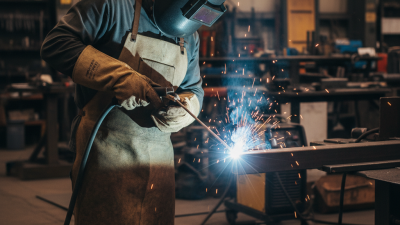
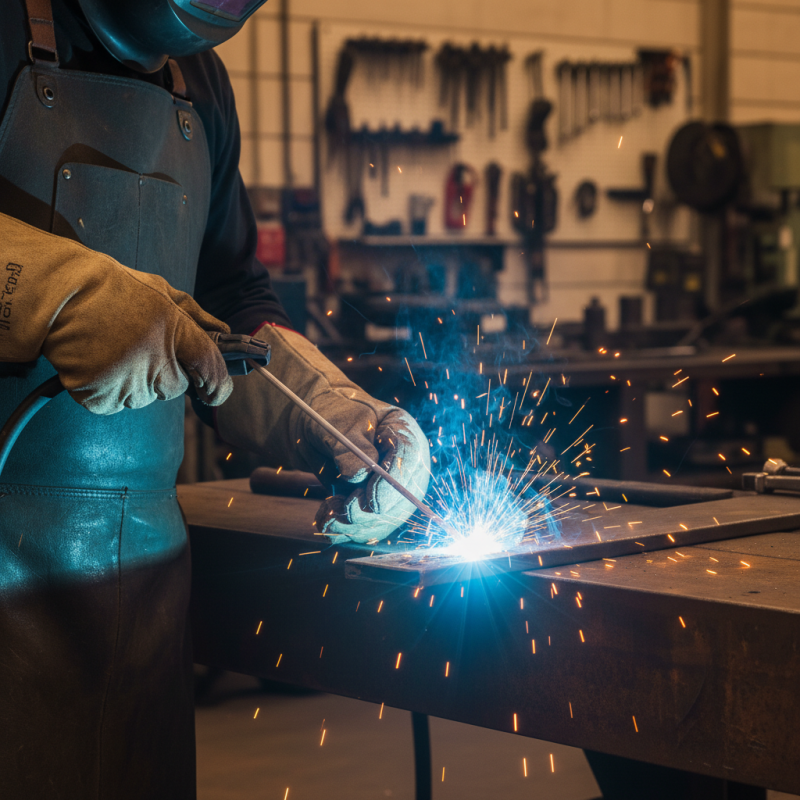
Safety is crucial in stick welding. Ensure you wear appropriate personal protective equipment (PPE). A welding helmet with the correct shade protects your eyes from sparks and UV rays. Gloves should be leather, providing durability and insulation. Also, consider fire-resistant clothing to avoid burns.
Ventilation is another important aspect. Welding produces harmful fumes. Working in a well-ventilated area minimizes the risk of inhalation. If you're indoors, use exhaust fans or fume extractors. Standing too close to the welding arc can cause serious burns. Maintain a safe distance to ensure your wellbeing.
Be mindful of your workspace. Keep flammable materials away from the welding area. An organized workspace reduces hazards. Take a moment to inspect your equipment. Faulty welding machines or cables can pose dangers. By practicing these safety measures, you can create a more secure welding environment. Always reflect on your practices for continuous improvement.
Understanding Different Types of Electrodes for Stick Welding
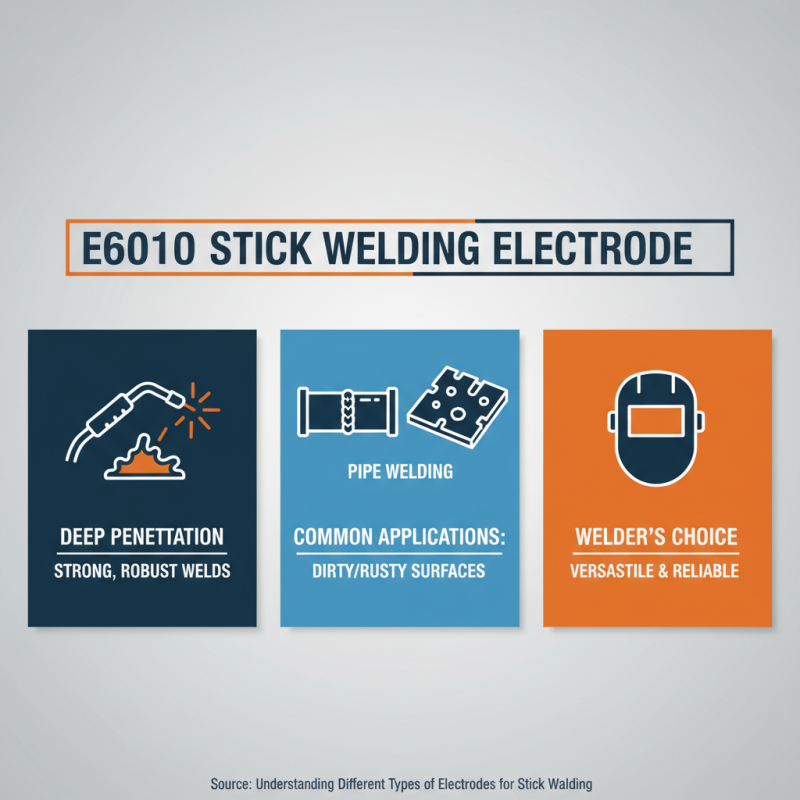
Understanding different types of electrodes is essential for successful stick welding. Each electrode type has unique properties and applications. For example, E6010 electrodes are known for their deep penetration and versatility. They are commonly used in pipe welding and for welding on dirty or rusty surfaces. Their ability to create strong welds makes them a popular choice among welders.
On the other hand, E7018 electrodes are favored for their smooth arc and low spatter. They are ideal for structural steel and provide excellent mechanical properties. However, they can be tricky to use in windy conditions. Sometimes, welders may find themselves struggling with undercutting or incomplete fusion when using this electrode.
It’s crucial to match the electrode type with the welding task. Experimentation can lead to better techniques and outcomes. Understanding the impact of different materials and angles on your weld can refine your skill set. Every welding project is a learning opportunity, and analyzing mistakes can enhance your technique.
Mastering the Proper Stick Welding Positions and Angles
Mastering stick welding requires understanding proper positions and angles. The right stance allows better control and improves weld quality. For instance, a 15-degree work angle is often ideal for vertical welding. This angle helps the molten pool stay under control, preventing excessive drips or sagging.
Positioning your body correctly is also crucial. Stand close enough to maintain visibility but far enough to avoid fumes. A comfortable posture reduces fatigue, allowing you to concentrate on your technique. If you find yourself straining or shifting too much, adjust your setup. This reflection on body mechanics can elevate your skill level.
Angles matter too. A 30-degree drag angle can enhance penetration in some materials. Conversely, going too steep may result in burn-through. Test various angles to see their effects on your welds. Each technique you try is a step toward mastering stick welding. Don’t be discouraged by initial failures; consider them part of the learning process.
Techniques for Maintaining a Steady Arc During Welding
Maintaining a steady arc during stick welding is crucial for quality welds. A steady arc ensures consistent penetration and reduces defects. One effective technique is to adjust the distance between the electrode and the workpiece. Keep it within a narrow range, typically around 1/8 inch. If the arc flickers or snuffs out, you may be too far away. Conversely, being too close can cause spatter and unwanted weld puddles.
Another essential skill is controlling your travel speed. Moving too fast can lead to incomplete fusion, while moving slowly may create excessive heat and distortion. Experimenting with different speeds is beneficial. Remember, it’s a balancing act. Over time, developing a feel for the right speed will enhance your weld quality. Fatigue can also affect your arc stability. Take breaks if you feel fatigued. A moment of rest can help regain focus and improve your technique. Reflection on your performance can lead to improvements in your approach.
Common Troubleshooting Tips for Stick Welding Issues
Stick welding can present several challenges. Common issues include porosity, undercutting, and inconsistent arc length. These problems can frustrate both beginners and experts. Porosity often arises from contaminants. Proper surface preparation, including cleaning and rust removal, can mitigate this issue. Using the correct electrode type is also vital.
Undercutting occurs when the weld metal erodes base metal edges. This can result from excessive heat or a wrong welding angle. Adjusting your travel speed and angle may help. If the arc length is uneven, you might need to check your torch's distance from the workpiece. A stable arc helps prevent defects and ensures a cleaner weld.
Reflecting on past experiences, one can learn from mistakes. Analyzing why a weld didn’t turn out right is crucial for improvement. Keeping a welding journal might help you identify patterns in issues. Troubleshooting requires patience and practice. You’ll graduate from simple fixes to mastering more complex challenges in stick welding.
Top 10 Stick Welding Techniques You Should Know
| Technique |
Description |
Common Issues |
Troubleshooting Tips |
| Stringer Bead |
A technique using a straight line of weld. |
Under-cutting |
Adjust speed or angle of the electrode. |
| Weave Pattern |
Overlapping zigzag motions for wider welds. |
Excessive slag |
Clean the weld pool regularly. |
| Circle Pattern |
Circular motion for uniform welds. |
Porosity |
Ensure dry electrodes and proper shielding. |
| Tack Welding |
Small welds to hold pieces together. |
Weld failure |
Increase weld deposit and ensure proper cooling. |
| Keyhole Technique |
Creating a hole in metal for deeper penetration. |
Burn-through |
Decrease amperage or move faster. |
| Staggered Technique |
Alternates bead placement for strength. |
Inconsistent bead profile |
Maintain consistent arc length and speed. |
| Pepper & Salt Technique |
Using a series of dots across the weld. |
Overheating |
Control travel speed and work in layers. |
| Dot Welding |
Creating spots for joining metals. |
Poor penetration |
Adjust nozzle distance for better coverage. |
| Chipping and Cleaning |
Regular removal of slag and impurities. |
Weak welds |
Frequent chipping and cleaning between passes. |