Best Stick Welding Techniques for Global Buyers Guide?
Stick Welding is a valuable skill in various industries, offering versatility and strength in joining metals. Understanding the best stick welding techniques can enhance both quality and efficiency for global buyers. This guide is tailored for those seeking to improve their welding skills and make informed purchasing decisions.
Effective stick welding requires practice and awareness of different techniques. Choosing the right electrode and setting your equipment properly are crucial first steps. Welders often encounter challenges like uneven currents or poor joint preparation. Reflecting on these issues can lead to better outcomes.
Our exploration will provide insights into the essential skills and practices needed for successful stick welding. From understanding the basics to advanced techniques, this guide aims to equip you with knowledge. Whether you are new to welding or looking to refine your skills, mastering these techniques will benefit your projects significantly.
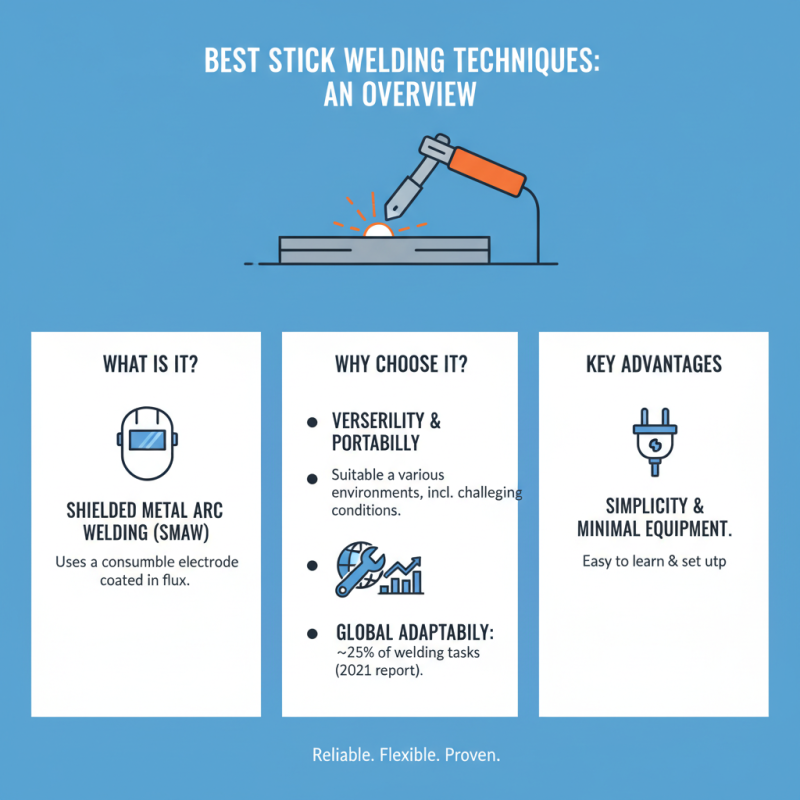
Best Stick Welding Techniques: An Overview
Stick welding, also known as shielded metal arc welding (SMAW), is a widely used technique in metal fabrication. This method offers flexibility and portability, making it suitable for various environments. A 2021 industry report indicated that approximately 25% of welding tasks globally employ stick welding due to its adaptability in challenging conditions. Many users appreciate the simplicity of this method, requiring minimal equipment.
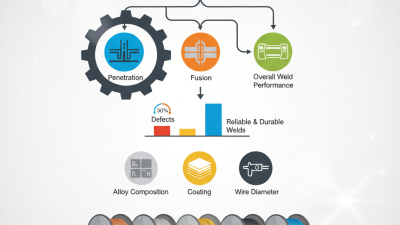
One critical aspect of stick welding is electrode selection. Choosing the correct electrode type affects the weld quality. Low-hydrogen electrodes are often recommended for their superior performance in preventing defects. Data suggests that using the right electrode can reduce the occurrence of issues such as porosity by up to 40%. Understanding the properties of different electrodes allows welders to make informed choices, enhancing their work.
Preparation plays a huge role in the success of stick welding. Clean surfaces ensure better adhesion and reduce contaminants' impact. A study found that 30% of weld failures stemmed from inadequate surface preparation. This realization prompts welders to reconsider their process, emphasizing the importance of thorough cleaning. Learning from past mistakes helps improve overall welding practices.
Understanding Different Types of Stick Welding Rods
Stick welding, also known as Shielded Metal Arc Welding (SMAW), is heavily reliant on the choice of welding rods. Each type of welding rod has a unique purpose and chemical composition, affecting the overall quality of the weld. For instance, E6010 rods are ideal for deep penetration. They are especially useful for welding in all positions. On the other hand, E7018 rods are known for their low hydrogen content and provide high strength.
Professionals note that the choice of rod should align with the materials being welded. Reports indicate that using the wrong rod can lead to defects in the weld. Therefore, understanding the differences among the available rods is crucial. Pay attention to the specification, as it reflects the rod’s performance. Some rods are designed for specific environments and materials.
Tips: To enhance your skills, keep a detailed journal of your welding experiences. Record the performance of different rods in various projects. Reflecting on what works best for you can refine your technique. Additionally, always ensure you're aware of the environment you are welding in. Certain rods perform better in humid conditions than others.
Essential Equipment and Safety Gear for Stick Welding
When diving into stick welding, having the right equipment is essential. A sturdy welding machine is the foundation of your setup. Look for one that matches your skill level and the materials you plan to work with. Auxiliary equipment like an electrode holder and grounding clamp are equally important. These tools ensure a safe and efficient welding process.
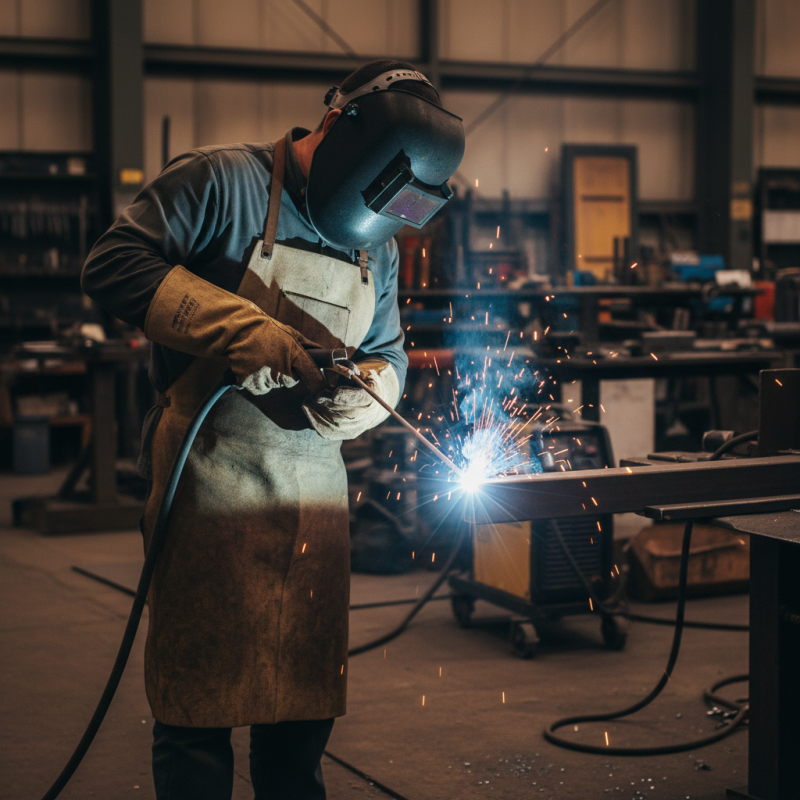
Safety gear cannot be overlooked. A quality welding helmet protects your eyes and face from harmful UV radiation. Gloves should be durable, providing protection against sparks and heat. Long sleeves and heavy-duty pants reduce the risk of burns. Remember, safety is not just a guideline; it's a necessity in welding.
While equipment and safety gear are crucial, it is vital to understand their significance in your welding practice. Many beginners overlook the importance of comfort and fit in their gear. Ill-fitting gloves or helmets can hinder your performance and increase risks. Regularly evaluating your equipment and safety gear keeps you prepared and proficient in your craft.
Best Stick Welding Techniques - Equipment and Safety Gear Usage
Step-by-Step Guide to Mastering Stick Welding Techniques
Stick welding, also known as shielded metal arc welding, is a popular technique that requires practice and focus. For beginners, understanding the equipment is key. A quality welding machine, electrodes, and protective gear are necessary. Remember, the right electrode type can make a huge difference in your work. Experiment with different types to find what suits you best.
Preparation is vital. Clean the metal surfaces thoroughly before welding. This step ensures better adhesion and reduces impurities in the weld. Set the right amperage according to the electrode specifications and material thickness. Start with a steady hand and maintain a consistent travel speed. Inconsistent movements can lead to defects.
Timing is everything. Watch the puddle closely as it forms. It's crucial to know when to move and how fast. Too slow can create large, uneven welds, while too fast may not penetrate adequately. Practice on scrap metal to hone your skills. Reflect on each weld—what went well and what could improve? Document your progress, as learning from errors is part of mastering stick welding.
Common Mistakes and Tips for Successful Stick Welding
Stick welding, or manual metal arc welding (MMAW), can be challenging for both beginners and seasoned welders. One common mistake is improper electrode angles. Holding the electrode too steeply can lead to uneven beads and excessive spatter. A flatter angle often results in better penetration and a smoother finish. Practice different angles to find what works best for you.
Another frequent error is incorrect travel speed. Moving too quickly can cause weak welds, while going too slow can burn through the material. It's vital to maintain a steady pace that matches your skill level and the thickness of the metal. Monitoring your arc length is also crucial. A shorter arc length can produce a more concentrated heat, leading to better fusion.
Lastly, don't underestimate the importance of cleanliness in your weld area. Oil, rust, or dirt can compromise the integrity of your weld. Take time to prepare your materials properly. Reflect on your past projects, and learn from them. Every weld is a new opportunity to improve and develop your personal technique. Embracing mistakes will help you grow as a welder.
Best Stick Welding Techniques for Global Buyers Guide
| Technique |
Common Mistakes |
Tips for Success |
| Stringer Beads |
Inconsistent speed can lead to uneven beads. |
Maintain a steady hand and consistent travel speed. |
| Weaving Technique |
Overlapping can cause weak joints. |
Keep a controlled rhythm to avoid excess overlap. |
| Circle Technique |
Wrong electrode angle may create a weak weld. |
Angle the electrode correctly to ensure penetration. |
| Tack Welding |
Insufficient tack welds can lead to misalignment. |
Ensure strategic placement of tack welds. |
| Backstepping |
Can cause excessive spatter if not controlled. |
Practice smooth transitions to reduce spatter. |
| Root Pass |
Poor penetration may lead to weak joints. |
Adjust heat settings for proper penetration. |