company

How to Source Esab Indonesia Products in 2026?

Sourcing Esab Indonesia products in 2026 requires more than comparing online prices. Buyers must verify product authenticity, technical specifications, local availability, and after-sales support. Indonesia’s manufacturing, construction, shipbuilding, and energy sectors continue to create demand for reliable welding equipment. Grand View Research estimates that the global welding equipment market was worth approximately USD 15.6 billion in 2023. Its forecast also indicates steady growth through 2030. That trend makes supplier selection increasingly important.

The practical starting point is an authorized Esab Indonesia distributor or an established industrial supplier. Request a formal quotation, product datasheet, warranty terms, and delivery schedule. Check whether the proposed electrode, wire, torch, or welding machine matches the intended material and process. A workshop floor tells the story: humid storage, damaged packaging, or missing batch information can signal future problems. Small details matter.

ESAB President and CEO Shyam Kambeyanda has stated, “Our customers are looking for solutions that improve productivity, quality, and safety.” This principle should guide every purchase decision. A low initial price may fail if consumables produce excessive spatter or equipment lacks service support. The mistake is common.

Reports from the International Energy Agency and Indonesia’s Ministry of Industry also underline the region’s expanding industrial and infrastructure activity. However, market forecasts are not guarantees. Exchange rates, import timing, inventory levels, and regional service capacity can change quickly. Buyers should compare at least three qualified sources, confirm documentation, and test critical products before placing large orders. In 2026, dependable sourcing will mean balancing price, performance, compliance, and practical support—not simply finding the cheapest Esab Indonesia listing.
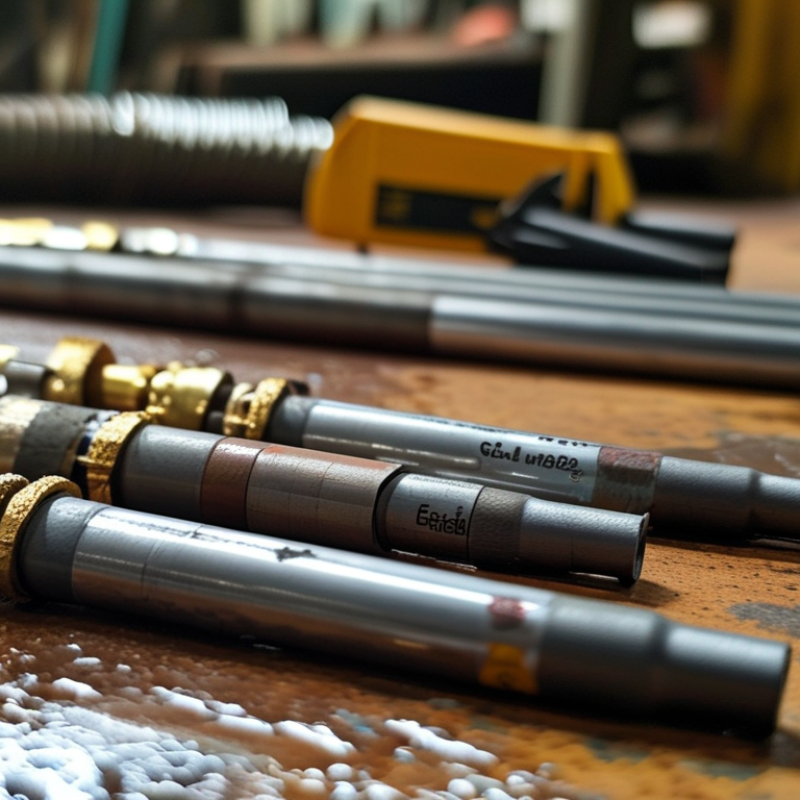
How to Source Esab Indonesia Products in 2026?

Understanding ESAB Indonesia Products and Their Industrial Uses

Industrial welding and cutting products in Indonesia serve shipyards, fabrication shops, mining contractors, construction sites, and energy projects. Their uses differ sharply. Solid wires support continuous welding on structural steel. Flux-cored wires handle outdoor work and thicker sections. Covered electrodes remain useful where power supply is unstable. Cutting equipment prepares clean edges before assembly, while welding machines control current for repeatable joints.

The World Steel Association reported about 1.88 billion tonnes of global crude steel production in 2024. That volume reflects continuing demand for dependable joining systems. Indonesia’s infrastructure and processing industries also require corrosion-resistant consumables for humid, coastal environments. Buyers should review tensile strength, shielding gas compatibility, deposition rate, and storage conditions. ISO 3834 quality principles and AWS D1.1 procedures can help evaluate fabrication control. Still, certificates alone are not enough. Field trials may reveal arc instability, poor slag removal, or inconsistent packaging.

Tips: Request batch certificates, technical data sheets, and a sample lot before ordering. Check whether Indonesian distributors hold dry storage facilities and local service support. Compare landed cost, not only unit price. A cheaper electrode can create more grinding, rework, and downtime. Keep a written welding procedure, but allow technicians to challenge it when actual site conditions differ. That practical feedback is often missed.

Identifying Authorized ESAB Suppliers and Distribution Channels

Sourcing industrial welding products in Indonesia in 2026 starts with the right distribution channel, not the lowest online price. Look for suppliers listed through the manufacturer’s official distributor locator or confirmed by its regional sales office. An authorized dealer should provide a current authorization letter, Indonesian business registration, tax invoice, and traceable product documentation. Ask where the stock is held. A real warehouse usually has labeled cartons, intake records, and staff who can explain storage conditions. Generic answers deserve caution.

Compare at least two authorized suppliers in Jakarta, Surabaya, or your project’s nearest industrial area. Request a written quotation showing the model, specifications, warranty terms, delivery schedule, and after-sales contact. For imported equipment, ask about customs documentation and local technical support. Established distributors may offer demonstrations, commissioning, spare parts, and operator training. These services often matter more than a small price difference. Marketplace listings can help identify market prices, but they should not replace authorization checks.

Before payment, match the serial number, packaging details, and invoice information. Confirm that the warranty applies in Indonesia. Keep photographs of the inspection. It sounds basic, yet these records prevent confusion later. I would not rely on a polished website alone. Distributor pages can be outdated, and specifications are sometimes copied incorrectly. A phone call to the manufacturer’s regional contact is slower, but it provides stronger evidence.

Comparing Product Specifications, Availability, and Total Costs

Sourcing Indonesian industrial welding products in 2026 requires more than comparing catalog prices. Buyers should record output current, duty cycle, input voltage, wire diameter, protection rating, and compatible consumables. A machine rated at 300 amps may perform poorly if its duty cycle is low. Check whether the specification applies at 40°C, not only in a cool showroom. Site conditions matter.

Availability also changes the total cost. The World Bank’s Logistics Performance Index 2023 scored Indonesia at 3.0 out of 5 and ranked it 61st among 139 economies. This suggests buyers should verify inventory, port routing, and inland delivery times before ordering. Request current warehouse photos, batch numbers, warranty terms, and spare-part lead times. Calculate product price, freight, insurance, taxes, customs handling, local transport, installation, and possible downtime. A cheaper unit can become expensive after one delayed control board.

Tips: Test a sample weld before bulk purchasing. Ask for measured output, not only advertised output. Amperage alone misleads. I once overlooked duty cycle and underestimated cooling needs. That was avoidable. Compare at least three written quotations, then confirm service response within your operating region. Keep every assumption in the purchase file, because availability estimates are often imperfect.

Checking Supplier Credentials, Warranties, and After-Sales Support

When sourcing industrial welding products from Indonesia in 2026, supplier credentials deserve careful attention. Request the company’s legal registration, operating address, tax details, and export experience. A professional supplier should provide documents without hesitation. Check whether the listed warehouse actually exists. Video calls help, but an independent inspection is stronger evidence.

Ask for recent customer references, product certificates, and clear technical specifications. Match serial numbers on product photographs with packing lists and invoices. Small inconsistencies can signal weak internal controls. I have seen attractive quotations fail because the supplier could not explain component origins. Price matters, but traceability matters more.

Warranty terms should state coverage, exclusions, claim procedures, and response times. Confirm who pays shipping for defective parts and how long replacements usually take. After-sales support must include manuals, troubleshooting guidance, spare-part availability, and technician access. Test the support channel before ordering by sending practical questions. A fast, detailed reply is meaningful. A generic message is not.

Do not rely only on promises. Request a written service-level agreement with contact names and escalation steps. Payment milestones can link to inspection results and delivery documents. Even experienced buyers make mistakes, especially when schedules become urgent. I once approved a supplier too quickly and overlooked limited local support. The equipment arrived on time, but downtime lasted longer than expected. A second review would have exposed that weakness.

Completing the Order, Import, and Delivery Process in 2026

In 2026, sourcing industrial welding equipment from Indonesia requires a documented order path. Confirm the exact model, technical specification, quantity, warranty terms, and spare parts before payment. Request a pro forma invoice showing product value, freight, insurance, and agreed Incoterms. Use a verified supplier and inspect production samples when practical.

The World Bank’s 2023 Logistics Performance Index collected 4,090 assessments across 139 economies. It highlights reliability, customs, and shipment tracking as essential supply-chain factors. Select a forwarder that can provide milestone updates from factory pickup to final delivery. Prepare the commercial invoice, packing list, certificate of origin, import permits, and correct HS classification. Errors here can delay clearance.

Delays happen. Plan for them.

UNCTAD’s Review of Maritime Transport 2024 reported 2.4% maritime trade growth in 2023, while disruptions continued to affect schedules and freight capacity. For 2026 orders, compare sea and air freight using total landed cost, not only the quoted shipping rate. Check cargo insurance, port handling charges, customs brokerage, and inland delivery separately. Confirm whether duties and taxes are paid by the buyer or seller. A pre-shipment inspection can verify packaging, serial numbers, and visible damage, although it cannot replace functional testing. My own checklist would still need review after every shipment; local customs practice and carrier conditions can change unexpectedly.

How to Source Industrial Products in Indonesia in 2026? – Order, Import, and Delivery Process

Stage Key Activity Required Data or Documents Typical 2026 Timeline Cost or Compliance Note Completion Checkpoint
1. Product Definition Confirm specification, quantity, technical standard, packaging, and destination port. Product description, model or configuration, material, dimensions, net weight, gross weight, and intended use. 1–3 business days Accurate specifications reduce classification, quotation, and customs delays. A signed technical specification sheet is available.
2. Supplier Qualification Evaluate production capability, export experience, quality controls, and after-sales support. Business registration details, factory profile, quality certificates, references, and inspection records. 3–7 business days Independent verification or a pre-shipment inspection may add approximately USD 150–500, depending on scope. Supplier documents and inspection requirements are approved.
3. Quotation and Incoterms Compare quotations using the same delivery term, currency, quantity basis, and validity period. Pro forma invoice, Incoterm, payment schedule, delivery location, warranty, and validity date. 2–5 business days For a first transaction, milestone payments are generally safer than a full advance payment. The quotation clearly states who pays freight, insurance, duties, and local charges.
4. HS Classification Identify the correct Indonesian tariff classification before shipment. Technical description, composition, function, catalogue page, and proposed HS code. 2–7 business days Duty rates and import restrictions vary by HS code; confirm the current tariff through Indonesia’s customs tariff system or a licensed customs broker. The importer and broker agree on the classification before booking cargo.
5. Importer Readiness Check whether the Indonesian buyer is legally prepared to import commercial goods. Business Identification Number (NIB), tax registration, relevant business activity, customs access, and importer authorization where applicable. 3–10 business days if registration updates are required Certain product categories may require additional approvals, technical standards, or sector-specific permits. Importer status and product-specific permits are confirmed in the national trade and customs systems.
6. Purchase Order Issue a purchase order with an unambiguous scope of supply. Purchase order, approved quotation, drawings, packaging instructions, delivery address, and inspection criteria. 1–2 business days Include tolerance, spare parts, certificates, replacement terms, and remedies for non-conforming goods. Supplier returns a signed order confirmation.
7. Production and Quality Control Monitor production and verify quantity, dimensions, function, labeling, and packaging. Inspection plan, test report, packing list draft, photographs, and certificate requirements. 1–6 weeks, depending on stock and customization Hold final payment until agreed inspection documents and corrective actions are completed. Inspection report matches the purchase order and approved sample.
8. Export Documentation Prepare documents required for export clearance and Indonesian import clearance. Commercial invoice, packing list, transport document, certificate of origin when applicable, insurance document, and permits. 2–5 business days Invoice values, quantities, weights, and descriptions must be consistent across all documents. Document set is checked by the freight forwarder and customs broker.
9. Freight Booking Select sea or air freight according to urgency, shipment size, and total landed cost. Cargo dimensions, weight, pickup address, destination port or airport, dangerous-goods status, and preferred sailing date. 2–7 business days for booking Typical international transit is about 5–14 days by air and 15–45 days by sea, excluding customs and inland delivery. Booking confirmation, container or airway-bill details, and cargo insurance are received.
10. Indonesian Customs Clearance Submit the import declaration and settle assessed customs charges. Import declaration, invoice, packing list, transport document, permits, insurance details, and customs value data. 1–5 business days for straightforward shipments Import duty, import taxes, VAT, broker fees, storage, and port charges depend on classification, value, shipment type, and inspection status. Customs release is issued and all assessed charges are paid.
11. Port or Airport Handling Arrange terminal release, unloading, storage control, and cargo pickup. Delivery order, release notice, customs release, payment receipts, and truck appointment. 1–4 business days after release Free-time limits differ by carrier and terminal; late pickup can create demurrage, detention, or storage fees. Cargo is physically released without outstanding terminal charges.
12. Inland Delivery Transport the shipment to the warehouse, project site, or distribution center. Delivery order, site access information, unloading plan, contact person, and proof-of-delivery form. 1–7 business days, depending on distance and traffic Oversized or heavy cargo may require route approval, special equipment, escort, or scheduled delivery windows. Goods arrive with quantity and visible condition recorded.
13. Final Acceptance Inspect the delivered goods and close the order or initiate a claim. Receiving report, photographs, test results, warranty documents, invoice reconciliation, and non-conformance report if required. 1–5 business days after delivery Keep customs, freight, inspection, and delivery records for the period required by Indonesian tax and customs rules. Final acceptance is signed and the landed-cost file is complete.
Planning note: Timeline and landed-cost figures are indicative planning ranges. Confirm the applicable HS classification, import restrictions, tax treatment, permits, port charges, and 2026 regulatory requirements with Indonesian Customs, the relevant trade authority, and a licensed customs broker before placing an order.