10 Essential Tips for Understanding the Purpose of Welding Rods
Welding rods are integral to the welding process. Understanding their purpose is crucial for achieving high-quality welds. According to a recent industry report, over 70% of welding defects can be traced back to improper rod selection. This highlights the importance of understanding the welding rod purpose.
The right welding rod can enhance joint strength and durability. Different rods serve specific applications, from mild steel to stainless steel. Data shows that using the wrong rod can weaken the weld, leading to costly repairs. Welders should familiarize themselves with rod classifications to optimize their results.
Despite advancements in technology, many welders still face challenges. Incomplete knowledge of welding rod purpose can limit effectiveness. Continuous training and experience are essential for mastering this craft. A welder's ability to select the proper rod directly impacts workload efficiency and safety. Thus, grasping the fundamentals of welding rods is not just helpful; it's necessary.
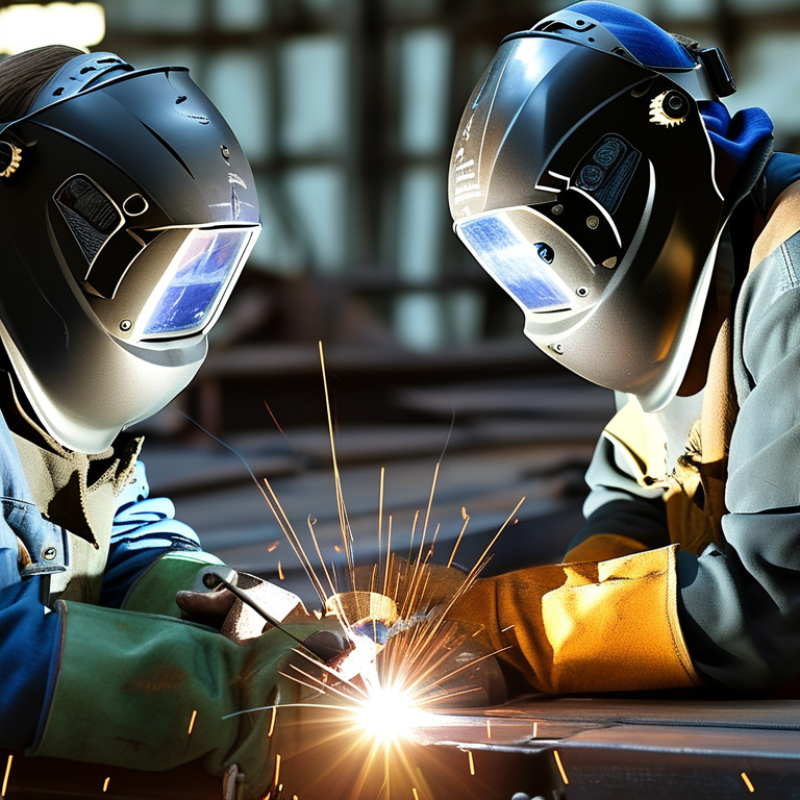
Understanding the Basics of Welding Rods and Their Functionality
Welding rods play a crucial role in the welding process. They are designed to provide a filler material that melts and bonds two metal pieces together. According to the American Welding Society, nearly 70% of welders rely on the correct choice of welding rods for quality work. Understanding their functionality is essential for anyone involved in welding.
Different types of welding rods suit various applications. For example, E7018 rods are known for their low hydrogen content and are ideal for structural welding. In contrast, E6011 rods work well in dirty or rusty conditions but may require more skill. A National Institute for Occupational Safety and Health report highlights that improper use of welding rods can lead to defects like undercutting and insufficient penetration. These issues can compromise the integrity of the weld.
Selecting the right welding rod isn't just about material. Factors like the thickness of the base metal and the environmental conditions also matter. Welders need to consider these elements to avoid mistakes. A diverse skill set and an understanding of rods' properties can lead to better outcomes. Ongoing education and practice are necessary to master the intricacies of welding rods and their effects on different projects.
The Different Types of Welding Rods and Their Specific Uses
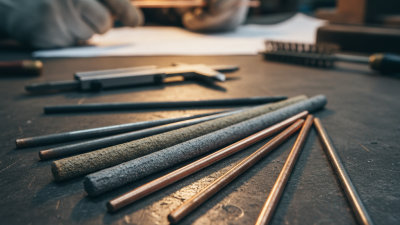
Welding rods serve as essential tools for various types of welding processes. Understanding the types of welding rods is crucial for achieving optimal results. Some common types include stick electrodes, flux-cored wires, and TIG rods. Each rod type has its unique properties, making them suitable for specific applications.
Stick electrodes are versatile. They work well for many materials, including steel and iron. The flux coating helps protect the weld area from oxidation. On the other hand, flux-cored wires are ideal for outdoor welding. They provide better penetration and can be used in windy conditions. TIG rods, however, offer precision. They are perfect for detailed work and thinner materials.
Choosing the right welding rod can be challenging. Welders must consider the base material and the desired joint strength. Often, beginners may overlook these details. This can lead to weak welds or defects. Reflecting on each project’s needs ensures better outcomes. Learning from mistakes is part of the process and can significantly enhance skills over time.
How Welding Rod Composition Affects the Welding Process
Welding rods play a crucial role in determining the quality of a weld. Their composition can dramatically affect strength, ductility, and overall performance. For instance, according to a report from the American Welding Society, rods with a higher iron content typically provide better fusion in heavy-duty applications. This specific composition can influence how well the welds hold up under stress.
Different alloys create varying characteristics in the weld. Stainless steel rods, for example, contain nickel and chromium, which enhance corrosion resistance. Reports from metallurgical studies suggest that these elements improve durability, especially in harsh environments. On the contrary, rods with lower alloy content can be advantageous for quick repairs, despite their susceptibility to corrosion.
Choosing the right welding rod requires understanding these materials. It's not always straightforward. Adjusting the welding parameters can also lead to unexpected results. An overly high heat setting might cause rod degradation, leading to weak weld joints. Therefore, continuous experimentation and testing are essential for achieving optimal welding results. Understanding these nuances informs better practices for any skilled welder.
Selecting the Right Welding Rod for Your Project Needs
Selecting the right welding rod is crucial for project success. Different rods serve unique purposes. For example, E7018 rods are known for their excellent mechanical properties. They are ideal for structural welding, such as building frames. In contrast, E6013 rods provide versatility and ease of use, making them suitable for light fabrication.
Industry reports suggest that improper rod selection can lead to significant issues, such as joint failure and increased rework costs. It’s estimated that up to 30% of project costs can be attributed to mistakes in rod choice. Understanding the application and properties of each rod type allows for better results. Always consider factors like material thickness and environmental conditions when choosing a rod.
Additionally, keep in mind that practice and experience play critical roles. Even experienced welders can face challenges when adapting to new materials or techniques. The welding landscape is diverse, and one must remain adaptable. Continue to learn about advancements in welding technology. Knowledge is key to improving performance and outcomes in every project.
Tips for Proper Handling and Storage of Welding Rods
Proper handling and storage of welding rods is crucial. These materials can absorb moisture from the air, leading to defects in welds. According to the American Welding Society (AWS), moisture can cause hydrogen-induced cracking. This underscores the importance of maintaining a dry storage environment.
Welding rods should be kept in their original packaging until use. Store them in a climate-controlled area to prevent exposure to humidity. Using a desiccant can further reduce moisture levels. For long-term storage, consider using vacuum-sealed bags. This method could effectively keep rods dry for months, ensuring their performance during welding.
Regularly inspect welding rods for signs of corrosion or damage. Inconsistent welding quality can often trace back to improperly stored materials. Storing rods vertically, in a dedicated rack, can prevent bending or breaking. Attention to detail in handling and storage is vital for maintaining rod integrity. These practices not only prolong the life of the rods but also improve weld quality.
Understanding the Purpose of Welding Rods
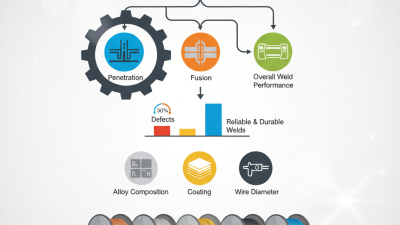
This chart illustrates various types of welding rods and their common applications, which are essential for proper handling and storage of welding materials.