What is Core Welding Wire and How to Choose the Best?
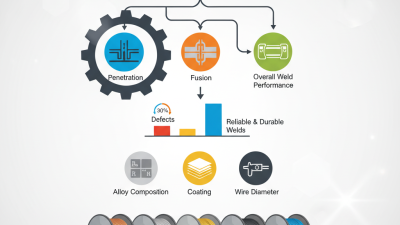
Core Welding Wire is an essential material in the welding industry. Choosing the right type can significantly affect the quality of welds. According to a report by the American Welding Society, proper selection can enhance weld integrity by up to 30%. Core welding wire provides excellent performance in various applications. It is designed to improve productivity and is available in different formulations for specific needs.
The effectiveness of core welding wire is evident in automated welding processes. A study published in the Journal of Materials Processing Technology shows that using high-quality wire reduces defects by 15% to 20%. However, many welders struggle with the selection process. It can be daunting due to the wide range of options available. Misjudgments in choosing the right wire can lead to costly rework and project delays.
Experts recommend considering factors such as the type of metals being welded and the operational environment. While there are benchmarks for selecting core welding wire, subjective choices remain prevalent. A thorough understanding of material properties and application requirements is crucial. This ensures the best results in welding projects.

What is Core Welding Wire?
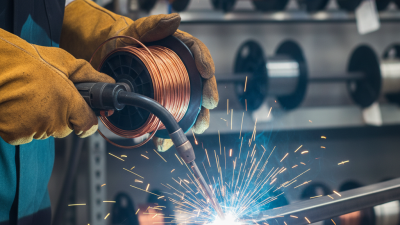
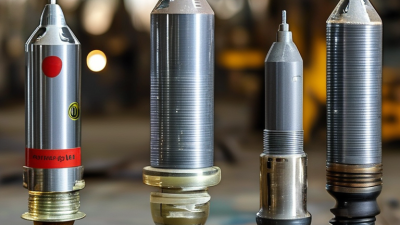
Core welding wire is a specialized type of welding filler material. It consists of a metal sheath filled with flux. This design allows for a smooth and efficient welding process. The flux helps to stabilize the arc and protect the weld pool. As a result, core welding wire produces high-quality welds.
Choosing the right core welding wire can seem daunting. Different applications require different types. For example, some wires are better suited for thick metal, while others work well with thin materials. It’s essential to match the wire with your specific project needs. Consider factors such as metal type and thickness.
Tips: Always check your welder's specifications. Selecting the wrong wire can lead to ineffective welding. Additionally, keep your workspace clean. A clutter-free environment enhances focus and reduces mistakes. Remember, practice makes perfect. Experiment with different wires to find the best fit for you.
Types of Core Welding Wires and Their Applications
Core welding wires are essential in various welding processes, serving different applications based on their composition and design. The most common types include gas-shielded and flux-cored wires. Gas-shielded wires are ideal for thin materials, offering smooth and clean welds. They are widely utilized in automotive and manufacturing industries. On the other hand, flux-cored wires provide better penetration and are suited for thicker materials and outdoor projects. Their versatility makes them popular in construction and shipbuilding.
Recent industry reports indicate that welding wire usage is expected to grow by over 5% annually. This rise is driven by advancements in welding technology and increased demand for durable materials. When choosing the right core welding wire, factors such as welding position, joint configuration, and material type should be closely evaluated. A mismatch can lead to undercutting or poor arc stability, which could compromise weld quality.
Selecting the best welding wire is not just about performance; it's also about cost-effectiveness. Balancing quality and price is crucial, as inefficient choices can lead to increased waste. Choosing a core welding wire requires both knowledge and experience to ensure optimal results in specific applications.
Key Factors to Consider When Choosing Core Welding Wire
When selecting core welding wire, several key factors warrant careful consideration. The type of core material significantly impacts the welding performance. According to industry reports, over 70% of welding failures stem from improper wire selection. A wire with the right metallurgy improves arc stability and reduces spatter. For example, wires with a higher manganese content offer better fluidity.
Welders must also assess wire diameter and alloy compatibility. A 0.035-inch diameter wire is often ideal for thin materials, while a thicker wire works better for heavy sections. Reports indicate that using the wrong diameter can lead to inconsistent bead appearance. The choice of alloy affects strength and corrosion resistance. The American Welding Society emphasizes the need to match wire alloy with base materials to ensure integrity.
Cost is another factor not to overlook. While cheaper options may seem attractive, they often compromise quality. Industry studies show that using high-quality wire can reduce rework costs by up to 40%. Thus, investing in reliable core welding wire is crucial for long-term success and performance.
Comparing Different Brands of Core Welding Wire
Choosing the right core welding wire is essential for achieving optimal results. Various brands offer distinct features that cater to different welding applications. For instance, studies show that quality core wires can improve welding speed by up to 50%. This statistic highlights the importance of making an informed choice when selecting a brand.
When comparing brands, consider factors such as wire diameter, composition, and intended application. A report by the American Welding Society noted that the composition of core wires can significantly impact the mechanical properties of the weld. Those seeking performance should prioritize brands that use high-quality flux materials.
However, not all brands stand out in every category. Some may excel in ease of use but lack in durability. Others might be reliable but can be cost-prohibitive. It's vital to weigh both performance and budget constraints when choosing a core welding wire. Ensuring a balance allows for better decision-making in a competitive market.
What is Core Welding Wire and How to Choose the Best? - Comparing Different Brands of Core Welding Wire
| Wire Type |
Diameter (inches) |
Material |
Suitable Applications |
Feedback Rating |
| Metal-Cored |
0.035 |
Steel |
Structural Welds |
4.5/5 |
| Flux-Cored |
0.030 |
Stainless Steel |
Pipe Welding |
4.0/5 |
| Solid Wire |
0.045 |
Carbon Steel |
General Fabrication |
4.7/5 |
| Dual Shield |
0.035 |
Mild Steel |
Outdoor Welding |
4.6/5 |
| Metal-Cored |
0.062 |
Alloy Steel |
Heavy Machinery |
4.8/5 |
Tips for Proper Storage and Handling of Core Welding Wire
Core welding wire is crucial in many manufacturing processes, especially in construction and metal fabrication. Proper storage and handling ensure its effectiveness and longevity. Welding wire contains moisture-sensitive components, which may degrade its quality. Therefore, it’s essential to keep it in a controlled environment.
Store core welding wire in a dry, cool place. An ideal range is between 50°F and 90°F. Avoiding humidity can prevent corrosion and rust. Using airtight containers can add another layer of protection. According to the American Welding Society, improper storage can lead to a 25% decrease in performance.
When handling the wire, wear appropriate gloves and protective gear. It minimizes the risk of contamination. Always inspect the wire for any signs of damage or rust before use. Consider the weight and length when lifting or moving to prevent repetitive strain injuries. Taking these precautions may seem tedious but ensures safety and quality in every welding project.