What is Fcaw In Welding and How Does It Benefit You?
The world of welding has evolved significantly, with new techniques enhancing efficiency and quality. One such method is FCAW, or Flux-Cored Arc Welding. This innovative process combines the advantages of arc welding with the flux used in traditional systems. FCAW in welding has gained traction in various industries, particularly in construction and manufacturing.
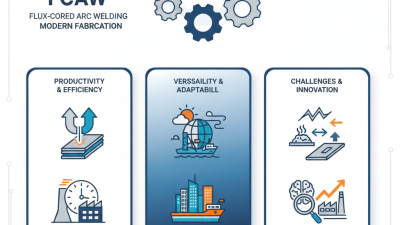
According to the American Welding Society, approximately 30% of all welding processes used in industry involve FCAW. This statistic underscores its relevance. FCAW offers high productivity and can effectively weld thick materials. Reports suggest up to 30% increased travel speed compared to conventional welding methods, which translates to cost savings.
Despite these benefits, challenges remain. Mastering FCAW requires skill and proper setup. Inconsistent results can occur without adequate training. Hence, while FCAW in welding presents numerous advantages, understanding its complexities is vital for achieving optimal outcomes.
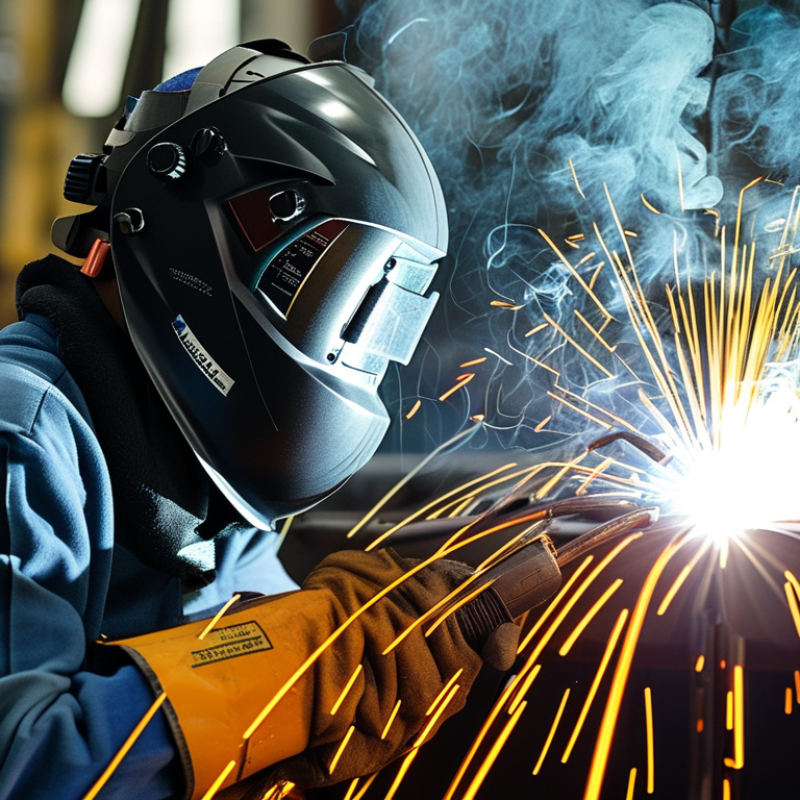
What is FCAW: A Comprehensive Overview of Flux-Cored Arc Welding
FCAW, or Flux-Cored Arc Welding, is a versatile welding process that offers several advantages. This method uses a tubular wire filled with flux to create a protective gas shield during the welding process. It is commonly used in construction and fabrication industries because of its efficiency and effectiveness on thicker materials. The welding can be performed in various positions, making it adaptable to different job sites.
Welders appreciate FCAW for its speed. It often allows for faster travel speeds than traditional MIG welding. Additionally, the slag produced can assist in covering any imperfections in the weld. However, some may find it challenging to control the heat input and may require practice to master. Proper technique is essential. A consistent arc length and travel speed improve results significantly.
When using FCAW, consider your work environment. Wind can disrupt the shielding gas, leading to defects. Always wear appropriate safety gear, as the process generates sparks and fumes. Practice on scrap materials to refine your skills before tackling crucial projects. With time and experience, you can harness the full potential of FCAW while avoiding common pitfalls.
The Principles of Flux-Cored Arc Welding Mechanism
Flux-Cored Arc Welding (FCAW) is a specialized welding process widely recognized for its versatility. This technique employs a tubular electrode filled with flux, allowing for an efficient and effective welding mechanism. The flux generates a shielding gas during the welding process. This protects the molten weld pool from atmospheric contamination, improving both the quality and strength of the weld. According to the American Welding Society, FCAW can increase productivity by up to 30% compared to traditional methods.
Understanding the principles behind FCAW helps in maximizing its benefits. The process can be applied in various positions, making it adaptable for different projects. This flexibility is crucial in industries like construction and shipbuilding, where the welding environment can be challenging. Furthermore, FCAW operates effectively at higher speeds, which can significantly reduce labor costs over time. However, this process may generate more smoke and spatter compared to other welding methods. An awareness of these factors is essential for successful application.
The mechanics of FCAW also influence the choice of filler materials. Different electrode diameters and shielding gases can alter the weld characteristics. A study published by the Welding Research Council highlighted that using solid wires can improve penetration but produce less slag than flux-cored wires. This reflects the ongoing need to evaluate and adjust welding techniques based on the specific project requirements and desired outcomes. Proper training and experience are necessary to navigate these considerations effectively.
What is Fcaw In Welding and How Does It Benefit You?
| Welding Aspect |
Description |
Benefits |
| Process Type |
Flux-Cored Arc Welding (FCAW) utilizes a continuously fed tubular electrode filled with flux. |
Allows for high deposition rates and improved weld quality. |
| Applications |
Suitable for welding thick materials and outdoor environments. |
Versatile and effective in various industrial applications. |
| Welding Positions |
Can be performed in all positions: flat, horizontal, vertical, and overhead. |
Increased flexibility for a range of projects. |
| Heat Input |
Controlled heat input minimizes distortion and enhances metallurgical properties. |
Results in stronger and more durable welds. |
| Cost-Effectiveness |
Utilizes less gas than MIG welding, reducing operational costs. |
Saves money while providing high-quality welds. |
Advantages of Using FCAW in Industrial Applications
FCAW, or Flux-Cored Arc Welding, has gained popularity in the industrial sector for many reasons. One significant advantage is its speed. Welders can produce high-quality welds rapidly, which increases productivity. This technique is ideal for thick materials, making it suitable for heavy fabrication. The ability to use it outdoors is another benefit. FCAW is less affected by wind and other environmental factors compared to other welding methods.
Moreover, FCAW produces minimal spatter, resulting in cleaner welds. This can lead to reduced post-weld cleaning time, further enhancing the efficiency of the process. Operators appreciate the versatility of FCAW, as it can use various wire types and gases. This flexibility allows welders to tailor their approach based on specific project requirements.
However, FCAW is not without challenges. It may require more training for operators to master the technique. The equipment can also be more expensive, which might deter some companies. Understanding these nuances helps businesses weigh the benefits against potential drawbacks. Embracing this method often leads to improved efficiency and quality when approached thoughtfully.
Key Differences Between FCAW and Other Welding Techniques
FCAW, or Flux-Cored Arc Welding, stands out as a versatile welding method. Unlike MIG or TIG welding, FCAW uses a tubular wire filled with flux. This inner flux serves multiple purposes, like shielding the weld from impurities and providing alloying materials. Such advantages can lead to a higher deposition rate than both MIG and TIG methods. The ability to weld in various positions further adds to FCAW's appeal.
One notable difference is the welding environment. FCAW can be practiced outdoors and in windy conditions, where MIG may struggle. This flexibility means projects can often proceed without delays caused by weather. Additionally, FCAW allows for thicker materials, making it suitable for heavy-duty applications. However, it can produce more smoke and fumes, which may require careful ventilation. While the weld quality is usually high, it can vary based on operator skill.
Another distinction lies in the speed of the process. FCAW often provides quicker results than traditional welding methods. However, this haste can lead to issues if not monitored closely. Over-reliance on speed may cause defects that require rework. Ultimately, understanding the nuances of FCAW in comparison to other techniques can help you make better choices for your welding projects.
Safety Considerations When Implementing FCAW Practices
FCAW (Flux-Cored Arc Welding) is known for its efficiency but carries inherent safety risks. When implementing FCAW practices, understanding the safety considerations is crucial. Proper ventilation is essential to reduce harmful fume exposure. This protects welders from respiratory issues and long-term health complications. Regular checks of equipment can help ensure safe operation.
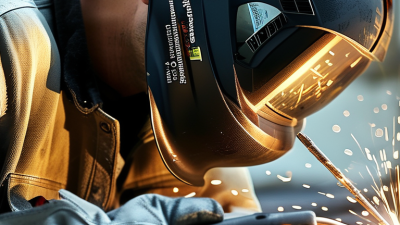
Personal protective equipment (PPE) is vital in FCAW. Welders should wear helmets, gloves, and appropriate clothing to prevent burns and exposure. Regularly inspect PPE for wear and tear. Even the best equipment can fail if not properly maintained. Remember, gloves should fit well, providing both protection and dexterity.
Stay alert to your surroundings. Create a safe working area, free from flammable materials. Inform coworkers about potential hazards. It’s crucial to communicate openly, especially in busy environments. Practicing safety measures consistently may feel tedious, but it’s necessary for a secure workspace. Reflecting on past experiences can also enhance safety protocols and prevent mishaps.