Why Is FCAW In Welding Important For Modern Fabrication?
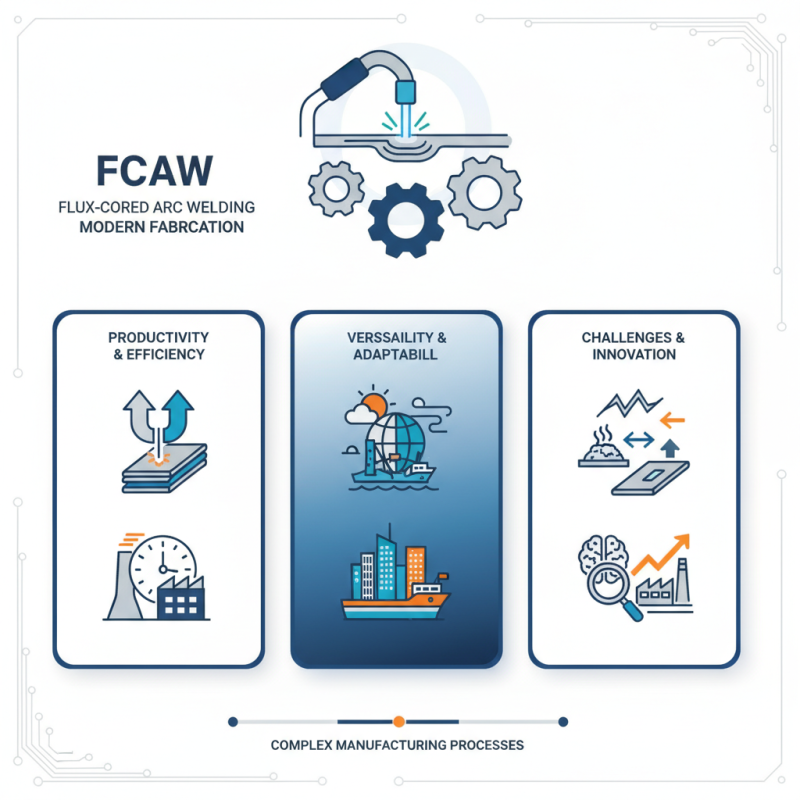
In the realm of modern fabrication, FCAW in welding stands out as a critical technique. This method combines productivity with efficiency, making it essential in various industries. It empowers welders with the ability to work on thick materials, while delivering high-quality joins.
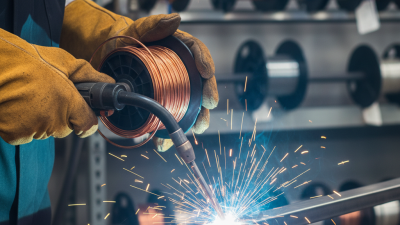
FCAW, or Flux-Cored Arc Welding, enhances the fabrication process through its versatility. It can be used indoors and outdoors, even in windy conditions. This flexibility allows for diverse applications, from structural steelwork to shipbuilding. However, mastering this technique requires practice and skill.
Welders must understand its nuances, which can sometimes lead to imperfections. Such challenges may include issues with slag and penetration. Despite these hurdles, FCAW in welding remains a vital tool, reflecting both innovation and the need for constant improvement in the fabrication industry. Its importance cannot be overlooked as we advance towards more complex manufacturing processes.
Importance of FCAW in Enhancing Welding Efficiency and Productivity
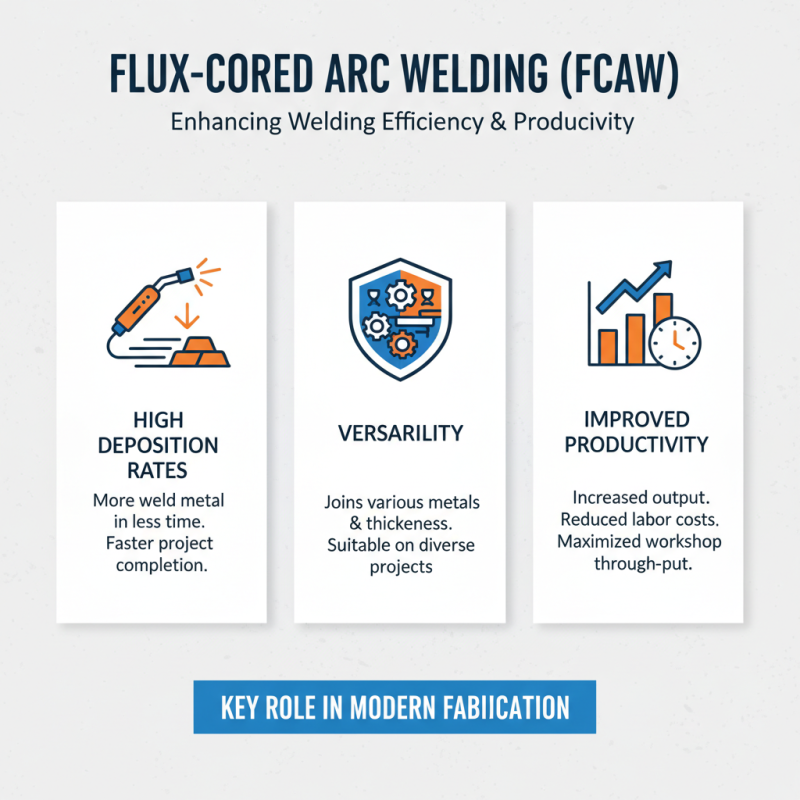
Flux-Cored Arc Welding (FCAW) plays a crucial role in modern fabrication. Its efficiency helps enhance welding productivity significantly. Using FCAW, welders can easily tackle various projects. The process allows for high deposition rates. This means more welds completed in less time.
FCAW thrives in different environments. It can be used both indoors and outdoors. This versatility is essential for many fabricators. It's not always perfect, though. Welders must ensure proper settings and maintenance to avoid defects.
Tips: Always start with a clean base material. This helps prevent contamination during the weld. Adjust your welder settings carefully. Each material may require different settings to achieve the best results. Regular training on FCAW techniques is beneficial. This keeps welders updated on best practices and advancements. The goal is to maximize efficiency while minimizing errors.
Comparison of FCAW with Other Welding Techniques in Fabrication
FCAW, or Flux-Cored Arc Welding, is a pivotal technique in modern fabrication. This method excels in high-speed production settings. Its efficiency often surpasses that of traditional MIG welding. It offers deep penetration and strong welds, making it ideal for thick materials. However, FCAW requires an understanding of its limitations. Operators must manage spatter and ensure adequate shielding.
When comparing FCAW to TIG welding, noteworthy differences arise. TIG provides cleaner, more precise welds but at a slower pace. It is best for thin materials and delicate projects. In contrast, FCAW thrives in heavy-duty applications. The choice often hinges on the project’s needs. Cost considerations also play a crucial role; FCAW setups typically require less investment than TIG.
Consideration for safety is essential. While FCAW can be more effective, it generates more fumes. Proper ventilation measures are a must. It's important to maintain equipment frequently to ensure optimal performance. Many fabricators still question if FCAW can match the artistry of TIG welding. This ongoing debate drives innovation in techniques.
Key Industries Benefiting from FCAW: Automotive, Construction, and Shipbuilding
Flux-Cored Arc Welding (FCAW) plays a vital role in modern fabrication. Key industries like automotive, construction, and shipbuilding benefit greatly from this welding process. FCAW is particularly favored for its speed and efficiency in diverse environments. It allows for both outdoor and indoor applications, making it versatile.
In the automotive industry, FCAW is crucial in creating strong joints. These joints ensure vehicles are safe and durable. The ability to weld in less-than-ideal conditions also enhances productivity. However, not every joint can be executed perfectly. Attention to detail can make a significant difference, but mistakes can occur if precautions are not taken.
The construction sector relies heavily on FCAW for structural elements. Large steel beams and frameworks demand reliable welding. The speed of FCAW allows for quick assembly, helping projects stay on schedule. Yet, fabricators should not overlook quality checks. Regular inspections are necessary to avoid failures in critical structures.
Shipbuilding also benefits from FCAW. Vessels often face harsh environments, making strong welds essential. FCAW provides the durability required to withstand marine conditions. However, operators need to maintain their equipment properly. Neglecting tools can lead to subpar results. Prioritizing maintenance can improve welding outcomes significantly.
FCAW's Role in Meeting Regulatory Standards and Quality Assurance
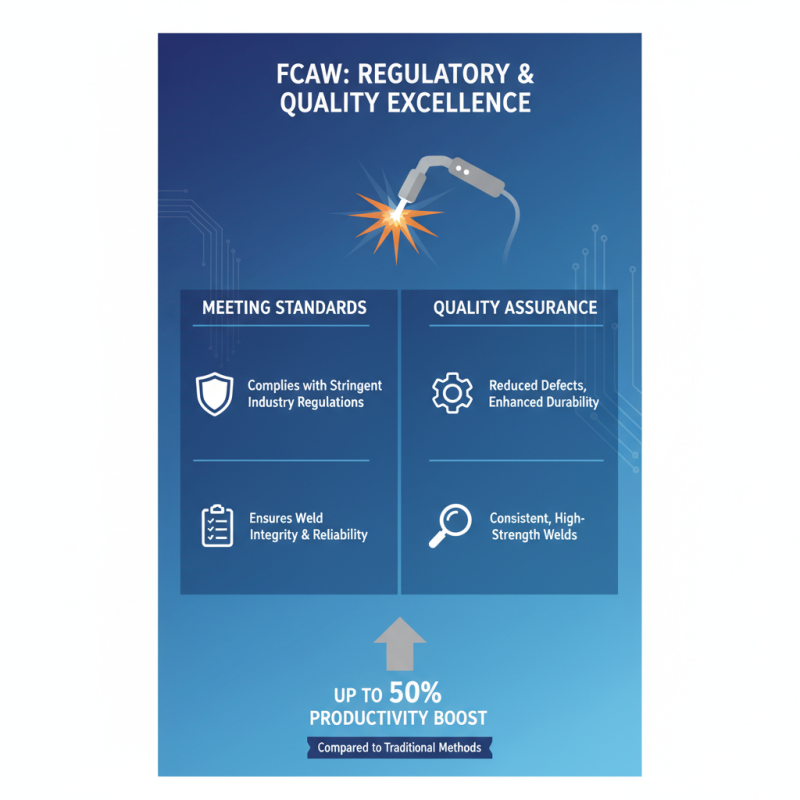
FCAW, or Flux-Cored Arc Welding, is pivotal in modern fabrication. It offers exceptional benefits, particularly in meeting regulatory standards and quality assurance. According to industry studies, FCAW can improve productivity by up to 50% when compared to traditional welding methods. This increased efficiency helps manufacturers stay competitive while adhering to stringent industry regulations.
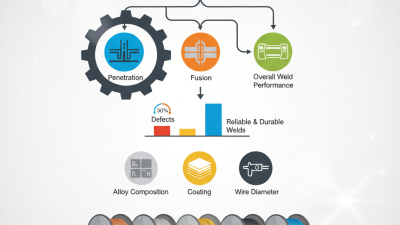
Meeting regulatory standards is essential for any fabrication process. FCAW excels here due to its ability to produce high-quality welds in various positions. Reports indicate that FCAW reduces defects by around 30%, resulting in fewer reworks and less waste. This is especially important in industries like construction and automotive, where quality assurance is integral to ensuring safety and reliability.
Tip: Proper training in FCAW techniques is crucial. Ensuring welders understand how to optimize settings can lead to better results. Regular inspections of welds can catch defects early, preventing costly mistakes. Emphasizing quality in the production process not only improves compliance but also builds customer trust.
Future Trends: Innovations in FCAW Technology and Sustainability Practices
The future of Flux-Cored Arc Welding (FCAW) is marked by innovations designed to enhance efficiency and sustainability. Recent studies indicate that over 30% of manufacturers are now adopting FCAW due to its versatility. This technique allows for high deposition rates and works well in various positions. As industries strive for faster production times, FCAW stands out for its speed without compromising quality.
Sustainability practices in FCAW are evolving. A report by the American Welding Society highlights that 40% of welding professionals are incorporating eco-friendly materials. Focus is shifting to reduce the carbon footprint of welding processes. New filler materials are being developed, which produce fewer emissions and are easier to recycle. The industry recognizes the need for responsible practices. Yet, challenges remain in balancing performance and environmental impact.
As FCAW technology advances, attention to worker safety is imperative. Enhanced training programs are being developed to address the intricacies of modern welding processes. Data shows that training reduces accidents by up to 25%. However, integrating new technologies requires continual assessment of training effectiveness. Innovation should not compromise safety, and ongoing reflection in these areas is crucial for the industry's growth.
Importance of FCAW in Modern Fabrication