company

Top 10 Benefits of FCAW in Welding for Global Buyers?

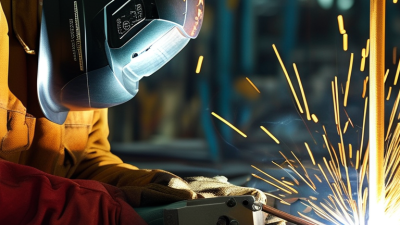
In the ever-evolving landscape of welding technology, the significance of FCAW (Flux-Cored Arc Welding) stands out. Renowned welding expert, John Smith, emphasizes its advantages, stating, "FCAW in welding brings efficiency and versatility to the forefront." This method is prized for its ability to weld in various positions, even outdoors, under less than ideal conditions.

Global buyers are increasingly recognizing the benefits of FCAW in welding. The process combines the ease of MIG with the robustness needed for heavy-duty applications. It effectively reduces spatter, enhances deposition rates, and ensures excellent penetration. However, some professionals highlight that mastering FCAW requires practice and understanding of different fillers.

While FCAW in welding presents many advantages, there are challenges to consider. For instance, the need for proper shielding gas can complicate its use. Many experts advise balancing the benefits with potential drawbacks. Striking this balance is crucial for achieving high-quality results. Understanding these dynamics is essential for buyers looking to invest in welding solutions.
Top 10 Benefits of FCAW in Welding for Global Buyers?

Overview of FCAW (Flux-Cored Arc Welding) Process

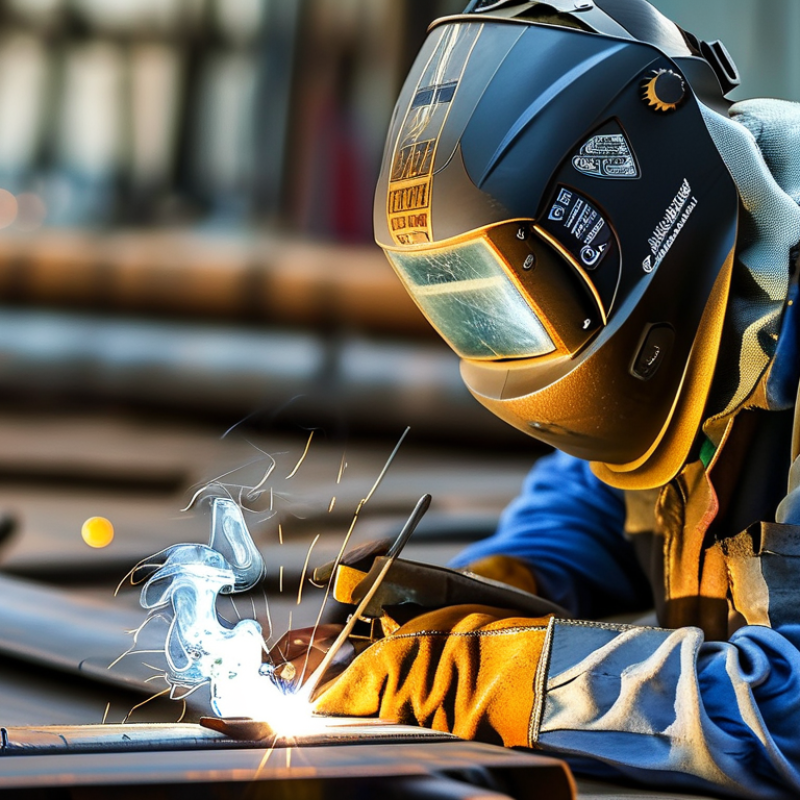
Flux-Cored Arc Welding (FCAW) is an important process in the welding industry. It combines the benefits of MIG welding and traditional stick welding. FCAW uses a tubular wire filled with flux. This allows for efficient welding in various positions and environments. According to the American Welding Society, FCAW can increase welding speed by up to 50% compared to conventional methods.

The process is versatile, making it suitable for different metals like carbon and stainless steel. Reports indicate that FCAW provides excellent penetration and minimal spatter, resulting in a cleaner weld. Despite its advantages, operators need to be aware of potential drawbacks. Proper shielding gas is crucial in preventing porosity in the weld. Additionally, maintaining optimal wire speed can minimize defects.

While FCAW is popular in construction and shipbuilding, it requires skill and attention. Novice welders may struggle with technique and equipment settings. Continuous training and practice can help improve results. Investing in professional development can foster proficiency in this method. As FCAW technology evolves, staying updated is vital for global buyers. Balancing efficiency and skill ensures quality work in various applications.

Key Advantages of FCAW in Industrial Applications

In the realm of industrial applications, Flux-Cored Arc Welding (FCAW) showcases numerous advantages. This welding technique excels in efficiency, especially in construction and manufacturing sectors. According to the American Welding Society (AWS), FCAW can achieve deposition rates up to 30 pounds per hour. This is significantly higher than traditional welding methods. High deposition rates mean faster projects and reduced labor costs.

FCAW is also versatile in various environmental conditions. It performs well in windy or outdoor settings where shielding gas would be ineffective. The ability to use self-shielded FCAW wire enhances its reliability, making it suitable for various materials like steel and stainless steel. Consistency is vital; however, welders sometimes encounter challenges with fume generation. Adopting proper ventilation is crucial to ensure a safe working environment.

Moreover, the ease of use of FCAW equipment appeals to many operators. The learning curve is generally more manageable compared to other processes, according to industry surveys. This accessibility facilitates faster training for new welders. However, operators should remain vigilant about the potential for porosity and incomplete fusion in welds. Regular inspections and skill improvements can mitigate these risks effectively.

Cost-Effectiveness of FCAW for Global Buyers

Flux-Cored Arc Welding (FCAW) offers impressive cost-effectiveness for global buyers. It allows for efficient and high-quality welding with lower gas costs. By using a self-shielded wire, you can save on external shielding gases. This technology also minimizes labor costs thanks to its ease of use. These factors make it appealing to businesses operating on tight budgets.

Tips: When considering FCAW, evaluate your work environment. FCAW excels in outdoor settings, particularly in windy conditions. It allows for less downtime due to its productivity. The ability to weld thicker materials in one pass is another cost-saving aspect. However, ensure your team is trained to maximize this technique’s benefits.

The equipment itself is generally affordable. Essential tools, such as welding machines and protective gear, are widely available. While there are upfront costs, the long-term savings often outweigh them. Reflect on your specific needs before making a decision. Analyze the type of projects you undertake. Balancing initial investments against potential returns is vital for success.

Top 10 Benefits of FCAW in Welding for Global Buyers

This chart illustrates the top 10 benefits of Flux-Cored Arc Welding (FCAW) for global buyers, indicating a score from 1 to 10 for each benefit. The highest benefits identified include cost-effectiveness and improved weld quality, crucial factors for buyers in the welding industry.

FCAW Versus Other Welding Methods: A Comparative Analysis

FCAW, or Flux-Cored Arc Welding, offers various advantages compared to other welding methods. One notable difference is its efficiency. According to a 2021 report by the American Welding Society, FCAW can operate at speeds up to three times quicker than MIG welding. This speed allows for higher productivity, especially in large-scale projects. However, while speed is essential, weld quality can suffer without proper technique and control.

Safety is another critical area where FCAW varies from traditional methods. It presents a reduced risk of metal contamination because the process can be performed in open air. This contrasts sharply with TIG welding, which often requires controlled environments. Yet, the process generates more fumes, highlighting a challenge that welders must address. Protective measures are essential for maintaining a safe workspace.

Moreover, FCAW requires less pre-cleaning of surfaces compared to other welding types. In comparison to SMAW, for instance, it shows a willingness to accommodate dirty or rusted materials. Despite these benefits, the initial costs of FCAW equipment can be high. This can be a barrier for some smaller operations. Evaluating the long-term benefits versus the up-front investment is critical for businesses.

Environmental Considerations of FCAW Technology in Welding

Flux-Cored Arc Welding (FCAW) is gaining traction in various industries, especially for its environmental benefits. According to a report by the American Welding Society, the welding sector accounts for approximately 4% of global carbon emissions. FCAW can significantly reduce this impact. Its capability to use a continuous electrode means reduced waste and fewer discharges compared to traditional methods.

Moreover, FCAW uses a shielding gas that minimizes the emission of hazardous substances. A study from the Environmental Protection Agency demonstrates that this technique can lower particulate emissions by 30%, making it a cleaner alternative for fabricators. This is crucial as industries strive to comply with stricter environmental regulations.

However, it's essential to acknowledge FCAW's challenges. While environmentally friendlier, generating waste from flux material remains an issue. Some manufacturers face difficulties disposing of flux waste safely. Continuous innovation in FCAW technology is necessary to address these concerns. As environmental standards continue to evolve, the welding community must prioritize sustainable practices, ensuring both efficiency and ecological responsibility.

Top 10 Benefits of FCAW in Welding for Global Buyers - Environmental Considerations of FCAW Technology in Welding

Benefit Description Environmental Impact Cost Efficiency
Increased Welding Speed FCAW allows for faster welding, improving productivity. Reduced energy consumption due to shorter time on task. Higher output translates to lower labor costs.
Versatility Applicable on various materials and thicknesses, both indoors and outdoors. Less need for specialized equipment reduces waste. Flexible uses lower overall material costs.
Reduced Fume Emission Advanced process results in lower fume generation compared to other processes. Decreases air pollution during welding tasks. Long-term health savings through lower exposure risks.
Improved Weld Quality Enhanced control over deposition rates and reduced porosity. Less defective welds mean fewer resources wasted on repairs. Higher quality reduces rework and associated costs.
Less Energy Consumption Efficient arc behavior requires less energy for the welding process. Lower overall carbon footprint in operations. Savings on energy bills contribute to profit margins.
Less Material Waste Optimized usage of filler materials leads to minimal waste. Supports sustainability efforts through reduced scrap. Lower material costs enhance profitability.
Improved Safety Reduced exposure to harmful fumes and splatter. Creates a healthier workplace environment. Fewer accidents reduce operational downtime.
Adaptability to Automation FCAW is easier to implement in automated systems. Streamlines production processes, leading to efficiency gains. Reduced labor costs through automation capabilities.
Easier Maintenance FCAW equipment typically requires less frequent maintenance. Less waste generated from maintenance activities. Lower maintenance costs improve financial performance.
Global Availability Widely implemented technology with readily available resources. Supports local economies through accessible resources. Market competitiveness due to universal technology adoption.