2026 Best Welding Machine Catalogue for Professional Use?
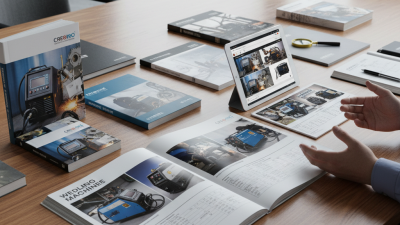
In the fast-evolving field of welding, having the right tools at hand can make all the difference. Our 2026 Welding Machine Catalogue aims to guide professionals through the latest advancements in welding technology. This comprehensive resource features a carefully curated selection of machines that cater to various welding applications.
Each machine within this catalogue has been vetted for performance, reliability, and user feedback. We understand that choosing the right machine can be daunting. Some options may seem overwhelming or underwhelming based on individual needs. Our goal is to simplify this process. The catalogue highlights essential features and specifications to help you make informed decisions.
Welding is not just a trade; it requires passion and skill. It's important to reflect on what works best for you. This catalogue acknowledges the complexities of each welding scenario, offering machines suitable for both beginners and seasoned professionals. By providing clear insights, we hope to empower welders to elevate their craft.

Overview of Welding Machines for Professional Use
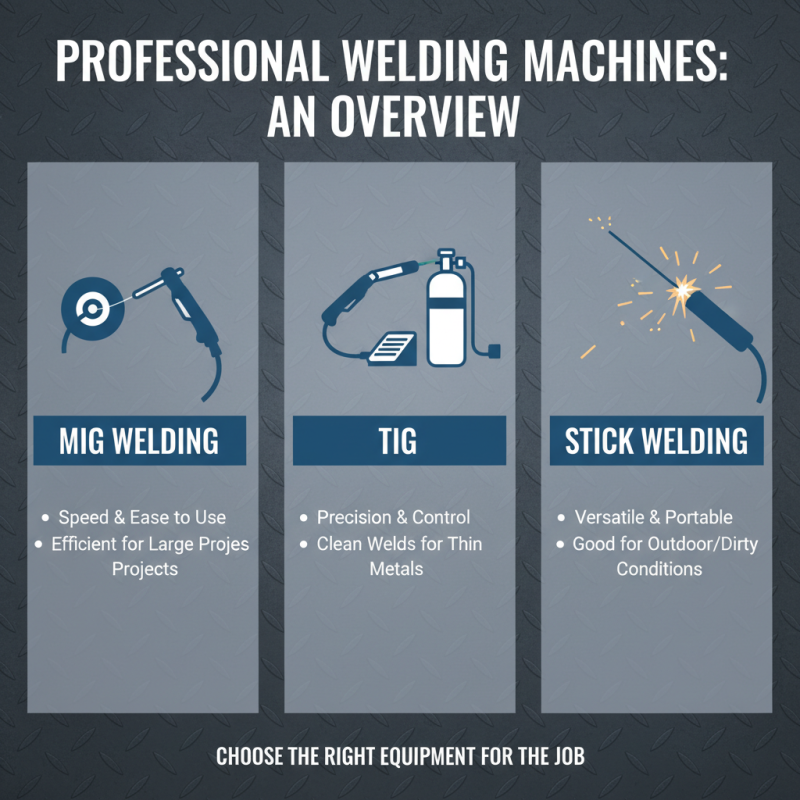
When it comes to professional welding, the right equipment can make all the difference. Various welding machines offer unique features tailored for different applications. MIG, TIG, and stick welders are common types. Each has its own strengths. For instance, MIG is known for speed and ease of use. It's often chosen for its efficiency in larger projects.
TIG welding stands out for precision. It’s a favorite in industries that require clean, strong welds. However, it has a steeper learning curve. Stick welding is versatile and great for outdoors. It can perform well in less-than-ideal conditions. Yet, the quality can vary based on skill.
Choosing the right machine depends on the projects at hand. Assess the materials, thickness, and desired finish. Research is essential, but hands-on experience is invaluable. It can uncover strengths and weaknesses of each type. Reflecting on past projects can guide future choices, enhancing your craft over time.
Key Features to Consider in Professional Welding Machines
When choosing a professional welding machine, several key features stand out.
Power output is crucial.
A machine with adjustable amperage offers versatility for different materials and thicknesses.
Consider the duty cycle. A higher duty cycle means sustained work without overheating.
This is essential in high-demand environments.
Portability also matters. Lightweight machines can be moved around easily.
This is especially helpful for onsite jobs. Evaluate the user interface. A clear display and intuitive controls boost efficiency.
If you're not comfortable with adjustments, it can lead to errors.
Tips: Always check the warranty. A solid warranty reflects manufacturer confidence.
Take the time to read reviews. Peer feedback can reveal strengths and weaknesses.
Sometimes, personal preferences shape the best choice for your needs. Reflect on your specific requirements.
This may include the types of projects you'll tackle or the materials you'll work with.
Comparison of Top Welding Machine Brands for 2026
When it comes to selecting a welding machine, comparisons are crucial. Various brands offer distinct features. Some excel in portability, while others focus on power. Understanding these differences is key for professionals.
For example, one brand might provide advanced inverter technology, ensuring efficiency in energy use. Another could specialize in TIG welding, catering to detailed work. Each type has its own strengths and weaknesses. A machine ideal for thin materials may struggle with thicker ones.
Reviews from experienced welders highlight real-world performance. They share insights on durability and ease of use. Not every machine meets every need. Professionals often find that their preferences evolve over time. Evaluating multiple options is essential for informed decisions. Each welding task has specific requirements, making it vital to choose wisely based on firsthand experiences.
Comparison of Welding Machine Performance Ratings for 2026
Safety Standards and Best Practices in Welding
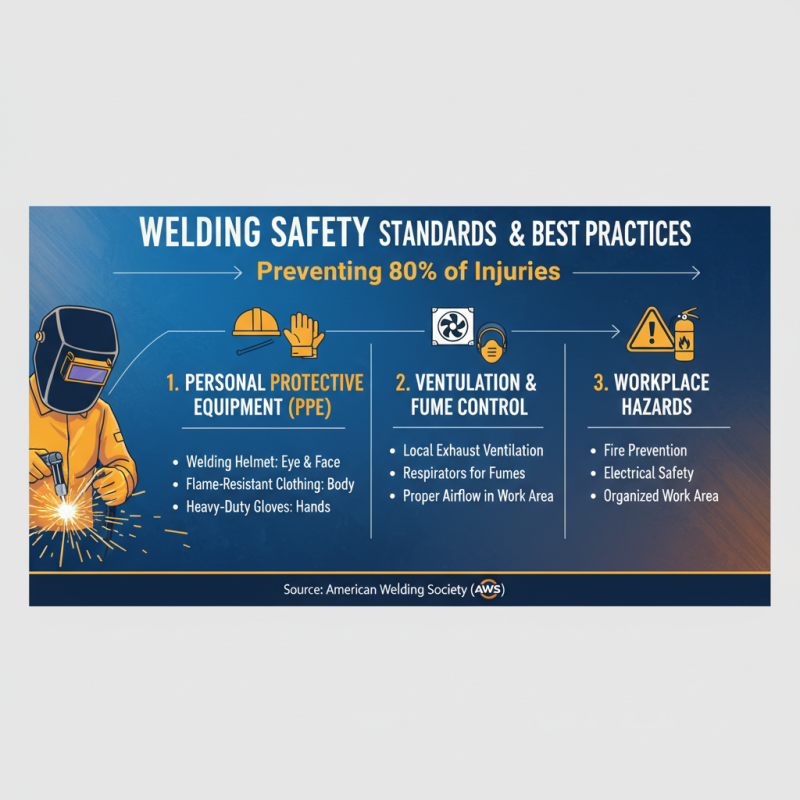
Welding safety standards are critical for professionals in the field. The American Welding Society (AWS) indicates that nearly 80% of welding injuries can be prevented through proper precautions. For instance, personal protective equipment (PPE) is essential. This includes welding helmets, gloves, and flame-resistant clothing. These items mitigate risks from burns and harmful radiation.
Moreover, ventilation is vital. Poor air quality can cause respiratory issues, like welding fume fever. According to the National Institute for Occupational Safety and Health (NIOSH), effective ventilation can reduce airborne contaminants significantly. Improved airflow prevents the accumulation of toxic gases, contributing to a safer workspace.
Training and awareness also play roles. Ongoing education on safety practices helps welders recognize hazards. Yet, only 30% of companies provide regular safety training. This gap often leads to accidents that could be avoided. Continuous learning is just as important as skilled craftsmanship. Recognizing that safety is a shared responsibility will lead to a healthier work environment.
Maintenance Tips for Longevity of Welding Equipment
Proper maintenance of welding equipment is crucial for ensuring longevity and consistent performance. According to industry research, regular upkeep can extend the life of welding machines by 30-50%. This involves periodic cleaning, inspecting cables, and checking connections. Neglecting these basic steps can lead to malfunctions, costing both time and money.
Another critical aspect is calibrating your welding settings regularly. Inaccurate settings can lead to poor weld quality and increased wear on equipment. Research indicates that 40% of welding defects arise from improper machine adjustments. Moreover, overheating is a common issue that can drastically shorten the lifespan of your welding machine. Ensure ventilation is adequate and monitor the machine’s temperature during use to avoid damage.
Creating a maintenance log can be a practical approach. This log helps track service intervals and performance issues. Interestingly, a survey by the American Welding Society found that only 25% of professional welders keep maintenance records. This oversight might lead to overlooked repairs, impacting productivity and safety. Regularly revisiting your maintenance habits is essential for achieving optimal welding results.