company

Why Are Welding Rods Used in Welding?

Why Are Welding Rods Used in Welding?

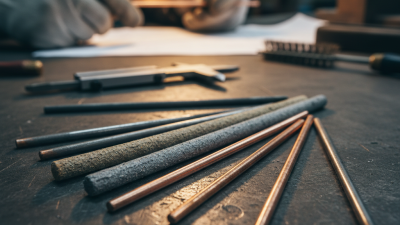
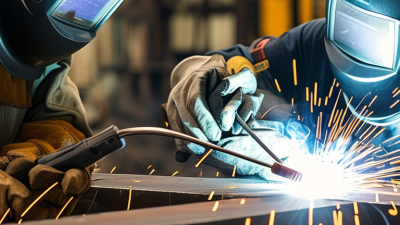
Welding rods provide the added metal needed to join two prepared surfaces. Their main role is often called Welding Rod Purpose. They help fill the joint gap, strengthen the connection, and shape the final weld bead. During arc welding, the rod melts under intense heat. The molten metal flows into the joint and cools into a solid bridge.

The rod also influences penetration, bead appearance, and resistance to cracking. Some rods contain flux coatings that create shielding gas and protective slag. These materials help protect the hot weld pool from oxygen and nitrogen in the air. Without that protection, the joint may become porous or weak. Rod selection depends on the base metal, joint design, welding position, and electrical polarity. A repair technician may notice this when one rod produces a smooth bead, while another creates heavy spatter.

John C. Lippold, a respected welding metallurgy expert, explains the practical principle clearly: “A sound weld begins with controlling the process, not simply adding metal.” That statement deserves careful attention. A welding rod cannot correct poor cleaning, excessive heat, or careless technique. The operator must match the rod to the application and store it properly. Even a small amount of moisture can affect performance, especially with low-hydrogen electrodes.

The explanation is not perfect. Rods do more than fill space. They become part of the joint’s mechanical structure. Understanding their purpose helps welders make safer, stronger, and more consistent connections.
Why Are Welding Rods Used in Welding?

What Welding Rods Are and How They Work

Welding rods are consumable electrodes used mainly in shielded metal arc welding. When the rod touches steel, an electric arc creates intense heat. The rod’s core melts and becomes filler metal inside the joint. Its coating creates shielding gas and slag, protecting the molten pool from oxygen and nitrogen. Without that protection, welds may become porous, brittle, or rough. ISO 2560 classifies covered electrodes by strength, coating type, and welding position. That classification is practical, not decorative.

Rod selection affects penetration, arc stability, and cleanup. Low-hydrogen electrodes can reduce hydrogen-related cracking when stored and handled correctly. Moisture is not a small detail. The U.S. Bureau of Labor Statistics projects about 47,600 annual openings for welders, cutters, solderers, and brazers from 2023 to 2033. This demand reflects a trade where repeatable technique matters. In shop work, I have seen a neat bead hide poor fusion. I still catch myself trusting appearance too quickly. Visual inspection, bend testing, and a qualified procedure provide stronger evidence.

Tips: Match the rod classification to the base metal, thickness, position, and current. Keep electrodes dry under the applicable standard. Remove mill scale, oil, and paint before striking. Use a short, steady arc. If slag peels unevenly, stop and investigate. Forcing another pass can hide a mistake. Follow the approved welding procedure and inspect the finished joint.

Why Are Welding Rods Used in Welding?

Welding rods, also called electrodes, provide the filler metal needed to join workpieces. During shielded metal arc welding, the rod creates an electric arc, melts into the joint, and its coating produces shielding gas and slag that help protect the molten weld pool from contamination.

The chart shows the nominal minimum tensile strength represented by common AWS electrode classifications. The first two digits indicate approximate tensile strength in thousands of pounds per square inch (ksi). Actual performance also depends on the base metal, welding current, position, and operating technique.

How Welding Rods Create Strong Metal Joints

Welding rods create strong metal joints by adding controlled filler metal to the weld area. An electric arc melts the rod tip and slightly liquefies the base metals. These liquids combine in a small molten pool, then cool into a continuous connection. The rod is the bridge.

In shop practice, rod selection affects far more than appearance. A 3.2-millimeter coated rod may suit a structural joint, but only with suitable current, polarity, and travel speed. Its coating produces shielding gases and slag, protecting the hot metal from atmospheric contamination. Poor storage can add moisture, causing unstable arcs, porosity, or hidden cracking. A clean-looking bead can still be weak. That detail is easy to miss.

The World Steel Association reported approximately 1.89 billion metric tons of crude steel production in 2023. Such volume makes repeatable joining methods essential across construction, repair, and fabrication. The U.S. Bureau of Labor Statistics projected about 42,600 annual openings for welding-related workers in its 2024 Occupational Outlook Handbook. That demand highlights the need for trained judgment, not simply faster welding.

A strong joint depends on fusion, penetration, and compatible metal chemistry. Welding procedures commonly require visual inspection and mechanical testing, including tensile tests. Still, test results cannot replace careful preparation. Mill scale, gaps, poor fit-up, and an incorrect angle can quietly reduce strength. I would question any weld judged only by its shine.

Why Are Welding Rods Used in Welding? - How Welding Rods Create Strong Metal Joints
Welding Rod Classification Primary Function Typical Coating or Core Feature Common Current and Polarity Typical Welding Positions Strength Information How It Supports a Strong Joint
E6010 Deep-penetration welding of carbon steel, especially root passes and repair work. Cellulosic coating that produces a forceful arc and a fast-freezing slag. Usually direct current electrode positive (DCEP); exact settings depend on rod diameter and procedure. All positions when the correct technique and diameter are used. The “60” indicates a minimum tensile strength classification of 60 ksi, or about 414 MPa. Its concentrated arc helps fuse the root of the joint and reach into narrower gaps.
E6011 General-purpose welding where penetration and power-source flexibility are important. Cellulosic coating designed to maintain a strong, penetrating arc. Commonly usable with AC or DCEP, subject to the welding procedure and electrode instructions. All positions with suitable amperage and travel speed. The “60” indicates a minimum tensile strength classification of 60 ksi, or about 414 MPa. It can maintain arc stability on less-than-perfectly clean steel and produce useful penetration.
E6013 Light- to medium-duty fabrication and general repair of clean or lightly prepared mild steel. Rutile coating that produces a smooth arc, easy slag release, and a neat weld appearance. Often suitable for AC, DCEP, or DCEN, depending on the specific electrode specification. Commonly available for flat, horizontal, vertical, and overhead work. The “60” indicates a minimum tensile strength classification of 60 ksi, or about 414 MPa. Its controlled arc and manageable slag help create consistent bead shape and adequate fusion.
E7018 Structural and critical carbon-steel joints where low hydrogen is required. Low-hydrogen basic coating that must be kept dry according to the applicable welding procedure. Commonly used with DCEP or AC designed for the electrode; follow the qualified procedure. All positions, with some larger diameters mainly used in flat or horizontal positions. The “70” indicates a minimum tensile strength classification of 70 ksi, or about 483 MPa. Low diffusible hydrogen reduces the risk of hydrogen-assisted cracking when storage, preparation, and preheating are properly controlled.
E7014 High-deposition welding for general fabrication and fillet welds on mild steel. Iron-powder rutile coating that increases deposition efficiency and supports a smooth bead. Often compatible with AC, DCEP, or DCEN, depending on the electrode specification. Mainly flat and horizontal; some sizes can be used in other positions. The “70” indicates a minimum tensile strength classification of 70 ksi, or about 483 MPa. Higher deposition efficiency helps build correctly sized fillet welds with fewer passes.
Stainless-Steel Covered Electrodes Joining or repairing corrosion-resistant stainless steels and selected dissimilar-metal combinations. Stainless alloy core wire with a coating selected for the required chemistry and welding characteristics. Current and polarity vary by electrode classification; AC or DC settings must follow the qualified procedure. Position capability varies by classification and diameter. Mechanical strength and corrosion resistance depend on the specific stainless-steel classification and base metal. The deposited alloy can preserve corrosion resistance and provide metallurgical compatibility with the joint.
Flux-Cored Self-Shielded Electrode Outdoor or field welding where shielding gas may be difficult to maintain. Hollow tubular wire containing flux; it is not a solid rod but performs a similar filler-metal function. Polarity depends on the classification; many common types use DCEP or DCEN. Position capability varies by classification, with many types available for all-position work. Strength is identified by the electrode classification and may include 60 ksi or 70 ksi tensile-strength levels. The flux generates shielding gases and slag, protecting the molten pool from atmospheric contamination while adding filler metal.
How welding rods create strong metal joints: The rod supplies filler metal, while its coating or flux forms shielding gases and slag that protect the molten weld pool from oxygen, nitrogen, and moisture. The resulting weld strength depends on the electrode classification, base-metal compatibility, joint design, heat input, cleanliness, welding position, storage conditions, and the qualified welding procedure.

Main Types of Welding Rods and Their Uses

Why Are Welding Rods Used in Welding?

Welding rods supply filler metal and help create a controlled joint between separate workpieces. In shielded metal arc welding, the rod melts while its flux coating forms protective gas and slag. This protection reduces atmospheric contamination around the molten weld pool. Rod selection depends on base-metal chemistry, joint position, thickness, and required strength. The boundary is not always neat.

Main Types of Welding Rods and Their Uses

Covered electrodes, such as low-hydrogen and rutile types, are widely used for structural repairs, pipelines, and outdoor fabrication. Low-hydrogen electrodes help reduce hydrogen-related cracking in restrained joints. Rutile electrodes usually provide easier striking and smoother-looking beads. Bare filler rods are common in gas welding and TIG welding, where a separate tungsten electrode creates the arc. Stainless-steel, aluminum, and nickel-alloy rods match specific corrosion or heat requirements. Flux-cored wire is not technically a rod, but it serves a similar filler-metal role in semiautomatic welding.

The U.S. Bureau of Labor Statistics projects about 42,600 annual openings for welding-related occupations during 2023–2033. That demand increases the value of correct consumable selection and operator training. AWS A5 specifications classify electrodes by coating, strength, position, and usability.

In practice, a rod can look suitable yet produce porosity if it absorbed moisture. Storage matters. I have seen avoidable rework begin with a damp electrode, not poor technique. Welders should verify the procedure, dry storage conditions, polarity, and compatibility before striking an arc.

How to Select the Right Welding Rod

Why Are Welding Rods Used in Welding?

Welding rods supply filler metal and help create an arc between the electrode and workpiece. In shielded metal arc welding, the coating also produces protective gas and slag. Selecting the right welding rod affects penetration, strength, arc stability, and cleanup.

I begin by matching the rod classification to the base metal. A mild-steel joint usually needs a mild-steel electrode, while stainless or cast iron requires a compatible filler. The rod diameter should suit the metal thickness and joint design. Thin sheet can burn through with an oversized rod. Small rods offer better control. Check the required current and polarity on the electrode package or technical data sheet. Using the wrong setting may cause spatter, weak fusion, or excessive slag.

Fit matters.
Keep it dry.

Welding position also changes the choice. Flat welds allow more control, but vertical or overhead work may need an electrode designed for a fast-freezing puddle. I inspect the joint, remove paint and rust, and test the arc on scrap metal before welding the actual part. This simple step often reveals poor settings.

Rod storage deserves attention because damp coatings can cause unstable arcs and hydrogen-related cracking in some steels. Use approved storage methods and follow the electrode manufacturer’s instructions. I have sometimes trusted a familiar rod too quickly; joint thickness and position proved more important than habit. Wear suitable eye, hand, and respiratory protection, and keep the work area free from flammable materials.

Safety Practices for Handling Welding Rods

Why Are Welding Rods Used in Welding?

Safety Practices for Handling Welding Rods

Welding rods supply filler metal and help form a strong joint between heated workpieces. Their coatings can also stabilize the arc and create protective shielding. Safe handling matters because damaged coatings, moisture, and fumes can affect both weld quality and worker health.

Keep rods in sealed, labeled containers when they are not in use. Store them away from water, oil, and floor-level contamination. Low-hydrogen electrodes need controlled storage and rebaking according to the applicable welding procedure. Never use a rod with a cracked coating or exposed core wire. Wear dry welding gloves, flame-resistant clothing, safety glasses, and a suitable face shield. Remove hot rod stubs with pliers, not bare hands.

Ventilation requires serious attention. The National Institute for Occupational Safety and Health recommends a 0.2 microgram-per-cubic-meter exposure limit for hexavalent chromium, measured as a 10-hour time-weighted average. Some stainless-steel welding rods may generate this substance. OSHA also requires employers to control welding fumes and fire hazards under 29 CFR 1910.252. Local exhaust ventilation should capture fumes near the arc, not simply move them around the workshop.

Small errors matter. A dry-looking rod may still absorb moisture. Experienced workers can overlook this during busy shifts. Check the storage log, inspect the rod, and question unclear procedures before striking an arc. Safety data sheets and qualified welding supervisors remain useful references, especially when metals or coatings change.