company

What Is a Welding Rod Used For?

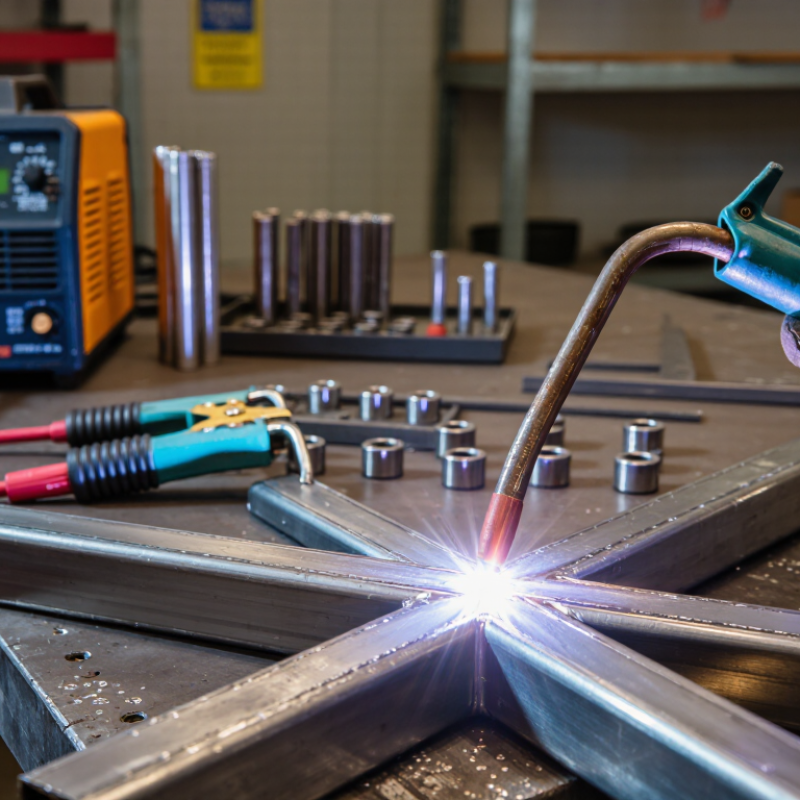
A welding rod is not merely a stick of metal. In shielded metal arc welding, the electrode carries current, creates the arc, and often supplies filler metal to the joint. Its coating also helps shield the hot weld pool and forms slag, which protects the bead as it cools. That is the basic Welding Rod Purpose: to help create a sound, usable weld when the rod suits the material and process.

Welding educator and author Larry Jeffus has written extensively about welding practice. I can’t verify a verbatim statement from him on this specific point, so this is a concise summary, not a direct quote: “Match the rod to the metal, process, and welding position.” Details matter. A rod’s classification, diameter, and recommended current affect how it starts, runs, and deposits metal. Picture a bead laid along a steel joint: the wrong rod may drag, spatter, or leave an uneven profile. The right choice helps, but it cannot correct poor fit-up or rushed technique. That part is easy to overlook. Even experienced welders check the rod label and machine settings before striking an arc. A beginner may focus on the spark; the finished joint deserves more attention. There is no single rod for every job. That is the useful—and slightly inconvenient—truth.
What Is a Welding Rod Used For?

What a Welding Rod Is and How It Works

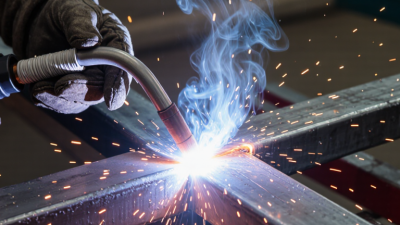
A welding rod is a metal filler used to join separate pieces of metal. In some processes, it also carries the electric current that creates the arc. The arc produces intense heat between the rod and the workpiece. This heat melts the rod, the base metal, or both. As the puddle cools, it forms a solid joint.

A coated stick electrode has a metal core surrounded by flux. The core becomes filler metal. The flux burns and creates shielding gas, while its residue forms slag over the cooling weld. This layer helps protect the hot metal from oxygen and other contaminants. After cooling, the slag must be removed carefully with a chipping tool and brush. A clean surface matters.

Not every welding rod works the same way. A TIG filler rod usually does not carry the arc; the separate tungsten electrode does that. The operator feeds the rod into the molten puddle by hand. Rod diameter, metal type, current, and travel speed affect penetration and bead shape. A practical check is simple: inspect the joint after cleaning, then test it when the application requires strength.

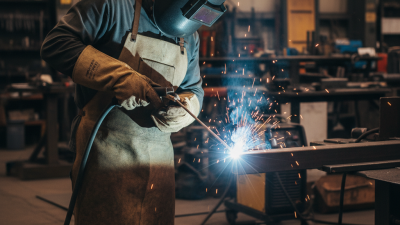
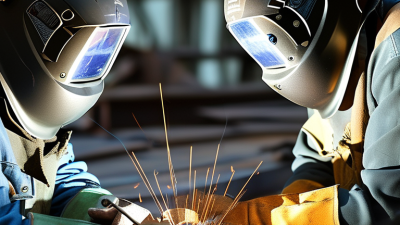
A smooth bead can still hide weakness. I have seen beginners move too quickly and leave cold, uneven edges. Practice on scrap metal exposes those mistakes. Proper eye protection, gloves, ventilation, and current settings remain essential around welding equipment.

How Welding Rods Join and Protect Metal

What Is a Welding Rod Used For?

How Welding Rods Join and Protect Metal

A welding rod joins metal by carrying current across an electric arc. The arc creates intense heat between the rod and the workpiece. Both surfaces melt and form a shared pool. As the pool cools, it becomes a solid joint. The result depends on fit-up, heat control, travel speed, and the rod’s composition.

The rod also helps protect the weld. Many coated rods release shielding gases when heated. These gases reduce contact with oxygen and nitrogen in the air. A solid slag layer then covers the cooling bead. It acts like a temporary blanket. After cooling, the slag must be removed and inspected. Trapped slag can weaken the joint.

Different rods suit different metals, thicknesses, and welding positions. A clean, dry rod usually produces a steadier arc. Moisture can increase porosity and hydrogen-related cracking risks. In practical work, a bright bead is not enough. A weld may look smooth but lack proper penetration. Check the bead profile, edges, and underside when possible. Small gaps, rust, or an unstable hand can change the result. That part is easy to underestimate.

The rod protects molten metal during welding, but it does not prevent future corrosion. Proper surface preparation and a suitable protective coating may still be necessary.

Common Types of Welding Rods and Their Uses

A welding rod is a consumable electrode that joins metal through heat and controlled melting. In shielded metal arc welding, its coating produces protective gas and slag. The rod’s core supplies filler metal to the joint. Its selection depends on base-metal chemistry, thickness, position, and power source. Small differences matter.

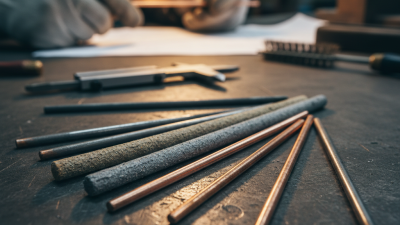
E6010 rods create deep penetration and suit open-root pipe welds. They run best on direct current and require confident arc control. E6011 rods offer similar penetration but work with alternating current. E6013 rods produce a softer arc and cleaner appearance on thin steel. E7018 rods add stronger, low-hydrogen weld metal for structural applications.

Stainless-steel and nickel-alloy rods help match corrosion-resistant or difficult base metals. Keep them dry. Moisture can increase hydrogen-related cracking risk.

The American Welding Society’s Welding Handbook explains that electrode classification reflects tensile strength, welding position, and current requirements. The U.S. Bureau of Labor Statistics projects 2% employment growth for welders from 2024 to 2034, with about 45,600 openings annually. World Steel Association’s World Steel in Figures 2024 recorded roughly 1.89 billion tonnes of crude steel production in 2023. That scale makes correct rod selection more than a workshop detail. In practice, a common mistake is choosing by appearance alone. I still find this tempting. Read the classification, check the welding procedure, and verify storage conditions before striking an arc.

Materials and Projects Suited to Each Rod Type

A welding rod carries current and deposits metal into a joint, but its coating also controls the arc, shielding, and slag. Rod choice depends on the base metal, joint position, and required strength. The American Welding Society’s AWS A5.1 classification identifies carbon-steel rods by strength and usability.

For example, E6010 suits deep-penetration work on dirty steel, such as farm repairs and pipe root passes. E6011 performs similarly with alternating current, making it useful on older welding machines.

E6013 creates a softer arc and cleaner appearance on thin mild steel. It fits gates, brackets, light frames, and beginner practice projects. E7018 deposits stronger, low-hydrogen weld metal for structural assemblies, heavy plates, and equipment repairs.

However, it must remain dry. Damp electrodes can increase cracking risk, especially in restrained joints. That detail is easy to overlook.

Stainless-steel rods, such as 308L or 316L classifications, match compatible stainless grades in food-processing frames, tanks, and outdoor fixtures. Hardfacing rods contain alloying elements designed for worn edges, buckets, and crusher surfaces, not ordinary joining.

The U.S. Bureau of Labor Statistics reported about 418,200 welding, soldering, and brazing jobs in 2023, showing the trade’s continuing industrial importance. Yet employment data does not guarantee a correct rod choice.

I have seen neat-looking welds fail because the filler metal was wrong. Check the electrode classification, storage condition, and project drawing before striking an arc.

How to Choose the Right Welding Rod for a Job

A welding rod must match the base metal, joint design, and working conditions—not just the welder’s preferred setting. Check the metal type and thickness first, then consider welding position and power source. A thin sheet can burn through with an oversized rod or excessive current. A thick, restrained joint may need a different electrode and a carefully controlled sequence. Fit matters.

AWS Specification A5.1/A5.1M provides useful classification data for carbon-steel electrodes. In its system, “60” and “70” indicate minimum tensile strengths of 60,000 and 70,000 psi; the following position and coating digits describe other characteristics. For example, E7018 is a low-hydrogen electrode commonly selected for structural work, while E6013 is often used for general-purpose fabrication. Higher strength is not automatically better. The electrode should suit the base metal and applicable job requirements.

Before choosing, confirm the rod’s diameter suits the material thickness and available amperage. Check whether the weld will be flat, vertical, or overhead; not every rod handles each position equally well. Keep low-hydrogen electrodes dry as their instructions require, since moisture can contribute to weld defects. Clean off paint, rust, oil, and mill scale where practical. A small test bead helps reveal arc stability and penetration, though it cannot replace inspection or a qualified welding procedure. The choice can be less tidy than a chart suggests.

What Is a Welding Rod Used For? — How to Choose the Right Welding Rod for a Job
Electrode Classification What It Is Commonly Used For Suitable Materials or Jobs Welding Positions Typical Current and Polarity Choose It When…
E6010 Deep-penetrating stick welding, often used for root passes and fast, forceful welds. Carbon-steel pipe and other carbon-steel work where a deep-penetrating electrode is appropriate. All positions Typically DCEP (electrode positive); generally not an AC electrode. You need strong penetration and your power source supports DCEP.
E6011 Deep-penetrating general-purpose welding, including work where AC capability is useful. Carbon steel, including repair work; proper cleaning and joint preparation are still important. All positions Typically AC or DCEP. You need an all-position electrode that can run on an AC machine or DCEP.
E6013 Smoother, relatively easy-to-control welds with moderate penetration. General-purpose carbon steel, light fabrication, and thinner sections when the joint and settings are suitable. All positions Commonly AC, DCEP, or DCEN; check the electrode packaging. You want an easy-starting rod and do not need the deeper penetration of a cellulosic electrode.
E7018 Low-hydrogen welding for strong, high-quality carbon-steel welds. Structural steel and other carbon-steel work where the specified procedure calls for a low-hydrogen electrode. All positions, typically except vertical-down Commonly AC or DCEP; some versions are designed for specific power sources. The job requires low-hydrogen practice, and you can store and handle the electrodes as specified.
E7024 High-deposition welding for long, relatively flat welds. Carbon-steel fillet and groove welds in suitable flat or horizontal applications. Primarily flat and horizontal fillet positions Commonly AC or DCEP; confirm the permitted current on the package. You can weld in its preferred positions and want to deposit metal quickly.
E308L-16 Joining common 304/304L stainless steels; the “L” indicates low carbon. Stainless-steel fabrication and repairs where this filler classification is compatible with the base metal. Generally all positions except vertical-down; verify the product designation. Commonly AC or DCEP. You are welding compatible stainless steel and need to match the filler to the alloy and service requirements.

Selection note: Match the electrode to the base metal, required weld properties, joint design, welding position, and available power source. Choose a rod diameter and amperage appropriate for the material thickness and joint. Current ranges and polarity can vary by electrode manufacturer and product, so follow the package instructions and the applicable welding procedure.