Top 10 Welding Rod Purposes You Should Know About?
Understanding the "Welding Rod Purpose" is crucial for professional welders and hobbyists alike. Each type of welding rod serves a unique function and contributes to the overall quality of the weld. From providing structural support to enhancing the aesthetic finish, the right rod can make a significant difference.
When welding, choosing the correct rod based on its purpose can sometimes feel overwhelming. Different materials and welding conditions require different rods. Some rods excel in high heat, while others are designed for corrosion resistance. Familiarity with these purposes can lead to better outcomes.
Reflecting on past experiences, many welders have faced challenges in selecting the right rod. The learning curve can be steep. However, understanding each welding rod's specific purpose can help mitigate mistakes and improve future projects. It brings a level of confidence to the welding process. Explore the top ten welding rod purposes and enhance your welding skills.
Understanding the Basics of Welding Rods
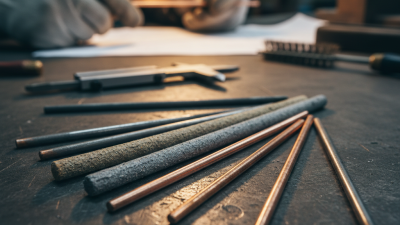
Welding rods are essential tools for anyone involved in the welding process. Understanding their basic types and purposes is vital. They come in various materials, each suited for specific tasks. Some common types include E6011 for mild steel and E7018 for structural welding. Each one has advantages and disadvantages. Knowing when to use a particular rod can enhance the quality of your welds.
When choosing a welding rod, consider the material you are working with. The thickness of the material matters too. A thicker rod is often required for thicker materials. However, it can be challenging to control heat with larger rods. You might find yourself facing issues like warping or joint failure. Practice will help improve your technique and understanding. Reflection on past experiences will strengthen your skills.
Many welders overlook the importance of welding rod storage. Rods can absorb moisture, which leads to defects in the weld. Proper storage conditions extend the life of the rods. Keeping them dry should be a priority. It is essential to keep learning about different welding techniques, as well as the role of rods. Mastery comes with time, and the road is not always smooth.
Top 10 Welding Rod Purposes You Should Know About
Different Types of Welding Rods and Their Uses
Welding rods play a critical role in various welding applications. Each type of rod has unique properties suited for specific tasks. For example, the E6011 rod is ideal for thin materials and provides great penetration. It works well in situations where the surface is dirty or rusty. This flexibility makes it a favorite among many welders.
Another common choice is the E6013 rod. It's perfect for general-purpose welding and produces a smooth finish. This rod excels in applications like home repairs and light industrial work. The ease of use attracts both beginners and experienced welders. On the other hand, the E7018 rod is preferred for structural welding. It requires a bit more skill and produces a stronger joint.
However, choosing the right rod can be tricky. Factors like material type and thickness must be considered. New welders may struggle with these decisions. Even experienced welders sometimes question their choices during a project. It’s essential to keep testing and learning to improve.
Key Factors for Selecting the Right Welding Rod
When choosing the right welding rod, a few key factors come into play. The type of welding process you plan to use greatly influences your selection. For instance, stick welding often requires different rods than MIG or TIG welding. Understanding these processes is vital for effective welding.
Another critical factor is the material you are welding. Different metals have unique characteristics. For instance, mild steel rods may not work well with stainless steel. Pay attention to the compatibility between the rod and the base material.
Lastly, consider the thickness of the materials. Thicker metals generally need rods with higher amperage ratings. This ensures the weld penetrates adequately. However, overestimating the required amperage can lead to defects like burn-through. Each of these elements plays a role in successful welding, and careful consideration is essential.
Applications of Welding Rods in Various Industries
Welding rods play a crucial role in various industries, serving diverse applications that enhance production efficiency. In the construction sector, for instance, they are essential for joining steel frameworks, ensuring structural integrity. A report from the American Welding Society notes that arc welding, utilizing welding rods, accounts for over 60% of the industry’s processes. This statistic highlights the reliability and effectiveness of welding rods in creating strong, lasting bonds in infrastructure.
In the automotive industry, welding rods are vital for assembling vehicles. They are used in creating durable components, ensuring safety and longevity. A recent study indicated that over 50% of modern car bodies employ welding techniques. However, challenges persist in achieving uniformity in weld quality. Inadequate training or poor rod selection can lead to defects. This may result in costly recalls, emphasizing the need for continuous education in welding practices.
Shipbuilding is another field where welding rods are indispensable. They help in connecting large metal sections, which can withstand extreme marine conditions. Industry reports reveal that around 70% of ship structures rely on welding, underlining the significance of quality rods. Yet, variations in material types and environmental factors can create inconsistencies, making it essential for welders to adapt their techniques. Understanding these nuances can lead to enhanced product durability.
Top 10 Welding Rod Purposes You Should Know About
| Welding Rod Purpose |
Industry |
Common Applications |
Material Types |
| Carbon Steel Welding |
Manufacturing |
Structural steel components |
Mild Steel |
| Stainless Steel Welding |
Food Processing |
Food processing equipment |
Stainless Steel |
| Aluminum Welding |
Aerospace |
Aircraft frames/components |
Aluminum Alloy |
| Cast Iron Welding |
Heavy Machinery |
Repairing engine blocks |
Cast Iron |
| Nickel-Based Alloy Welding |
Oil & Gas |
Pipeline integrity |
Nickel Alloys |
| Electrode for Flux-Cored Arc Welding |
Construction |
Welding in harsh environments |
Low Alloy Steels |
| MIG Welding |
Automotive |
Car body fabrication |
Mild Steel, Aluminum |
| TIG Welding |
Shipbuilding |
Precise welds on thin materials |
Stainless Steel, Aluminum |
| Brazing Rods |
HVAC |
Connecting copper pipes |
Copper, Silver |
| Underwater Welding Electrodes |
Marine |
Repairing underwater structures |
Nickel, Alloyed Steel |
Safety Tips for Using Welding Rods Effectively
Welding rods are essential tools in various industries.
Safety is paramount when using them. In fact, reports indicate that improper welding practices can lead to accidents, accounting for up to
15% of workplace injuries in manufacturing environments. To mitigate risks, proper training is crucial.
Workers should familiarize themselves with how to handle rods safely.
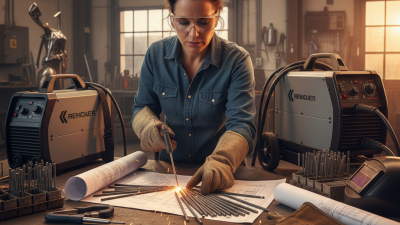
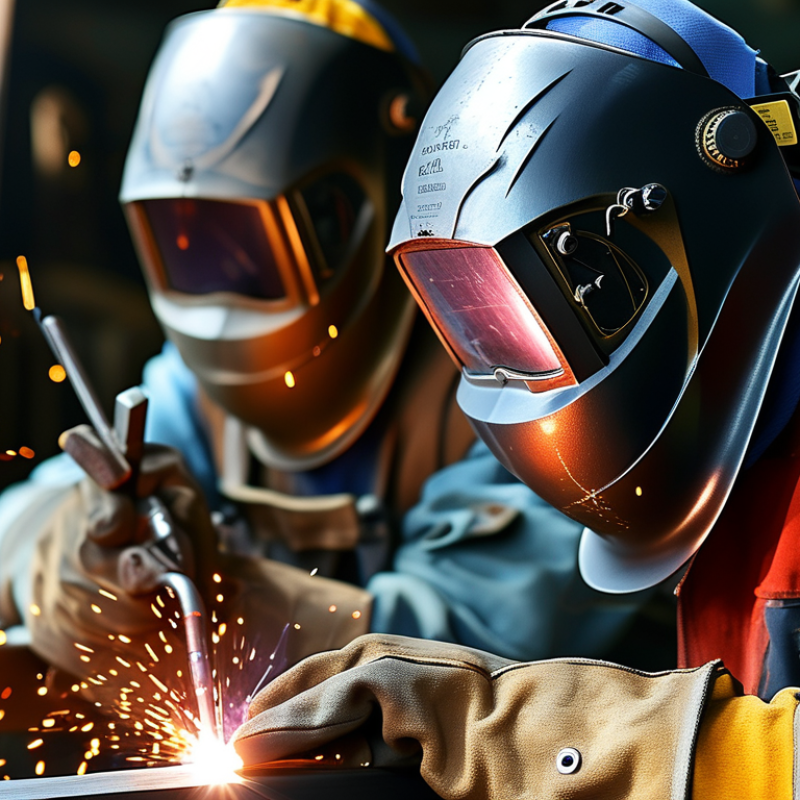
Wearing appropriate protective gear is essential. This includes fire-resistant clothing, gloves, and
welding helmets with proper eye protection. The American National Standards Institute (ANSI) emphasizes that nearly 80% of welding injuries are preventable through adequate safety measures.
Ensuring proper ventilation in welding areas also reduces exposure to harmful fumes.
It’s important to remember that not all welding environments are the same.
Variables like heat, electric exposure, and material types can dramatically affect safety. Regular inspection of equipment and adherence to safety guidelines can help identify potential hazards.
Reflecting on past incidents can lead to improved practices. Continuous education on new techniques and safety standards fosters a culture of awareness and protection in the workplace.