Stick Welding is a widely recognized process in the metalworking industry. It involves the use of a consumable electrode coated in flux. This technique offers impressive versatility and practicality, making it an attractive choice for global buyers. The benefits of Stick Welding extend beyond mere functionality. Many industries rely on it for its cost-effectiveness and ease of use.
The accessibility of Stick Welding makes it appealing to novice welders and experienced professionals alike. It can be performed in various environments, both indoor and outdoor. This flexibility often leads to quicker project completion times. However, it is essential to consider the skill level required for optimal results. Those new to Stick Welding may face challenges that experienced welders can navigate seamlessly.
Ultimately, understanding the advantages of Stick Welding can lead to more informed decisions for buyers around the world. Whether you’re in construction, repair, or manufacturing, Stick Welding can enhance your operations. Awareness of its benefits can drive innovation and efficiency in welding practices, but it is crucial to learn from any mistakes made along the way.
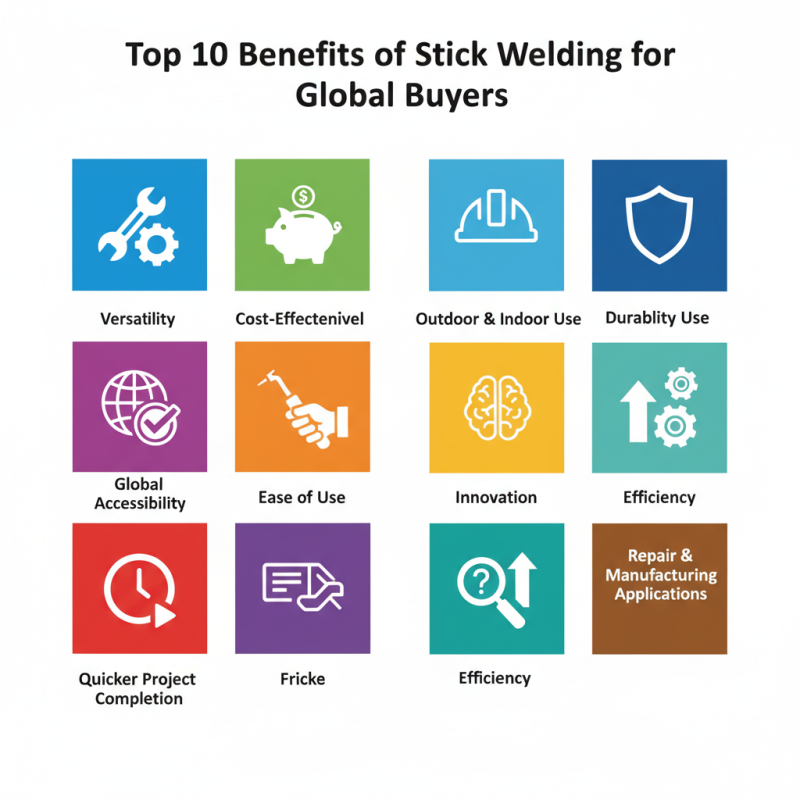
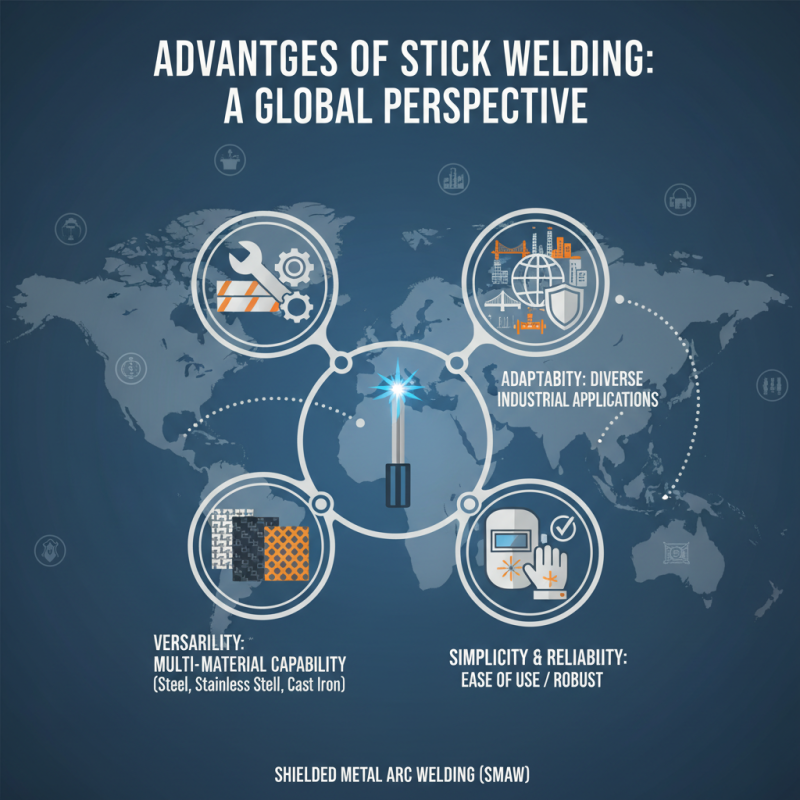
Stick welding, also known as Shielded Metal Arc Welding (SMAW), offers numerous advantages that resonate with global buyers. One key benefit is its versatility. Stick welding works effectively on various materials, including steel, stainless steel, and cast iron. This adaptability makes it a preferred choice for diverse industrial applications.
Moreover, stick welding is often praised for its portability. Equipment needed for this process is generally lightweight and easy to transport. This feature allows welders to work in remote locations with minimal setup time. In addition, stick welding performs well in challenging environments. It can be used outdoors and in windy conditions, where other welding methods may struggle.
Despite its advantages, challenges exist in mastering stick welding techniques. Welders must gain expertise in manipulating the electrode and adjusting the settings. The learning curve can be steep for beginners, requiring practice and patience. Even experienced welders can face issues like slag inclusion or poor arc stability. These concerns must be addressed for optimum results. Thus, developing skills in stick welding demands ongoing reflection and improvement.
Stick welding, also known as shielded metal arc welding (SMAW), presents a cost-effective solution for international buyers. The initial investment is relatively low. Equipment and materials are affordable, making it accessible for various budgets. Additionally, stick welding requires minimal setup and training. This makes it suitable for small-scale operations or businesses just starting.
Operational costs are also lower compared to other welding methods. Since stick welding does not require extensive external gas sources, users can save on consumables. Maintenance is straightforward, reducing the potential for costly repairs. Moreover, stick welding can be performed in diverse environments, including outdoor settings. This flexibility can lead to significant savings in logistics and facility costs.
However, challenges exist. The learning curve for achieving high-quality welds can vary among users. Inconsistent practices may lead to imperfections in the welds. International buyers should be mindful of this issue during training. While stick welding has its drawbacks, the overall cost-effectiveness makes it an appealing choice. Many find it a practical option for various welding projects. Regular evaluation of practices can help improve results over time.
Stick welding, also known as Shielded Metal Arc Welding (SMAW), is highly versatile, making it popular in various industries. Its adaptability enables it to work with different materials, including steel, stainless steel, and cast iron. This flexibility allows fabricators and manufacturers to use stick welding for structural components, pipelines, and maintenance work. In construction, it is often preferred for its ability to perform well in outdoor settings.
Tips: Ensure proper ventilation when working outdoors. This will minimize exposure to fumes and enhance safety for welders. Also, invest in high-quality electrodes; they can significantly improve weld quality. During welding, maintain a steady hand and a consistent travel speed for better results.
Stick welding is not without its challenges. Wind can disrupt the shielding gas, making it essential to monitor conditions. Operators should also be aware of the learning curve involved. Inexperienced welders may struggle with technique at first. Practice is critical to achieving clean welds and desired penetration. Finally, taking the time to learn various joint configurations can dramatically enhance the effectiveness of stick welding across different projects.
Stick welding, also known as shielded metal arc welding (SMAW), has become a popular choice among global welders for its simplicity and reliability. According to a report by the American Welding Society, about 40% of welders prefer stick welding due to its ease of use in various environments. This technique requires minimal equipment, which allows welders to start quickly, making it ideal for both beginners and experienced professionals.
The accessibility of stick welding also plays a crucial role in its popularity. Unlike more advanced welding methods, stick welding does not demand expensive machinery or complex setups. As per recent industry studies, approximately 30% of welders believe that this method reduces their operational costs significantly. Its portability means that welders can work in remote locations without needing an extensive power supply, which is critical for many construction and repair projects.
While the advantages are evident, some challenges remain. Stick welding requires a good understanding of techniques and safety practices. Beginners may struggle with maintaining the right arc length and electrode angle, which can lead to poor weld quality. Continuous practice and proper training are essential for improvement. Moreover, environmental factors like wind can affect the shielding, making it necessary for welders to adapt their techniques regularly. This adaptability is a skill that may take time to develop.
| Benefit | Description | Global Accessibility | Ease of Use |
|---|---|---|---|
| Cost-Effectiveness | Affordable equipment and materials compared to other welding methods. | High availability of affordable tools globally. | Beginner-friendly; minimal training required. |
| Portability | Welders can be used in various locations without complex setups. | Can be utilized in remote areas without consistent power supply. | Easily adjustable for quick use in field applications. |
| Versatility | Effective on a wide range of materials and thicknesses. | Useful across various industries; widely accepted techniques. | Different electrode options enhance adaptability. |
| Strong Welds | Creates durable and reliable joins even in adverse conditions. | Applicable in heavy-duty industries globally. | Quick techniques allow for immediate applications. |
| Ease of Setup | Set up requires minimal equipment; straightforward process. | Simple configurations for users worldwide. | Fast learning curve for initial users. |
| Low Maintenance | Less frequent repairs or replacements required. | Widely available spare parts facilitate maintenance. | Simple design minimizes upkeep efforts. |
| Adaptability to Conditions | Can be performed in windy or adverse outdoor environments. | Utilized in diverse geographical locations. | Operators can adjust techniques for varying conditions. |
| Safety Features | Allows for protective equipment and techniques to be easily implemented. | Training programs available globally to emphasize safe practices. | User-friendly precautions and safeguards. |
| Skill Development | Enhances a welder's skill set; fosters career growth. | Accessible training programs available around the world. | Hands-on experience allows for immediate improvement. |
| Community and Networking | Builds connections among welders; encourages knowledge sharing. | Global associations and groups facilitate networking. | Community resources enhance educational opportunities. |
Stick welding, or shielded metal arc welding (SMAW), offers remarkable durability and reliability in various conditions. According to the American Welding Society, stick welded joints can withstand extreme temperatures and corrosive environments. This makes them ideal for structures in coastal areas or heavy industrial settings. When properly executed, stick welding produces strong joints that exhibit high tensile strength, supporting demanding applications.
Having the right technique is crucial. Even experienced welders can face challenges. Factors like electrode angles and travel speed can affect weld quality. It's essential to practice consistently and learn from mistakes. An artisan's approach can enhance skill, but reflective practice is key to growth.
Consider this tip: always inspect your equipment. Well-maintained machines lead to better results. Ensure your electrodes are dry and stored correctly to avoid moisture absorption. The welding environment matters too; reduce wind effects when working outdoors for optimal results.