company

China Top Stick Welding Machine Manufacturers?

China’s Stick Welding machine sector has grown from basic workshop equipment into a competitive manufacturing field. Many Chinese suppliers now serve construction, repair, shipbuilding, agricultural, and maintenance markets worldwide. However, choosing a reliable manufacturer requires more than comparing prices. Product quality can vary noticeably.

A dependable evaluation should examine welding current stability, duty cycle, arc-start performance, thermal protection, and electrode compatibility. Look for clear technical specifications, traceable testing records, and practical after-sales support. ISO 9001 certification can support confidence, but it does not replace independent inspection or sample testing. Ask whether the manufacturer controls transformer production, inverter assembly, circuit-board testing, and final machine calibration. Small details matter. A loose terminal, noisy cooling fan, or unstable arc can quickly expose weak quality control.

Welding engineer Dr. Duane K. Miller has stated, “Welding quality begins with controlling the process.” That principle applies directly to Stick Welding equipment selection. A powerful machine is not automatically a reliable machine. The best choice should match electrode diameter, material thickness, input power, working environment, and operator skill. It should also perform consistently after repeated starts, not only during a showroom demonstration.

This guide examines China’s leading Stick Welding machine manufacturers through a practical lens. It considers manufacturing experience, product range, certifications, export capability, warranty policies, and user feedback. No ranking is perfect. Supplier information can change, and published claims may require verification. Buyers should request test videos, inspection reports, spare-parts details, and references before placing a large order. That extra step may prevent expensive downtime later.
China Top Stick Welding Machine Manufacturers?

What Is a Stick Welding Machine and How Does It Work?

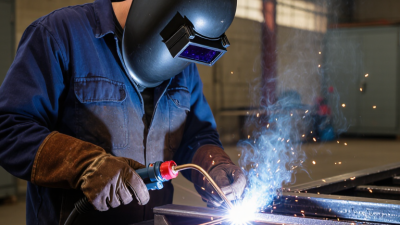
A stick welding machine, also called a shielded metal arc welder, joins metal using a consumable electrode. The electrode carries electric current and creates an intense arc between its tip and the workpiece. This arc melts both metals. The electrode coating produces shielding gas and slag, protecting the hot weld pool from air. Without that protection, welds can become porous and weak.

Most machines use an inverter or transformer to control welding current. The operator selects polarity, amperage, and electrode size according to the metal thickness and welding position. Direct current often gives a smoother arc, while alternating current can help reduce arc blow. In practical workshop use, correct amperage matters greatly. Too little current causes sticking and poor fusion. Too much current creates undercutting and excessive spatter. I still see experienced users adjust settings by habit, then forget that each electrode type behaves differently.

Tips: Clean rust, paint, oil, and moisture from the joint. Keep the electrode angle near 15 degrees in the travel direction. Maintain a short, steady arc length. Wear a suitable helmet, gloves, flame-resistant clothing, and proper ventilation. Practice on scrap steel first. Inspect the bead after cooling; an attractive surface can still hide weak penetration.ырҭა

Key Types of Stick Welding Machines Made in China

China Top Stick Welding Machine Manufacturers?

Chinese factories commonly produce several stick welding machine types for construction, repair, fabrication, and farm maintenance. Traditional AC transformer machines remain popular because they are simple, durable, and easy to repair. They suit basic welding with common electrodes, especially where stable workshop power is available. Their weakness is weight. Moving one across a jobsite can become tiring quickly.

Inverter stick welders are lighter and more efficient. Many use IGBT technology, digital current control, and thermal protection. DC inverter models usually provide a smoother arc and easier starts. They are useful for mild steel, stainless steel, and field repairs. Some Chinese manufacturers also make AC/DC combination units. These support a wider electrode range but usually cost more. Compact portable models are convenient, yet their small cooling systems may struggle during long welding cycles.

Multi-process machines add MIG or TIG functions beside stick welding. They can reduce equipment costs for workshops with varied tasks. However, extra functions do not always mean better performance. Check the rated duty cycle, input voltage, electrode diameter, protection rating, and service support. A high amperage number can be misleading. Real output under heat matters more. Testing an unfamiliar machine with several electrodes is wise, because arc stability may change noticeably. Specifications help, but practical verification still catches uncomfortable surprises.

China Top Stick Welding Machine Manufacturers? - Key Types of Stick Welding Machines Made in China
Machine Type Typical Output Range Power Supply Common Electrode Diameter Typical Duty Cycle Key Features Typical Applications Selection Considerations
Compact Inverter Stick Welder 120–200 A Single-phase, 220–240 V AC 1.6–3.2 mm Approximately 20%–40% at rated current Lightweight Portable Low energy consumption Easy arc starting Home maintenance, small workshops, farm repairs, light fabrication and installation work Check actual rated current, input-voltage tolerance, cooling design and compatibility with the intended electrode type
Heavy-Duty Inverter Stick Welder 250–400 A Single-phase or three-phase, commonly 220–380 V AC 2.5–5.0 mm Approximately 40%–60% at rated current High output Adjustable arc force Anti-stick function Thermal protection Structural steel work, machinery repair, construction sites, pipelines and general industrial fabrication Confirm generator compatibility, input-phase requirements, cable size and continuous-current performance
Dual-Voltage Portable Stick Welder 160–250 A Automatic or manual selection between 110/120 V and 220/240 V AC 1.6–4.0 mm Approximately 20%–40% at rated current Multi-voltage input Job-site flexibility Compact design Field service, maintenance teams, mobile repair, workshops with different electrical systems Verify output derating on lower input voltage and confirm plug, protection and grounding requirements
Three-Phase Industrial Stick Welder 300–630 A Three-phase, commonly 380–415 V AC 3.2–6.0 mm Approximately 60%–100% at rated current Stable output Long welding periods High thermal capacity Industrial enclosure Shipbuilding, steel structures, pressure-vessel fabrication, heavy machinery and production welding Evaluate factory power capacity, ventilation, duty-cycle test conditions and service access
AC/DC Stick Welding Machine 200–500 A Single-phase or three-phase input, depending on model 1.6–6.0 mm Approximately 35%–80% at rated current AC and DC output Broad electrode compatibility Arc polarity selection Repair shops, maintenance operations and applications requiring both alternating and direct current welding Check open-circuit voltage, polarity options, current stability and the required electrode classifications
MMA/TIG Combination Welder 160–250 A Single-phase, commonly 220–240 V AC Stick: 1.6–4.0 mm
TIG: up to approximately 3.2 mm tungsten
Approximately 25%–60% at rated current MMA mode Scratch or lift TIG Versatile Reduced equipment count Stainless-steel repair, thin-to-medium material fabrication, maintenance and workshop use Determine whether the TIG function supports gas control, high-frequency start or only basic lift/scratch starting
Engine-Driven Stick Welder 180–500 A Internal-combustion engine generator 2.5–6.0 mm Approximately 40%–100%, depending on engine and generator rating Independent power source Outdoor operation High mobility Remote construction, pipeline maintenance, agricultural repair and emergency field service Consider fuel consumption, noise, emissions compliance, weather protection and transport requirements
Digital-Controlled Stick Welder 200–400 A Single-phase or three-phase, depending on rated output 2.5–5.0 mm Approximately 40%–80% at rated current Digital display Preset parameters Arc-force adjustment Overload monitoring Professional workshops, repeat repair work, fabrication and applications requiring consistent settings Review control accuracy, memory functions, fault codes, software reliability and availability of replacement components
High-Frequency Inverter Stick Welder 160–315 A Single-phase or three-phase, commonly 220–380 V AC 1.6–5.0 mm Approximately 30%–70% at rated current High-frequency switching Fast response Reduced weight Power-efficient design General fabrication, construction repair, maintenance and mobile welding operations Check electromagnetic compatibility, cooling airflow, enclosure protection and performance under unstable voltage
Multi-Process Welding System with MMA Mode 200–350 A Single-phase or three-phase, depending on configuration MMA: 2.5–5.0 mm
MIG/MAG wire: commonly 0.8–1.2 mm
Approximately 30%–60% at rated current MMA MIG/MAG Optional TIG Flexible workflow Small and medium fabrication shops, maintenance departments and contractors handling varied materials Confirm included accessories, wire-feed capacity, gas-control arrangement, process changeover and service support

Leading Chinese Stick Welding Machine Manufacturers

China’s leading stick welding machine manufacturers serve construction, repair, shipbuilding, and agricultural maintenance markets. Their strength lies in scalable production, inverter technology, and cost-controlled supply chains. MarketsandMarkets estimates that the global welding equipment market could grow from about USD 16.6 billion in 2023 to USD 22.5 billion by 2028. This expansion supports continued demand for compact, dependable MMA machines.


The best Chinese manufacturers usually document compliance with IEC 60974-1 and operate under ISO 9001 quality systems. Buyers should examine more than factory photographs. Check duty-cycle tests, open-circuit voltage, thermal protection, electrode diameter range, and performance at unstable input voltage. A 200-amp machine may weld smoothly at 120 amps, yet struggle near its advertised limit. That detail matters on a remote job site.


Independent inspection can reveal practical differences. Ask for production samples, burn-in records, repair rates, and spare-parts availability. Some factories provide strong specifications but weak English manuals. That is a real purchasing risk. Industry reports from the International Institute of Welding also highlight productivity, energy efficiency, and operator safety as major equipment priorities. Chinese manufacturers are improving in these areas, although quality consistency can vary between production batches. Test before ordering in volume. Short trials prevent expensive assumptions.

How to Compare Chinese Welding Machine Manufacturers

China Top Stick Welding Machine Manufacturers?

How to Compare Chinese Welding Machine Manufacturers

Comparing Chinese welding machine manufacturers requires more than checking price. Examine factory experience, production capacity, and quality control records. Ask for clear specifications, test reports, and sample welds on similar steel thicknesses. A reliable supplier should explain duty cycle, output stability, thermal protection, and electrode compatibility without vague promises.

During practical evaluations, inspect the machine’s enclosure, cable connections, cooling path, and control labels. Loose terminals or uneven finishing may reveal rushed assembly. Test arc starting and restart performance with common electrodes. Measure actual output under load, because advertised power may not reflect workshop conditions. Review traceability for key components and ask how failed units are analyzed. A polished brochure can still hide weak after-sales support. That matters.

Tips: Compare identical specifications. Request a sample unit before bulk purchasing. Confirm warranty response times and spare-part availability in writing. Check whether technicians receive manuals, wiring diagrams, and safe operating guidance. Factory audits are useful, but they are not perfect. A short audit may miss seasonal problems. Recheck performance after repeated starts, voltage changes, and extended welding periods. Also compare packaging quality, because damaged switches or cracked panels can appear before installation. Reliable communication is another practical signal. Delayed answers may create bigger problems later.

Quality Standards and Buying Factors for Global Importers

China Top Stick Welding Machine Manufacturers?

For global importers, quality begins with documented control, not a factory’s sales presentation. Ask manufacturers to provide ISO 9001 records, IEC 60974-1 test reports, and applicable CE or EMC evidence. Requirements differ by destination. Confirm whether documents cover the exact model, voltage, and production batch. Ask for evidence.

A practical audit should examine incoming components, transformer insulation, circuit-board protection, grounding, and final-load testing. Request serial-number traceability and calibration records for testing equipment. A sample machine should weld mild steel with 2.5 mm, 3.2 mm, and 4.0 mm electrodes. Test it during voltage fluctuations, repeated starts, and extended duty cycles. Test under pressure. Check thermal protection, cooling-fan noise, cable temperature, and electrode-holder strength. Published duty-cycle figures can look impressive but may use optimistic laboratory conditions.

Buying decisions also depend on local operating realities. Confirm input voltage, frequency, plug standards, generator compatibility, enclosure protection, and spare-parts availability. Packaging needs moisture barriers, corner protection, and clear handling marks for long sea transport. Request an independent pre-shipment inspection when order quantities are significant. Review warranty response times, fault-report procedures, and technician training materials. One weakness remains common: importers sometimes compare only unit prices. That approach can ignore downtime, rejected batches, and difficult repairs. A lower-cost machine may become expensive after one busy season. Product documentation should be translated accurately, although small wording errors can still appear. Have a qualified local engineer review safety instructions before distribution.

China Top Stick Welding Machine Manufacturers: Quality Standards and Buying Factors

This 100-point reference model reflects the main factors global importers commonly review when comparing stick welding machines. Safety and conformity should be checked against applicable requirements such as IEC 60974-1 for arc-welding power sources and IEC 60974-10 for electromagnetic compatibility. Actual priorities may vary by application, destination market, and certification requirements.