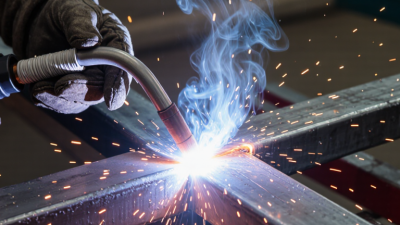
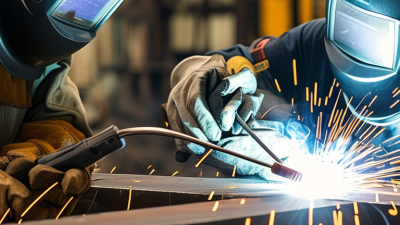
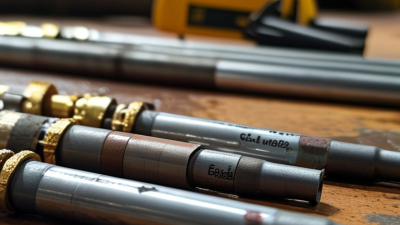
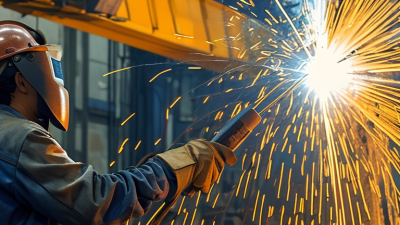
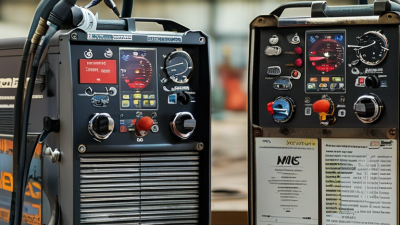
Choosing the right electrode begins with understanding Welding Rod Purpose, not simply comparing prices. Each rod is designed for specific metals, welding positions, current types, and strength requirements. A rod that performs smoothly on clean mild steel may struggle on painted, rusty, or damp surfaces.
Experienced buyers examine the base metal before opening a package. They check the welding position, joint design, material thickness, and available power source. AWS classifications can guide selection, but the manufacturer’s technical data sheet remains essential. It may specify polarity, amperage ranges, coating behavior, and storage conditions. Small details matter. A 3.2 mm rod stored in humid air can produce excess spatter, porosity, or unstable arcs. That creates rework, wasted time, and uncertain weld quality.
The seven tips in this guide connect product choice with practical workshop decisions. They cover rod classification, coating type, diameter, operating current, storage, package condition, and application suitability. These points reflect common purchasing checks used by fabricators and maintenance teams. Still, no guide replaces a qualified welder’s judgment or a procedure approved for the actual job. That limitation matters.
Buying habits also deserve honest review. Many people choose a familiar rod without checking whether the project has changed. I have seen a low-cost option become expensive after repeated grinding and repair. A careful buyer compares performance, documentation, shelf condition, and supplier reliability. The best choice is not always the strongest rod. It is the rod that matches the work.
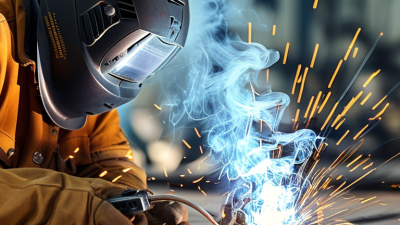
Welding rods do more than add metal. They can carry the arc, fill a joint, and help control penetration. In shielded metal arc welding, the coated rod melts while its flux forms protective gas and slag. This shielding reduces contamination from air. The coating also helps stabilize the arc during hand welding. Choose the rod diameter according to joint thickness, welding position, and available current. A large rod may overheat thin sheet. A small rod may require too many passes.
Different processes use “rods” differently. TIG welding normally uses a non-consumable tungsten electrode, while a separate filler rod supplies joint metal. MIG and flux-cored welding usually feed wire continuously instead of using stick rods. That difference matters when estimating material use, operator control, and equipment requirements. For stainless steel, carbon steel, or low-alloy work, the filler metal should match the base metal and service conditions. Check the welding procedure, not only the package label.
A practical buying check includes diameter, coating type, storage condition, and polarity requirements. Damp electrodes can produce unstable arcs and porous welds. Keep them dry as instructed. Fit-up still matters. Even the correct rod cannot rescue a dirty, poorly aligned joint. I sometimes focus too heavily on tensile strength and overlook position or restart behavior. That is a mistake worth reviewing. Watch the puddle, listen to the arc, and record which rod performs best on the actual joint.
7 Welding Rod Purpose Tips Every Buyer Should Know
Matching Rod Materials to the Metals Being Joined
A welding rod should match the base metal, not just the project’s appearance. Mild steel commonly uses carbon-steel electrodes designed for penetration and strength. E6010 and E6011 handle contaminated surfaces and deeper root passes. E6013 produces a smoother arc on cleaner, thinner steel. E7018 offers strong, low-hydrogen welds, but it needs careful moisture control. Check the required strength before choosing.
Stainless steel needs a compatible stainless filler, because the wrong alloy can cause cracking or corrosion. Aluminum requires aluminum filler matched to its alloy and welding process. Cast iron often needs nickel or nickel-iron rods for better machinability and reduced cracking. Copper alloys demand careful heat control. Their thermal conductivity can surprise inexperienced welders.
The rod diameter must suit the metal thickness and welding position. Thin sheet can burn through with an oversized electrode. Overhead welding may require a smaller rod and a controlled arc. Confirm polarity, amperage, and current type on the electrode package. SMAW rods are not automatically suitable for TIG or gas welding. Storage matters too, especially for low-hydrogen electrodes. I have seen good material fail after damp storage. That mistake is easy to prevent, yet often overlooked. When base-metal composition is uncertain, clean a small area and verify the alloy before buying a full box. Guessing can work once. It is not a reliable purchasing method.
Match the welding rod material and classification to the base metals being joined, service conditions, welding position, and required strength.
The chart compares common electrode classifications by the minimum tensile strength of their deposited weld metal. E6010, E6011, and E6013 are commonly used with carbon steel; E7018 is widely selected for carbon and low-alloy steel; E308L-16 and E316L-16 are designed for compatible stainless-steel grades. Always verify the applicable welding code, base-metal grade, polarity, current, position, and service requirements before purchasing.
Choosing a welding rod by diameter starts with the joint, not the package label. A 2.5 mm rod suits thin sheet, narrow root openings, and low-current machines. A 3.2 mm rod offers better deposition on medium sections. Larger rods need more amperage and room for manipulation. They can overheat a tight joint or burn through a thin edge.
Joint position changes the decision. For vertical-up and overhead work, smaller rods usually provide better puddle control. A wide groove may accept a larger rod for filling, while the root pass often needs a smaller diameter.
Low-hydrogen electrodes also demand dry storage and controlled exposure. Damp rods can increase hydrogen-related cracking risk, especially in restrained joints. AWS D1.1 and ASME Section IX require qualified procedures, so published amperage ranges should never replace a procedure test.
Site conditions matter. Long leads, cold steel, wind, and poor fit-up can reduce arc stability. The American Welding Society’s Welding Workforce Data 2023 projects a need for about 330,000 new welding professionals by 2026. That pressure may encourage shortcuts. I have made one myself: choosing a larger rod to finish faster. It created excessive spatter and a crowded bead. Slower was better.
Check material thickness, root gap, welding position, polarity, and preheat before buying. OSHA’s welding guidance also emphasizes ventilation and exposure control, which means rod selection must fit the work area, not only the joint.
Choosing a welding rod starts with the joint, not the lowest price. Tensile strength matters, but it does not guarantee a sound weld. A rod with high strength can still fail when the base metal, joint design, or heat input is unsuitable. Check the material grade, required strength, welding position, and available current before buying. For example, some low-hydrogen electrodes suit structural work, while fast-freezing rods handle awkward positions more effectively.
Coating type strongly affects welding performance. Cellulosic coatings create a forceful arc and deep penetration, which can help on dirty or rusty steel. Rutile coatings usually provide smooth arcs and easy slag removal. Low-hydrogen coatings reduce moisture-related cracking, but they require careful storage and controlled handling. Keep them dry. Damp electrodes may produce porosity, excessive spatter, or delayed cracking. The coating also influences arc stability, bead shape, and slag coverage.
Match the rod to the power source. Some electrodes run on direct current, while others support alternating current or both. Read the classification and manufacturer’s technical sheet carefully. I once selected a stronger rod for a repair and ignored its position limits. The weld looked attractive, yet penetration was inconsistent. That shortcut was wrong. Test the rod on similar scrap, inspect the bead profile, and watch for undercut, trapped slag, or uneven fusion. Welding performance is visible in the details: a steady arc, controlled puddle, clean slag release, and a bead that blends smoothly into both edges.
Checking Storage, Compatibility, and Purchase Specifications
A welding rod is not a universal filler. Match its classification, diameter, coating, and intended position to the joint. AWS A5.1/A5.1M defines key requirements for carbon-steel covered electrodes, including chemical composition, mechanical performance, and usability. ISO 2560 provides comparable specifications for non-alloy and fine-grain steel electrodes. Ask for the exact classification, not only “mild steel rod.”
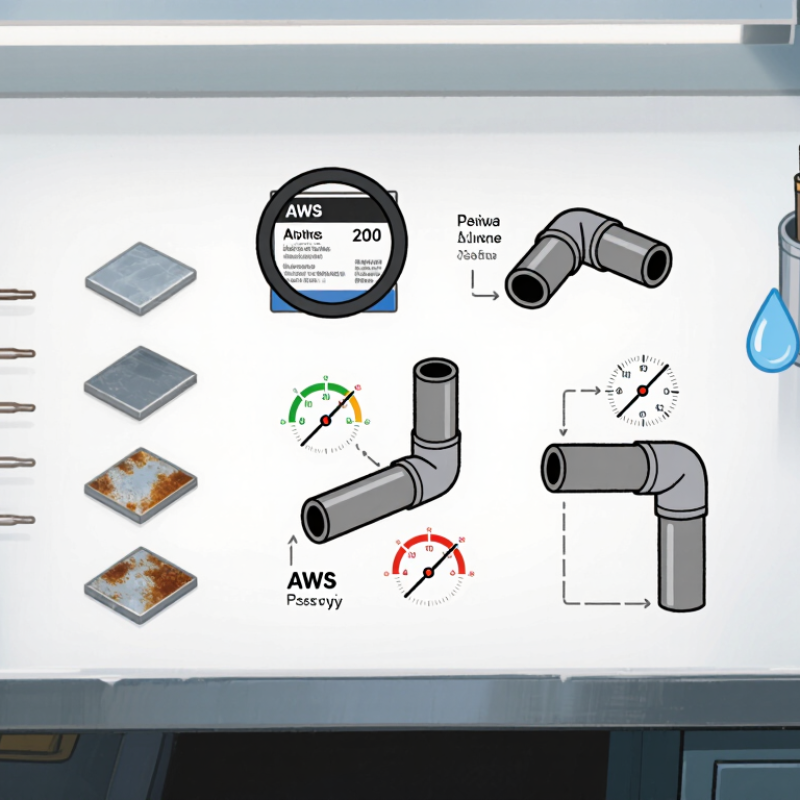
Storage changes performance. Keep low-hydrogen electrodes sealed until use, then follow the manufacturer’s reconditioning temperature and time. Moisture can increase hydrogen-related cracking risk. Store opened packs above the floor, away from condensation, and record opening dates. A dry shelf helps. It is not enough.
Check compatibility with the base metal, joint design, welding position, and power source. Electrode diameter affects deposition rate and access. A small diameter suits thinner sections and tight roots; larger rods need more current and clearance. Purchase documents should state classification, diameter, length, quantity, polarity, current range, and applicable test certificates. AWS quality guidance emphasizes traceability and controlled storage for reliable production work.
One purchasing error deserves attention: choosing by price alone. A cheaper box may contain unsuitable sizes, unclear storage history, or incomplete certification. I would also question every neat assumption. Shop conditions, operator skill, and actual fit-up can change the result. Inspect coating condition before use, and reject rods with chipped coverings, rust, damp packaging, or missing identification.