Choosing among China’s best Stick Welding machine manufacturers requires more than comparing prices. Buyers need reliable equipment, practical factory experience, and clear technical support. A strong manufacturer should provide stable arc performance, durable components, accurate specifications, and consistent quality control. These details matter on a busy workshop floor, where dust, long cables, and repeated starts can expose weak designs quickly.
Experienced buyers often inspect welding current range, duty cycle, input voltage, cooling methods, and electrode compatibility. They also ask for production records, certifications, inspection procedures, and honest warranty terms. A dependable supplier should explain whether its machines suit maintenance work, construction sites, fabrication shops, or occasional repairs. Factory photographs, sample testing, and video demonstrations can offer useful evidence. They should not replace independent verification.
Some comparisons remain imperfect. A polished website does not prove dependable performance. A low price may hide limited after-sales service, inconsistent components, or difficult replacement-part access. Buyers should request test results under realistic conditions, such as welding thick steel plates for several minutes. Small details matter. Does the machine start smoothly? Does the handle stay cool? Can technicians respond clearly when a fault appears?
This guide reviews leading Chinese manufacturers through product capability, manufacturing experience, quality assurance, customization options, and buyer support. It aims to help importers and professional users make a careful decision, not simply choose the cheapest quotation. Market information can change, and supplier claims require verification. For that reason, each shortlist should be checked against current samples, documented specifications, and the buyer’s actual working environment.
China Best Stick Welding Machine Manufacturers for Buyers
What Is a Stick Welding Machine and How Does It Work?
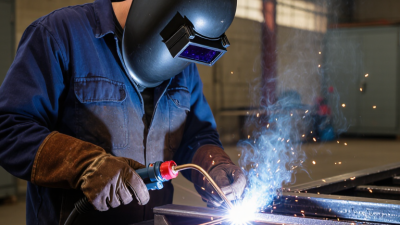
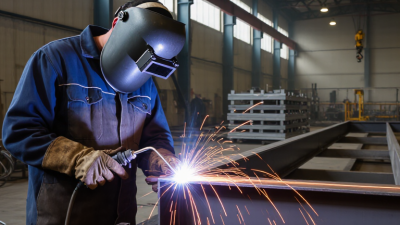
A stick welding machine uses a consumable electrode to join metal with heat from an electric arc. The electrode has a flux coating that produces shielding gas and slag during welding. This protection helps reduce contamination from surrounding air. The operator connects an electrode holder and a ground clamp to the machine. When the electrode touches the workpiece, the circuit closes and creates an arc. That arc melts the electrode and the joint surface. As the weld cools, the operator chips away the hardened slag.
Stick welding works well outdoors, especially where wind affects gas-shielded processes. It can handle rusty steel and thicker materials, but surface preparation still matters. A practical test includes checking arc stability, cable heating, and electrode control. Some machines feel smooth, while others produce more spatter. That difference may seem minor, yet it affects productivity and training time.
Tips: Select current by electrode size and metal thickness. Keep the ground clamp on clean metal. Hold a steady arc length. Wear a proper helmet, gloves, and flame-resistant clothing. Ventilation is essential, even outdoors. Beginners often move too quickly; I have made that mistake myself. The bead then looks narrow, uneven, and weak. Product specifications deserve careful review, but hands-on welding trials reveal limitations that brochures may not show.
When comparing Chinese stick welding machine manufacturers, buyers should examine output stability, duty cycle, and service evidence. MarketsandMarkets valued the global welding equipment market at about USD 15.6 billion in 2023. Its report expects continued growth through 2028, driven by construction and industrial repair. That growth increases supplier choice, but not every datasheet tells the full story.
Request test records for arc stability, electrode performance, and thermal protection. A machine rated at 250 amperes with a 60% duty cycle should weld for six minutes within a ten-minute period. Verify the test temperature and standard used.
Input flexibility matters on busy job sites. Compare voltage tolerance, generator compatibility, cooling design, and cable quality. IEC 60974-1 provides a useful reference for arc welding power sources.
Ask whether production testing follows this standard or only internal procedures. Check the enclosure rating, especially where dust and moisture are common. Independent inspection reports add credibility. So does a clear spare-parts list.
Tips:
Ask for a sample unit before a large order. Record its actual amperage with a calibrated meter. Compare the result with the nameplate claim. Also inspect the torch connector, fan noise, and electrode restart behavior. These small details reveal practical quality. A low price is tempting, but it can hide shorter cables or weak after-sales support. I have found that spreadsheets miss usability problems. A machine may meet its headline specification and still feel unstable during repeated field work. Examine warranty terms, response times, and technician training before choosing a manufacturer.
Leading Chinese welding machine manufacturers serve construction, repair, farm, and fabrication buyers worldwide. Their strongest products often combine compact inverter design with stable arc performance. Many factories use IGBT technology, copper windings, and reinforced cooling channels. These details matter when welding thick steel beside dust, heat, or unstable power. Reliable manufacturers also provide load testing, insulation checks, and sample welding records before shipment. Still, product quality can vary between production batches. A polished catalog is not enough evidence.
Look for machines with clear duty-cycle ratings, adjustable current control, and practical overload protection. A 200A unit may perform differently under continuous workshop use. Ask for test videos, technical drawings, and inspection documents. Check whether the stated input voltage matches your local supply. Service support also matters. Spare cables, electrode holders, and cooling fans should be easy to replace.
Tips: Compare real duty-cycle data, not only maximum amperage. Request a sample before large orders. Test arc starts, bead appearance, cable heating, and noise. Keep written records. They reveal small issues.
Some manufacturers offer private labeling and flexible packaging for distributors. That can reduce launching costs, but communication gaps may affect consistency. Confirm component changes in writing. A cheaper model may save money initially, yet unstable output can increase rework and electrode waste. Good buying decisions come from factory audits, controlled samples, and honest technical questions.
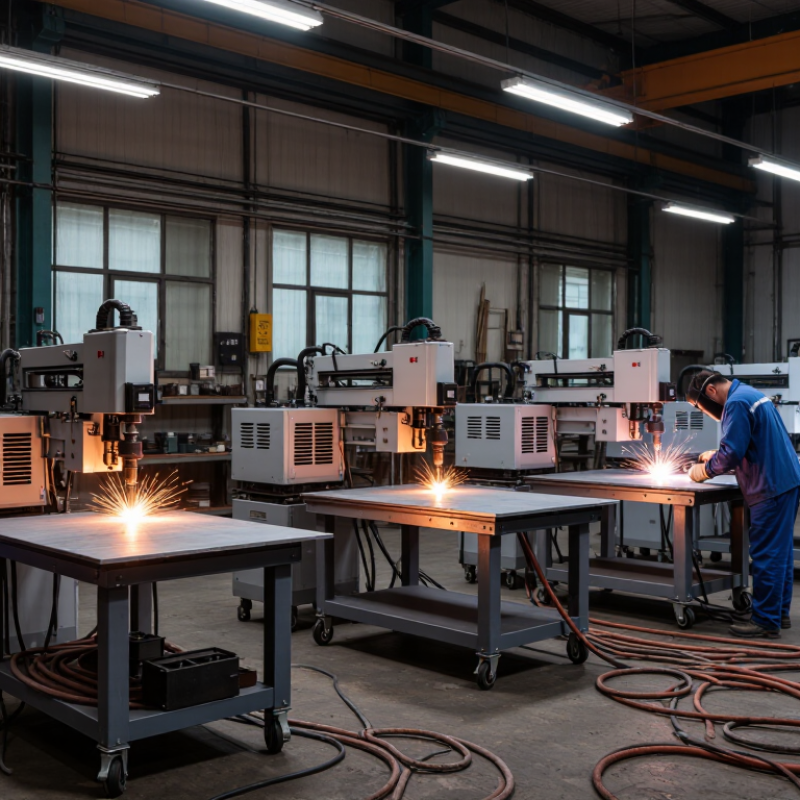
Evaluating a stick welding machine factory requires more than checking catalog photos. In factory audits, buyers should inspect transformer construction, copper winding quality, insulation, cooling paths, and rated duty cycle. Ask the manufacturer to demonstrate continuous welding under a realistic load. Watch the electrode stability, arc response, heat rise, and cable connection temperature. A clean workshop helps, but it does not prove consistent production.
Certifications need careful verification. Request current certificates, test reports, and product models that exactly match the machine being purchased. IEC 60974-1 may support electrical safety and performance claims, while ISO 9001 indicates a quality management system. Neither certificate replaces independent testing. Check the issuing body, validity period, factory address, and scope. A certificate with mismatched model numbers is a warning sign.
Tips: Request a sample unit before placing a large order. Record output current, duty cycle, idle voltage, and protection performance during testing. Review incoming-material records, final inspection sheets, calibration logs, and complaint handling procedures. Factory capability also includes spare parts, operator training, packaging tests, and production traceability. A polished showroom can still hide weak process control. No checklist is perfect. I would revisit uncertain results, because one impressive welding trial may not represent every production batch.
China Best Stick Welding Machine Manufacturers for Buyers
Buying a stick welding machine requires more than comparing amperage and price. According to MarketsandMarkets, the global welding equipment market is projected to grow steadily through 2028. That growth reflects demand for reliable, efficient equipment. Ask manufacturers for duty-cycle test records, thermal protection details, input-voltage tolerance, and electrode size compatibility. A 200-amp rating means little without its rated duty cycle. Request sample welds on your actual steel thickness. Pictures are not enough.
Customization can include cable length, plug type, digital displays, enclosure design, and private-label manuals. Confirm whether changes affect spare-part compatibility. IEC 60974-1 is a useful reference for arc-welding equipment safety and performance. Still, compliance documents should match the exact model, not a similar product. I have seen buyers accept incomplete test files. That mistake becomes expensive later. A pre-shipment inspection should check output current, insulation, grounding, accessories, and packaging strength.
Shipping deserves equal attention. UNCTAD reports that maritime transport carries over 80% of global merchandise trade by volume. Request shock-resistant cartons, moisture protection, serial-number tracking, and clear pallet dimensions. Compare sea, rail, and air options using total landed cost, not freight alone. After-sales support should include fault codes, wiring diagrams, response times, and stocked replacement parts. A practical warranty is measurable. Ask who pays for diagnosis and replacement shipping. Some suppliers promise fast support, but their service process remains vague. That deserves careful questioning.
Typical welding-current ranges by electrode diameter for purchase planning and machine selection
Larger electrodes generally require higher welding current and a machine with greater output capacity. When comparing manufacturers, buyers should also confirm customization options, input voltage compatibility, export packaging, shipping terms, spare-parts availability, warranty coverage, and after-sales technical support. The current ranges shown are typical SMAW reference values; the exact setting depends on electrode type, material, welding position, and manufacturer instructions.