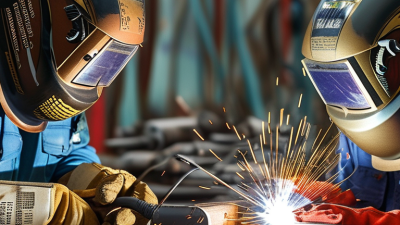
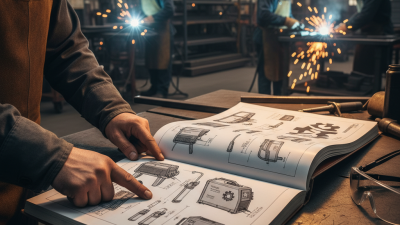
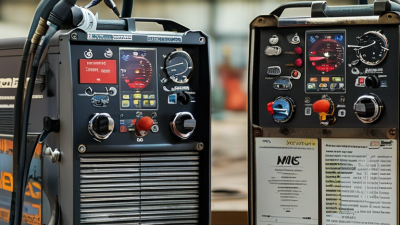
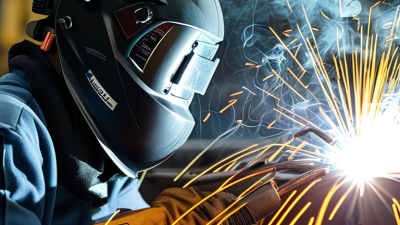
Choosing the right equipment can shape weld quality, production speed, and long-term operating costs. This matters when buyers compare machines across unfamiliar suppliers and markets. A clear Welding Machine Catalogue should do more than display product photos. It should explain output range, duty cycle, input power, welding processes, controls, accessories, and service support.
John C. Villafuerte, a recognized welding engineer and author, has expressed a practical principle: “The best welding equipment matches the process, the material, and the production reality.” That idea guides this selection of ten catalogue picks. A compact inverter may suit field repairs, while a high-duty MIG system may serve a fabrication line with continuous steel frames. Small details matter. Cable length matters. So does cooling.
Global buyers also need evidence, not impressive wording. They should check test reports, warranty terms, spare-part availability, voltage compatibility, and operator training. A machine listed as “industrial” may still perform poorly under heavy daily use. That is an uncomfortable possibility, but it deserves attention. Catalogue data can be incomplete, and buyers may need to request clarification before placing an order.
These recommended picks balance technical capability, practical usability, documentation quality, and supplier reliability. They are not universal answers. Workshop conditions differ. Yet each option offers a useful starting point for comparing machines with clearer expectations and fewer costly surprises. The strongest purchase is rarely the cheapest one. It is the machine that continues producing stable welds after the catalogue promises have been tested.
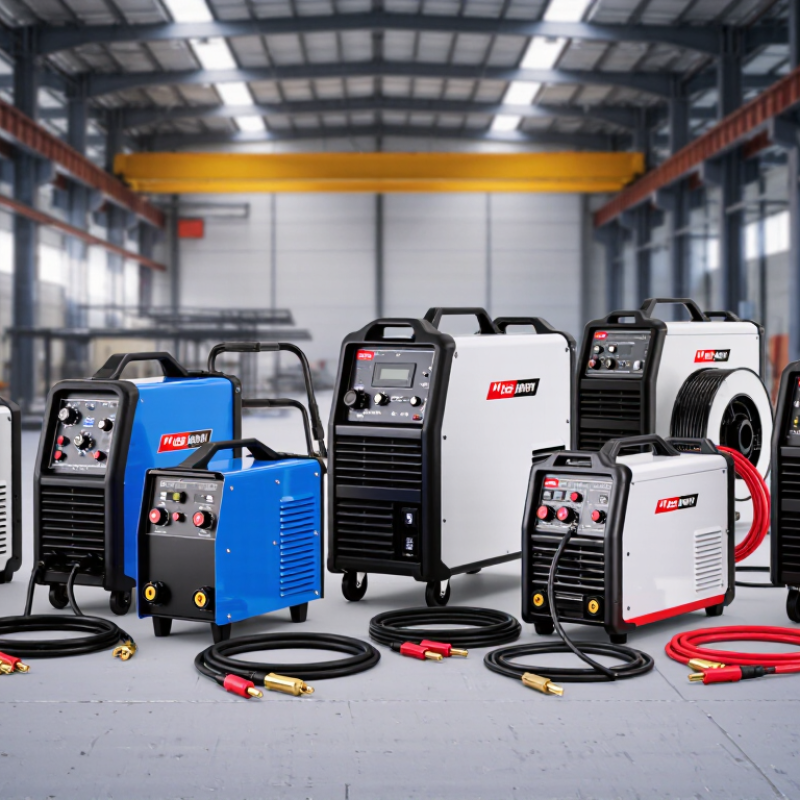
A suitable welding machine for global buyers must perform reliably across different workshops, climates, and power systems. Input voltage flexibility matters because electrical supplies vary between regions. Frequency compatibility also prevents unstable starts and uneven arcs.
In practical evaluations, duty cycle reveals more than peak output. A machine rated for continuous work should handle repeated welds without overheating. Clear control panels help operators adjust current quickly, even when gloves limit finger movement. Buyers should also check cooling performance, cable quality, electrode compatibility, and the availability of replacement parts. A compact frame helps with transport, but excessive lightness can suggest weaker internal components. This is not always true, but it deserves inspection.
Tips: Request test data before ordering. Confirm voltage, frequency, duty cycle, protection rating, and included accessories. Ask for manuals in clear language. Check whether local technicians can service the unit. Photograph the connection points before installation. Small details prevent expensive delays. A catalogue may list impressive specifications, yet real performance can change with cable length, ambient heat, and operator skill. Allow room for this uncertainty.
When comparing welding machine catalogue picks, start with measurable specifications, not glossy photographs. Record process type, rated output, input voltage, duty cycle, and compatible electrode or wire diameters. A 200-amp rating means little without its duty-cycle test point. For example, 60% at 200 amps describes a different working capacity than 100% at 160 amps. Check the test standard, too. ISO 60974-1 provides a useful reference for arc-welding power-source performance and safety.
Market context also matters. MarketsandMarkets’ Welding Equipment Market report projected growth from about USD 14.7 billion in 2023 to USD 18.5 billion by 2028. That expansion reflects demand for automation and efficient production, but it does not make every catalogue model suitable.
The International Federation of Robotics reported 541,302 industrial robots installed worldwide in 2023. Buyers planning robotic welding should therefore inspect communication interfaces, repeatability, cooling method, and feeder compatibility.
Power quality deserves close attention. A machine designed for three-phase industrial input may perform poorly on an unstable workshop supply. Check generator compatibility, permissible voltage fluctuation, thermal protection, enclosure rating, and local electrical requirements. IP ratings need careful reading. They do not measure weld quality. I would also request independent test records, warranty terms, spare-part lead times, and service response targets. Catalogue data can be incomplete. That is worth admitting. A lower purchase price may become expensive when cables, torches, regulators, software, or operator training are added.
Ten welding machines serve different industrial applications, and each choice should match the joint, material, and working environment.
A transformer stick welder suits repair yards and construction sites with limited power quality.
An inverter stick welder is lighter and offers better control for mobile maintenance.
A MIG/MAG machine supports fast production on carbon steel and structural frames.
Its wire feeder needs reliable protection in dusty workshops.
A TIG machine delivers clean, precise welds on stainless steel, aluminum, and thin components.
Slow work, but excellent control.
For heavy plate, a submerged arc machine provides deep penetration and consistent long seams.
An engine-driven welder helps field crews repair pipelines, agricultural equipment, and remote steelwork.
An AC/DC TIG unit handles varied metals and reduces setup changes.
A resistance spot welder fits automotive panels and sheet-metal assemblies.
A stud welder attaches fasteners without drilling through the base material.
An orbital pipe welder improves repeatability on process piping, especially where heat input must remain controlled.
Laser welding equipment can produce narrow, low-distortion seams for precision fabrication.
However, it demands trained operators, guarded work areas, and carefully verified procedures.
That detail is easy to overlook.
Buyers should compare duty cycle, input voltage, output range, cooling method, and spare-part access.
Local electrical rules and workplace safety requirements also matter.
A machine can appear powerful yet perform poorly with unstable gas flow or unsuitable consumables.
I have seen purchasing teams prioritize price and later replace feeders, torches, or cooling units.
A smaller, serviceable machine may be the more dependable catalogue pick.
10 Best Welding Machine Catalogue Picks for Global Buyers
When reviewing welding machine catalogues, start with the joint, not the machine’s advertised output. MIG/MAG suits steady fabrication and clean workshop work. TIG gives precise control on thin stainless steel, aluminum, and visible seams. Stick welding remains practical outdoors, especially where wind makes shielding gas unreliable. I have seen buyers choose TIG for heavy frames, then struggle with slow production. Fit matters. Process suitability matters more than a long feature list.
Power selection should match material thickness, input supply, and site conditions. A 200-amp unit may handle many repairs, but thick plate can demand higher output and suitable electrodes. Think beyond amps. Check whether the catalogue lists input voltage tolerance, phase requirements, and generator compatibility. These details prevent unpleasant surprises at a remote job site. Ask about cable length, torch cooling, spare parts, and local service response. A low purchase price can become expensive when one small connector delays work.
Duty cycle deserves a realistic reading. A rating of 60% at 200 amps usually means six welding minutes within a ten-minute period, under stated test conditions. Hot workshops, long leads, and high ambient temperatures may reduce practical performance. Leave a margin instead of buying at the limit. I once treated catalogue figures as fixed promises; that was too optimistic. Compare ratings at your actual current, not only the maximum number. Record expected daily hours and weld length before choosing. Also verify safety certifications accepted in the destination market, since requirements differ across regions.
Choosing a welding machine from a catalogue requires more than comparing output power and price. Global buyers should verify certifications for the exact model, not just the supplier’s general paperwork. Check electrical safety reports, conformity documents, and test records from recognized bodies. A certificate with an unclear issue date deserves caution. So does a copied document.
After-sales support can determine whether a machine earns money or sits idle. Ask for a clear warranty period, digital manuals, wiring diagrams, and spare-part availability. In my sourcing experience, a supplier’s response within one business day is useful, but technical accuracy matters more than speed. Request sample answers for fault codes and torch problems. Small details reveal practical knowledge. Remote training can also reduce errors during installation.
Shipping costs often change the real purchase price. Confirm crate dimensions, gross weight, delivery terms, customs codes, and destination voltage before payment. A machine that looks inexpensive may require expensive freight or a transformer. Calculate the landed cost, including duties, consumables, replacement parts, and possible service visits. Do not trust the first quotation completely. I have seen buyers overlook cable lengths and grounding kits, then spend more after delivery. That mistake is avoidable, though every project has unknowns. Keep a written checklist and ask the supplier to confirm each item.
| Catalogue Pick | Primary Process | Typical Output and Input | Typical Duty Cycle | Recommended Applications | Relevant Certifications or Standards | Support and Documentation | Typical Shipping Profile | Typical Global Price (USD) |
|---|---|---|---|---|---|---|---|---|
| 1. Compact Inverter MMA 200 A | Shielded Metal Arc Welding (MMA/SMAW) | 20–200 A; 220–240 V single-phase; 50/60 Hz | 25–60% at rated output, depending on enclosure and ambient temperature | Maintenance, construction, farm repair, steel fabrication, and field work | CE where applicable EMC/LVD compliance IEC 60974-1 reference | 12–24-month limited warranty is common; digital manual, spare electrode holder, earth lead, and multilingual safety instructions should be requested | Air: approximately 5–10 business days; sea: approximately 25–45 days; compact carton packing usually reduces freight cost | $120–$450 |
| 2. AC/DC TIG 200 A | GTAW/TIG with AC and DC modes; MMA backup mode | 5–200 A; 220–240 V single-phase; high-frequency start typically available | 25–40% at 200 A is common in portable catalogue units | Stainless steel, aluminium, pipework, bicycle frames, precision fabrication, and repair work | CE where applicable EMC/LVD compliance IEC 60974-1 reference | Confirm torch consumable availability, foot-pedal compatibility, gas-flow specifications, wiring diagrams, and after-sales troubleshooting procedures | Air: approximately 7–14 business days; sea: approximately 25–45 days; gas torch and accessories may require separate protective packaging | $450–$1,400 |
| 3. Single-Phase MIG/MAG 250 A | GMAW/MIG/MAG with solid wire and optional flux-cored wire | 30–250 A; 220–240 V single-phase; 0.6–1.0 mm wire is commonly supported | 30–60% at rated output, depending on wire speed and thermal conditions | Light structural steel, vehicle repair, gates, furniture, and general fabrication | CE where applicable EMC/LVD compliance IEC 60974-1 reference | Look for wire-feed calibration data, compatible spool sizes, spare liner and rollers, gas-polarity guidance, and a documented warranty process | Air: approximately 7–14 business days; sea: approximately 30–45 days; palletized shipping is often preferred | $500–$1,600 |
| 4. Multi-Process Inverter 200 A | MMA, DC TIG, and MIG/MAG in one platform | 20–200 A; 220–240 V single-phase; wire sizes commonly 0.8–1.0 mm | 25–50% at rated output is typical for portable multi-process designs | Small workshops, mobile contractors, training centers, and mixed repair tasks | CE where applicable EMC/LVD compliance IEC 60974-1 reference | Prioritize clear mode-change instructions, replacement control boards, consumable lists, service videos, and local repair-part availability | Air: approximately 5–12 business days; sea: approximately 25–45 days; accessory kits can increase dimensional weight | $350–$1,200 |
| 5. Air Plasma Cutter 60 A | Plasma arc cutting | 20–60 A; 220–240 V single-phase; compressed-air supply commonly required | 35–60% at maximum rated current is common | Carbon-steel sheet, stainless steel, aluminium, vehicle panels, and fabrication preparation | CE where applicable EMC/LVD compliance IEC 60974-1 reference | Check torch duty rating, consumable interchangeability, air-pressure requirements, cutting charts, pilot-arc design, and replacement torch availability | Air: approximately 5–12 business days; sea: approximately 25–45 days; consumables should be sealed separately to prevent damage | $300–$1,100 |
| 6. Engine-Driven Welder 250 A | Engine-driven MMA with auxiliary generator output | Up to approximately 250 A welding output; petrol or diesel engine; 120/230 V auxiliary output varies by configuration | 40–100% depending on welding current, engine size, and fuel system | Remote construction, pipeline maintenance, utility work, emergency repair, and sites without grid power | CE where applicable Engine emissions rules Electrical safety requirements | Confirm engine service intervals, parts supply, battery and fuel-system support, noise data, operating manual, and regional emissions documentation | Sea freight: approximately 30–60 days; dangerous-goods and fuel-system declarations may apply; crated shipping is normally required | $2,500–$8,000 |
| 7. Three-Phase MIG/MAG 350 A | Industrial GMAW/MIG/MAG with pulse or synergic control options | 40–350 A; 380–415 V three-phase; 1.0–1.2 mm wire commonly supported | 40–60% at rated output is typical for workshop equipment | Heavy fabrication, structural steel, trailers, machinery frames, and production workshops | CE where applicable EMC/LVD compliance IEC 60974-1 reference | Require parameter sheets, service-mode instructions, feeder spare parts, torch compatibility details, and remote technical support during commissioning | Sea: approximately 30–60 days; air freight is possible but expensive; pallet or wooden-crate protection is recommended | $1,200–$4,500 |
| 8. Pneumatic Resistance Spot Welder 16 kVA | Resistance spot welding | Approximately 16 kVA; water-cooled transformer and electrode arms are common; 380–415 V three-phase configurations are available | Production-oriented; cycle rate depends on material, sheet thickness, cooling, and controller settings | Sheet-metal assemblies, vehicle body repair, appliance panels, and light industrial production | CE where applicable EMC/LVD compliance IEC 62135 reference | Confirm electrode geometry, transformer cooling requirements, pneumatic pressure range, controller settings, spare arms, and operator training materials | Sea: approximately 35–65 days; heavy crated equipment may require lift-gate or forklift delivery at destination | $2,000–$7,500 |
| 9. Capacitor-Discharge Stud Welder 1,600 A | Capacitor-discharge stud welding | Up to approximately 1,600 A peak current; 110–240 V input options are common | Short-cycle operation; output depends on stud diameter, base material, and capacitor capacity | Insulation pins, thin-sheet fastening, automotive panels, HVAC ductwork, and sign fabrication | CE where applicable EMC/LVD compliance IEC 60974-1 reference | Check compatibility with stud diameters, gun cable length, collet sizes, calibration instructions, replacement capacitors, and operator safety guidance | Air: approximately 5–12 business days; sea: approximately 25–45 days; sensitive control components need moisture-resistant packing | $900–$3,500 |
| 10. Automatic Submerged Arc Welding System 1,000 A | Submerged Arc Welding (SAW) | 100–1,000 A; usually 380–415 V three-phase; wire diameters commonly 2.0–4.0 mm | 60–100% at rated output when properly cooled and integrated with a suitable travel system | Long straight welds, pressure-vessel components, beams, tanks, shipbuilding, and heavy fabrication | CE where applicable EMC/LVD compliance IEC 60974-1 reference | Request welding-procedure guidance, flux and wire compatibility data, travel-car manuals, feeder spare parts, commissioning support, and operator training | Sea: approximately 40–75 days; multi-piece systems usually require reinforced crating, installation planning, and destination handling equipment | $8,000–$30,000+ |