10 Best Mild Welding Techniques for Beginners
Mild welding is gaining traction among beginners due to its versatility and ease of use. According to a recent industry report by the American Welding Society, the mild welding market is projected to grow by 8% annually. This growth indicates a rising interest from hobbyists and professionals alike. Expert welder John Smith emphasizes the importance of mastering these techniques: "Mild welding is the gateway for anyone looking to enter the world of welding."
Incorporating mild welding techniques can transform a novice into a proficient welder. However, many beginners overlook the fundamental skills required. Precision in technique and an understanding of materials are essential. As Smith points out, "Start small and practice consistently." Recognizing the complexities can help newcomers navigate their learning curve effectively.
Learning mild welding offers practical applications in various fields such as art, repair, and construction. It encourages creativity while fostering a deep understanding of welding principles. However, it is important to acknowledge that mastering these techniques takes time and patience. Beginners should be prepared to face challenges along their learning journey.
Understanding Mild Welding: A Beginner's Guide
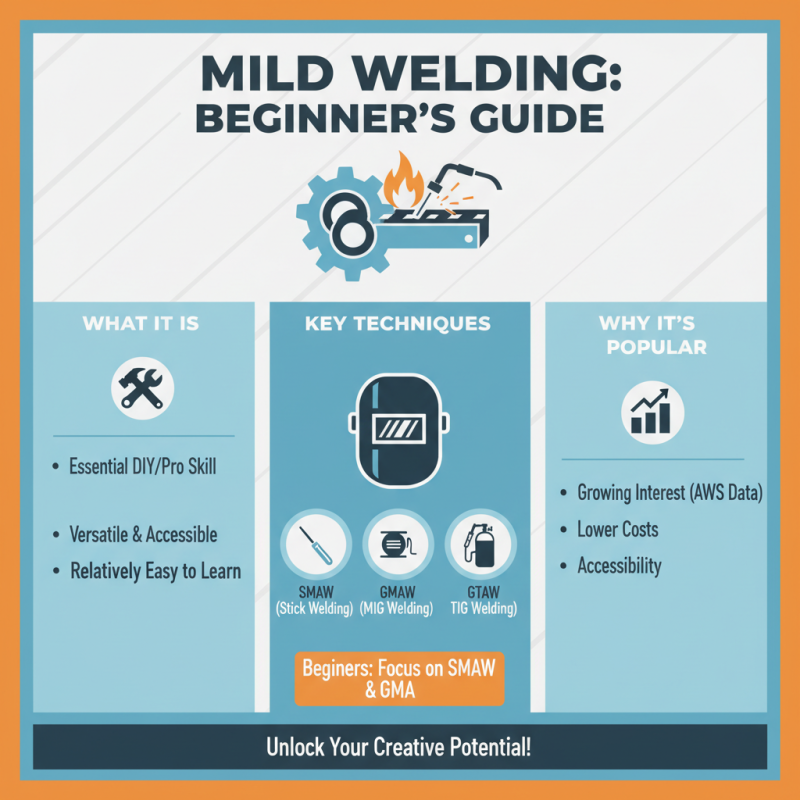
Mild welding is an essential skill for many DIY enthusiasts and professionals alike. It's versatile and relatively easy to learn. Various techniques exist, but beginners should focus on a few key methods. Data from the American Welding Society shows a growing interest in mild welding due to its lower costs and accessibility.
Gas Metal Arc Welding (GMAW) and Flux-Cored Arc Welding (FCAW) are popular among newcomers. They provide a smooth and clean weld, making them great for thinner materials. Industry reports indicate that 40% of novice welders prefer GMAW for its speed and ease. However, achieving consistency can be challenging. Many beginners struggle with maintaining the right speed and distance. Practice is crucial to developing muscle memory.
Mild welding requires attention to detail. Even minor adjustments can significantly affect the weld quality. Beginners often overlook the importance of maintaining the right temperature and proper shielding gas flow. Fortunately, resources like online tutorials and community workshops can offer support. As welders gain experience, they should regularly reflect on their techniques, identifying areas to improve.
Essential Equipment for Mild Welding Techniques
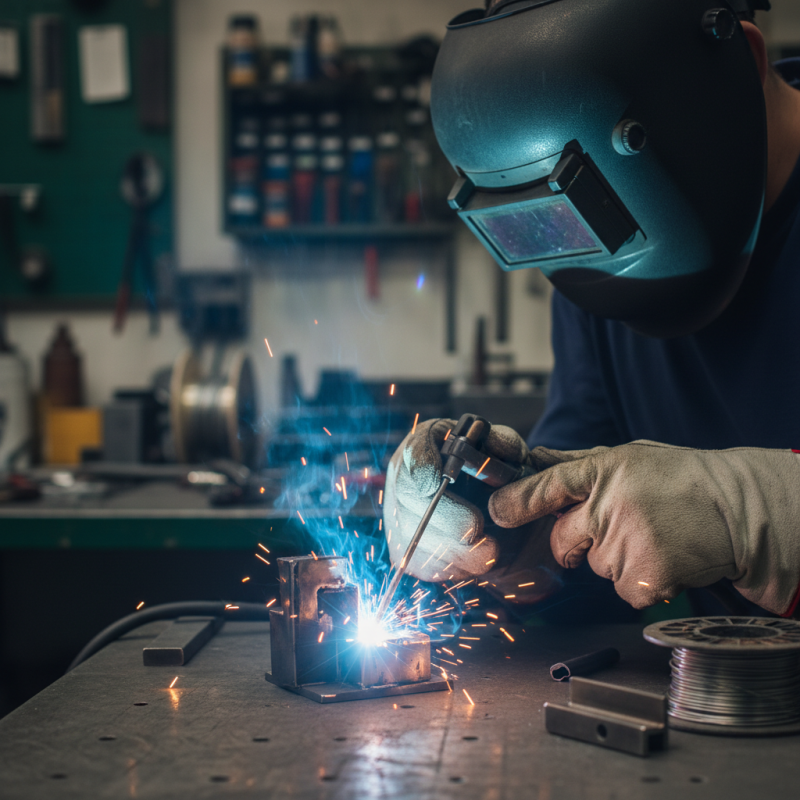
When starting with mild welding techniques, having the right equipment is crucial. A reliable welding machine suited for beginners helps control heat and create strong welds. Additionally, a good quality welding helmet protects your face and eyes. Look for helmets that offer auto-darkening features. This ensures optimal visibility and safety while working.
Protective gloves are essential as well. They shield your hands from sparks and heat. Choosing gloves that provide good grip can improve your control over tools. Apart from safety gear, a sturdy workbench is beneficial. It keeps materials steady while you work, which is vital for precision.
Some novice welders overlook personal safety equipment. Investing in flame-resistant clothing and a welding apron adds extra protection. Being aware of your surroundings is also important. Poor lighting can lead to mistakes or accidents. Ensuring a well-lit workspace boosts confidence and efficiency. Reflecting on these aspects will lead to better outcomes in your welding projects.
Step-by-Step Procedures for Common Mild Welding Methods
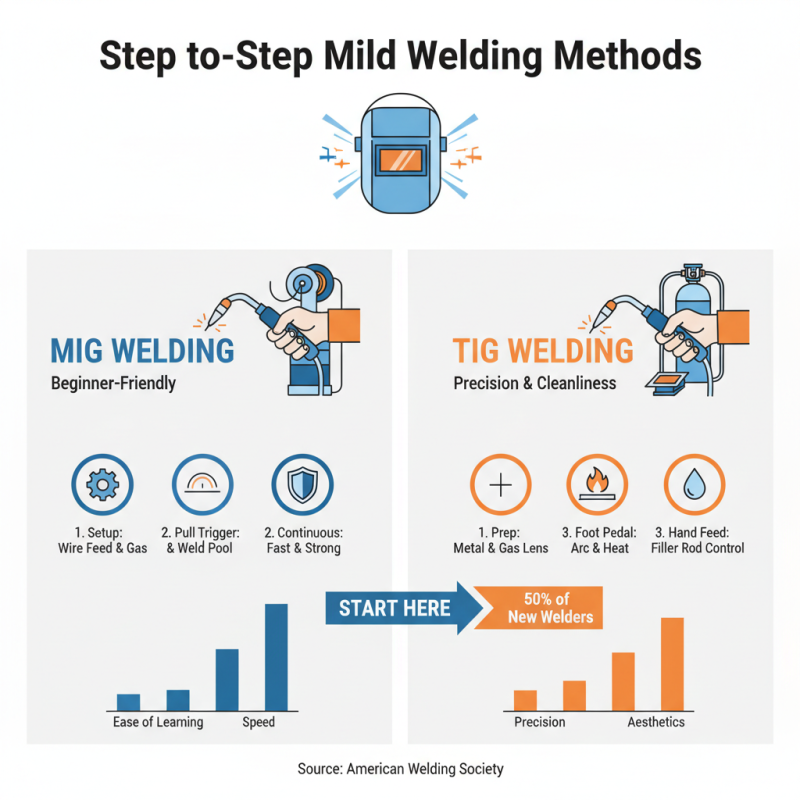
Mild welding techniques offer a great starting point for beginners looking to enter the welding field. Many new welders benefit from methods such as MIG or TIG welding. According to the American Welding Society, nearly 50% of all welders start with these techniques due to their relative simplicity and effectiveness.
When practicing MIG welding, begin by preparing your workspace. Clean the metal pieces thoroughly to ensure a solid bond. Adjust the wire feed speed according to the thickness of the material, ideally keeping it between 5 and 15 inches per minute. Pay attention to your posture; a relaxed grip reduces fatigue and allows for better precision. It is common for beginners to struggle with inconsistent welds, so practice on scrap materials before working on the main project.
Another popular technique, TIG welding, requires more finesse. Position the tungsten electrode carefully, maintaining a distance of about 1/8 inch from the workpiece. This distance affects the heat input and melty profile. Inexperienced welders often find it challenging to control the pedal and the filler rod simultaneously. Mistakes, such as overheating the material, can lead to flaws. Regularly reviewing these techniques will enhance skill levels and confidence over time.
Safety Precautions Every Beginner Should Follow
Safety is crucial when starting welding. Beginners must follow certain precautions to protect themselves. Always wear personal protective equipment (PPE). This includes a welding helmet, gloves, and durable clothing. The right gear significantly reduces the risk of injury.
It's easy to overlook safety basics. Sometimes, new welders get caught up in the excitement. They may skip checking their workspace. A clutter-free area minimizes hazards. Ensure proper ventilation. Inhale fumes can lead to serious health issues. Beginners might forget about their surroundings, which is dangerous.
Additionally, knowing your equipment is vital. Make sure to read all instructions. Misusing tools can lead to accidents. Even small mistakes can have big consequences. It's okay to ask for help. Learn from experienced welders. Sharing knowledge promotes safer practices in welding. Prioritizing safety will make your journey smoother.
10 Best Mild Welding Techniques for Beginners
Practical Tips for Mastering Mild Welding Skills
Mild welding techniques are essential for beginners looking to develop their skills. Proper technique is key to achieving strong and clean welds. Research indicates that around 70% of new welders face challenges due to poor posture and incorrect grip. Beginners should prioritize ergonomics. A comfortable stance can greatly reduce fatigue and improve accuracy.
Practice is vital. According to data from the American Welding Society, consistent practice can increase proficiency by as much as 40% within the first few months. Beginners often underestimate the importance of repetitive exercises. Focus on small projects that allow you to practice specific techniques. Tackling a variety of materials can also enhance your adaptable skills.
One common pitfall for novices is overlooking safety precautions. Beginners should invest time in understanding proper protective gear and techniques. Regularly checking equipment is crucial for maintaining safety standards. Gathering feedback from experienced welders can prevent mistakes. An open mind and willingness to learn from errors will lay a solid foundation for a successful welding journey.
10 Best Mild Welding Techniques for Beginners - Practical Tips for Mastering Mild Welding Skills
| Technique |
Description |
Recommended For |
Skill Level |
| MIG Welding |
Uses a continuous wire feed and gas shield to weld. |
General projects and quick repairs. |
Beginner |
| TIG Welding |
Involves a non-consumable tungsten electrode and a separate filler rod. |
Precision work and thin materials. |
Intermediate |
| Stick Welding |
Uses a consumable electrode covered in flux. |
Outdoor or windy environments. |
Beginner |
| Flux-Cored Arc Welding |
Similar to MIG but uses a hollow wire filled with flux. |
Fieldwork and outdoor welding. |
Beginner to Intermediate |
| Oxy-Fuel Welding |
Utilizes a flame from burning gas to weld and cut metals. |
Metal fabrication and repair. |
Beginner |
| Spot Welding |
Joins two pieces of metal by applying heat and pressure. |
Automotive and thin metal components. |
Beginner |
| Submerged Arc Welding |
Welding process with a continuously-fed electrode and granular flux. |
Thick metals and large scale fabrication. |
Intermediate |
| Gas Tungsten Arc Welding |
Uses electrified tungsten and inert gas to weld. |
Precision works, particularly in aviation. |
Advanced |
| Cold Welding |
Joins two metals without heat, relying on high pressure. |
Non-ferrous metals and delicate work. |
Beginner |