
company

How to Understand Welding Rod Purpose in 2026?

Understanding Welding Rod Purpose in 2026 requires more than matching a rod to a metal color. Each electrode controls arc stability, penetration, slag formation, and the finished weld’s strength. In workshop practice, the wrong rod can create visible undercut, trapped slag, or a brittle joint near the heat-affected zone. It may still look acceptable. That is the danger.

The American Welding Society’s workforce projections indicate that the United States may need about 330,000 new welding professionals by 2028. This shortage increases the value of clear electrode selection and practical training. Meanwhile, MarketsandMarkets’ Welding Equipment Market report projects continued industry growth through 2028, supported by construction, energy, transportation, and repair work. More equipment does not guarantee better welds. Judgment still matters.

This guide explains Welding Rod Purpose through electrode classifications, coating types, polarity, material thickness, and service conditions. AWS A5.1 and related standards provide useful classification systems, including tensile strength, welding position, and current requirements. A rod marked E7018, for example, is not simply “strong”; its low-hydrogen coating demands proper storage and handling. Moisture changes performance. Small details matter.

Some simplified charts miss real workshop conditions. Joint fit-up, surface contamination, machine settings, and operator technique can alter results. That deserves reflection. A technically correct rod can still produce a poor weld when preparation is careless. Reliable selection combines manufacturer datasheets, qualified procedures, inspection records, and experienced supervision. Safety guidance from OSHA and applicable local standards should also shape the process. The goal is not merely a clean bead. It is a dependable connection that performs under real load.

How to Understand Welding Rod Purpose in 2026?

What a Welding Rod Is and How It Works

How to Understand Welding Rod Purpose in 2026?

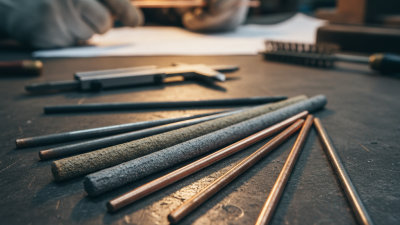
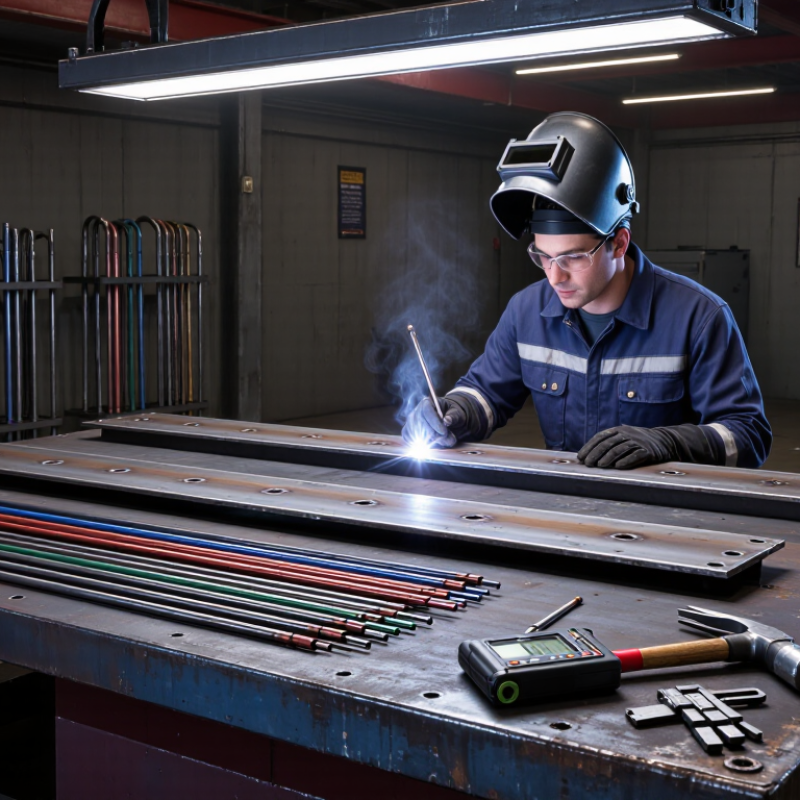
A welding rod is a metal filler used to join two prepared surfaces. In stick welding, it also carries the electric current. When the rod touches the workpiece, an arc forms and creates intense heat. The metal core melts into the joint. Its flux coating melts too.

This coating produces shielding gas and slag around the weld pool. The protection limits contact with oxygen and nitrogen. Without it, the bead may become porous or weak.

Rod purpose depends on the base metal, joint position, and welding current. Some rods suit mild steel and general repairs. Others provide stronger penetration or better performance on rusty surfaces.

Rod diameter affects heat control. A thin rod works better on light material. A larger rod deposits more metal but needs higher current. Too much heat can burn through a thin edge. I have made that mistake.

The welder must also match polarity and amperage to the rod specification. A damp rod can create unstable arcs, excessive spatter, or hidden defects. Store rods in a dry, controlled environment whenever possible.

Clean the joint before striking the arc. Watch the arc length closely; a long arc often produces a rough, weak bead. A short, steady arc gives better control.

Still, appearance alone cannot prove weld quality. Critical work requires suitable inspection and qualified procedures.

How Welding Rod Types Differ by Coating and Core Material

How to Understand Welding Rod Purpose in 2026?

A welding rod’s coating controls the arc, slag, penetration, and moisture sensitivity. Its core carries metal into the joint. These functions are related, but they are not interchangeable.

Rutile coatings usually create a smooth arc and easy slag release. They suit visible fillets, repairs, and general fabrication. Cellulosic coatings produce deeper penetration and a forceful arc. They can help on open-root joints, but they demand stronger operator control. Basic, low-hydrogen coatings reduce diffusible hydrogen when stored and used correctly. ISO 2560:2020 classifies covered electrodes by strength, chemistry, coating type, and welding position. The classification matters more than a familiar package color.

Core material changes the finished weld. A mild-steel core fits common structural work. Stainless electrodes use alloyed cores, such as chromium-nickel grades, to preserve corrosion resistance. Matching the core to the base metal prevents an attractive but unsuitable bead.

E7018 indicates a 70 ksi minimum tensile class and a low-hydrogen coating category under AWS classification practice. Dry storage is not optional. Moisture can increase cracking risk, especially in restrained joints.

The American Welding Society projects a need for 330,000 new welding professionals in the United States by 2028. That workforce pressure may encourage quick choices. I still see experienced welders judge rods by arc feel alone. That is useful, but incomplete.

A 2024 global welding-consumables market analysis estimated continued growth through 2030, driven by construction and manufacturing demand. Bigger demand does not excuse weak procedure control. My own imperfect rule is simple: read the classification, inspect storage, then test the bead on matching material.
How to Match a Welding Rod to the Base Metal

How to Understand Welding Rod Purpose in 2026?

Matching a welding rod to the base metal begins with identification. Check the material grade, thickness, and condition before opening the electrode container. Carbon steel commonly uses electrodes designed for compatible tensile strength and penetration. Low-hydrogen electrodes can reduce cracking risks when moisture, restraint, or thicker sections are involved. Keep them dry according to the manufacturer’s instructions.

Stainless steel needs a filler that matches its alloy family and corrosion requirements. Using ordinary carbon-steel electrodes may create a weak or contaminated joint. Cast iron is less forgiving. Nickel-based electrodes often help manage its brittleness, but preheating and slow cooling still matter. Aluminum usually requires a compatible aluminum filler and a process suited to its oxide layer. The rod alone cannot fix poor surface preparation.

I have learned to inspect the joint, not just the metal label. A thin sheet may need a smaller diameter rod and lower heat. A vertical weld may require a controllable, fast-freezing electrode. Polarity also changes arc behavior and penetration. Read the classification markings, then compare them with a current welding procedure or approved technical chart. I once chose a rod by strength alone, and the bead looked acceptable but cracked later. That mistake still matters. Matching chemistry, mechanical needs, welding position, and job conditions takes more judgment than a simple chart suggests.

How Welding Rod Size, Current, and Position Affect Results

How to Understand Welding Rod Purpose in 2026?

How Welding Rod Size, Current, and Position Affect Results

A welding rod is not selected by diameter alone. Its size, coating, and classification must match the joint, base metal, and welding position. In hands-on repairs, I have found that a small diameter rod gives better control on thin steel. A larger rod deposits metal faster but can overheat the edge. That mistake creates burn-through or a weak, uneven bead.

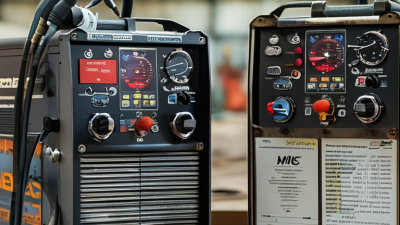
Current settings change the rod’s behavior immediately. Too little current causes sticking, poor fusion, and a tall bead. Too much current produces excessive spatter and may damage the workpiece. The correct range depends on rod classification, diameter, machine type, and joint design. A datasheet provides a safer starting point than guesswork. Still, test on scrap first.

Position also affects the result. Flat welding usually allows higher deposition and easier puddle control. Vertical and overhead work often need lower current, shorter arcs, and smaller rods. Watch the molten puddle, not only the machine display. It should move steadily without flooding the joint. I sometimes reduce current too far when welding overhead, then compensate with extra passes. That approach feels safer, but it can leave incomplete fusion. Careful inspection, clean surfaces, proper ventilation, and suitable protective equipment remain essential.

How to Understand Welding Rod Purpose in 2026? - How Welding Rod Size, Current, and Position Affect Results

Electrode Classification Common Diameter Typical Current Range Recommended Polarity Typical Welding Positions Primary Purpose Expected Result
E6010 2.5 mm (3/32 in)
3.2 mm (1/8 in)
40–90 A
75–125 A
DC electrode positive (DC+) All positions Deep penetration, root passes, and welding through light surface contamination Narrow, forceful arc with deep fusion and a fast-freezing slag layer
E6011 2.5 mm (3/32 in)
3.2 mm (1/8 in)
45–90 A
80–130 A
AC or DC electrode positive All positions Repair work and outdoor welding where AC power may be used Strong arc penetration with good arc starting and moderate slag coverage
E6013 2.5 mm (3/32 in)
3.2 mm (1/8 in)
60–90 A
90–130 A
AC, DC+, or DC electrode negative (DC−), depending on the procedure All positions for suitable diameters General-purpose fabrication, sheet metal, and clean mild steel Smooth, stable arc, moderate penetration, and easy-to-remove slag
E7018 2.5 mm (3/32 in)
3.2 mm (1/8 in)
4.0 mm (5/32 in)
70–100 A
90–140 A
125–185 A
AC or DC+ All positions, subject to diameter and procedure limits Structural and higher-strength low-alloy steel applications Low-hydrogen weld metal, smooth bead profile, and strong mechanical performance
E7024 3.2 mm (1/8 in)
4.0 mm (5/32 in)
4.8 mm (3/16 in)
130–180 A
180–240 A
230–300 A
AC or DC+ Primarily flat and horizontal fillet positions High-deposition fillet welds and repetitive production work Wide, smooth beads with high deposition and relatively low operator effort
E308L-16 2.5 mm (3/32 in)
3.2 mm (1/8 in)
50–80 A
75–110 A
AC or DC+ All positions for suitable diameters Joining common austenitic stainless steels of compatible composition Corrosion-resistant weld metal with a stable arc and clean bead appearance
How size and current affect results: A larger electrode generally requires more amperage and deposits more metal, making it suitable for thicker material and longer welds. A smaller electrode uses less current, produces a narrower bead, and is easier to control on thin material or in restricted positions. The current ranges shown are typical starting points; always follow the electrode manufacturer's classification requirements, the welding procedure, material thickness, joint design, and applicable safety standards.

How to Store, Prepare, and Use Welding Rods Safely

How to Understand Welding Rod Purpose in 2026?

Welding rods need more than a dry shelf. Their coating controls arc stability, slag formation, penetration, and hydrogen exposure. In real shop practice, moisture is a quiet source of cracked welds.

Low-hydrogen rods should remain sealed until use, then stay in a heated holding oven according to the electrode manufacturer’s instructions. Never trust a damaged coating. Discard rods with flaking, swelling, rust, or visible contamination.

Preparation begins with clean steel, dry gloves, and a verified welding machine. Remove paint, oil, and moisture from the joint. Use suitable ventilation because NIOSH describes welding fumes as a complex mixture of metal particles and gases.

The International Agency for Research on Cancer classified welding fumes as carcinogenic to humans in 2017. OSHA’s Welding, Cutting, and Brazing Safety guidance also highlights fire, ultraviolet radiation, electric shock, and respiratory hazards. These risks are easy to underestimate.

Tips: Keep rods off concrete floors. Check the storage temperature daily. Use older opened packs first. Follow the exact rebaking schedule. Keep the oven closed. Test one rod before production work. A dry box is not magic. I still inspect every coating before striking an arc. That extra minute can expose a storage mistake, although even experienced welders sometimes skip it under pressure.