Top 10 Core Welding Wire Types for Global Buyers?
In the world of welding, Core Welding Wire plays a crucial role. It affects the efficiency and quality of welds across various industries. Understanding the different types of core welding wire available is essential for buyers globally. Each type has unique properties and applications, making it vital to select the appropriate one for specific projects.
Quality matters when it comes to core welding wire. Different manufacturers may have varying standards, which can lead to inconsistencies in performance. Buyers should focus on reputable suppliers who provide reliable products. Investing time in research will pay off. It ensures that projects are completed successfully and minimize the risk of errors.
This guide explores the top 10 core welding wire types suited for global buyers. Each type is described in detail, highlighting its advantages and potential drawbacks. It's important to reflect on the selection process, as the wrong choice can impact long-term results. By considering both technical specifications and practical applications, buyers can make informed decisions that enhance their welding outcomes.
Types of Core Welding Wires: An Overview for Global Buyers
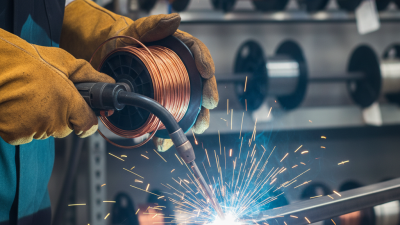
Core welding wires play a crucial role in modern welding processes. Various types cater to different applications, ensuring versatility and efficiency. Solid wires are common for MIG welding, providing excellent feedability and Arc stability. Flux-cored wires offer added convenience for outdoor use. They can be used without shielding gas, which is beneficial in windy conditions.
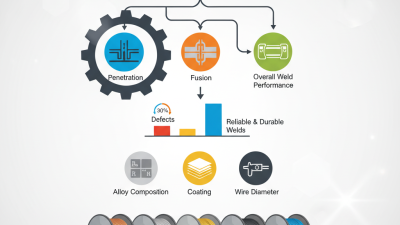
A recent industry report highlights the increasing demand for gas-shielded flux-cored wires. These wires provide higher deposition rates and better weld quality. Reports indicate that these wires can increase productivity by up to 30%. However, selecting the right core wire involves understanding specific requirements like material type and thickness.
Buyers should also note that not all core wires are equal. The composition and manufacturing process can vary significantly. Factors such as mechanical properties and weld integrity must be assessed. A lack of proper testing and application might lead to welding defects. Observing these details can enhance project outcomes and minimize risks.
Top 10 Core Welding Wire Types for Global Buyers
Understanding Solid and Flux-Cored Welding Wires
Welding wire types vary widely, but two main categories stand out: solid and flux-cored wires. Solid wires are often used for MIG welding. They provide a smooth weld bead and are generally easy to use. However, they require a shielding gas to protect the weld pool. In windy or outdoor conditions, this can be a drawback. Solid wire can sometimes struggle with thicker materials due to its limited penetration.
On the other hand, flux-cored wires are more versatile and can be used without shielding gas. They generate their own shielding during the welding process, making them suitable for outdoor projects. This versatility allows for better performance in various conditions, but the welds can be less clean. Additionally, flux-cored wires produce more smoke and spatter, which can lead to a messier workspace. It’s important for welders to choose wisely between these options, considering both the project requirements and personal skill level.
Key Factors to Consider When Choosing Welding Wire Types
Choosing the right welding wire type is crucial for successful welding projects. Various factors come into play when making this decision. First, consider the material you will be welding. Different metals require specific wire compositions. For instance, stainless steel needs a different wire than aluminum. This specificity ensures optimal results and durability.
Another vital aspect is wire diameter. Thicker wires can be used for heavier materials, while thinner wires may be suitable for delicate tasks. It's not just about the diameter; the wire’s tensile strength matters too. It should match the strength of the base metal. Many overlook this detail, leading to structural weaknesses.
Lastly, consider the shielding gas compatibility. Not all wires work with every type of gas. This choice can greatly affect the weld quality. As a result, it is essential to review your project requirements thoroughly. Many welders find themselves needing to adjust their techniques or equipment after the fact, highlighting the importance of proper planning. Mistakes can teach valuable lessons but avoiding them is even better.
Comparative Analysis of Popular Welding Wire Brands Worldwide
Welding wire plays a crucial role in the manufacturing and construction sectors. Various types of welding wire are tailored for diverse applications, catering to both skilled professionals and global buyers. According to a recent market report by Grand View Research, the global welding wire market is projected to reach 15.5 billion USD by 2025, indicating significant demand growth.
Each type of welding wire has unique features that can influence project outcomes. For instance, ER70S-6 filler wire is preferred for its versatility in welding mild steel. Users find it effective in various applications, but they often reflect on its performance in less-than-ideal situations. On the other hand, flux-cored wires offer excellent penetration. However, they may create more spatter, necessitating post-weld cleanup.
Brand reputation varies globally, impacting buyer choices. A study from Research and Markets highlights that regions like North America and Europe dominate due to stringent quality standards. In contrast, buyers from developing countries sometimes face challenges in sourcing high-quality materials. These disparities in market access raise questions about standardization and quality assurance in welding wire production.
Applications and Industry Uses of Different Welding Wire Types
Welding wire types play a crucial role in various industries, from automotive to construction. The selection varies based on specific applications and desired outcomes. According to the American Welding Society, different wire types can influence the overall quality of welds, affecting durability and strength.
For example, solid welding wire is widely used in industrial settings. It offers a consistent performance for steel and other metals. Flux-cored wire is another popular option. It allows for welding in outdoor conditions, providing great versatility. These wires find applications in shipbuilding and pipeline construction, where durability is paramount. Notably, the demand for flux-cored wire is projected to grow by 5% annually through 2025, highlighting its importance.
In contrast, the TIG (Tungsten Inert Gas) welding process requires specific wires like ER70S-2. This wire performs well in both thin and thick materials. Various sectors, such as aerospace, rely on TIG welding for its precision. However, users must consider the potential for increased costs due to the selected wire type. Balancing cost with performance remains a critical challenge in welding practices today.