
- [email protected]
- Mon - Sat at 7:00AM to 9:00AM
E6013 vs E7018: Key Differences and Insights from Manufacturers
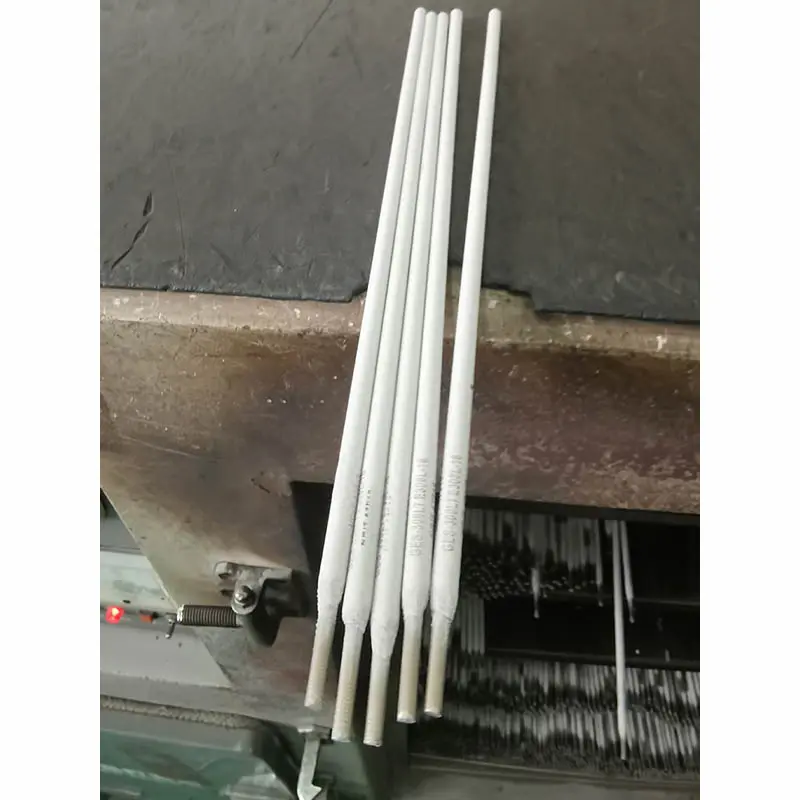
When selecting welding electrodes, it is essential to understand the distinctions between E6013 and E7018 for optimal outcomes. E6013 is favored for its versatility and ease of handling, making it suitable for light fabrication and repair tasks. In contrast, E7018 provides deeper weld penetration and enhanced strength, catering to structural applications that demand durability. Our commitment as a manufacturer lies in delivering high-quality electrodes at competitive wholesale prices. Whether you are an experienced welder or just beginning, understanding these key differences allows for well-informed decisions that impact your projects. Choosing the right electrode can significantly enhance your welding efficiency and the longevity of your work. Our E6013 and E7018 electrodes ensure consistent performance and reliability, designed specifically to support your welding needs and improve your business outcomes.
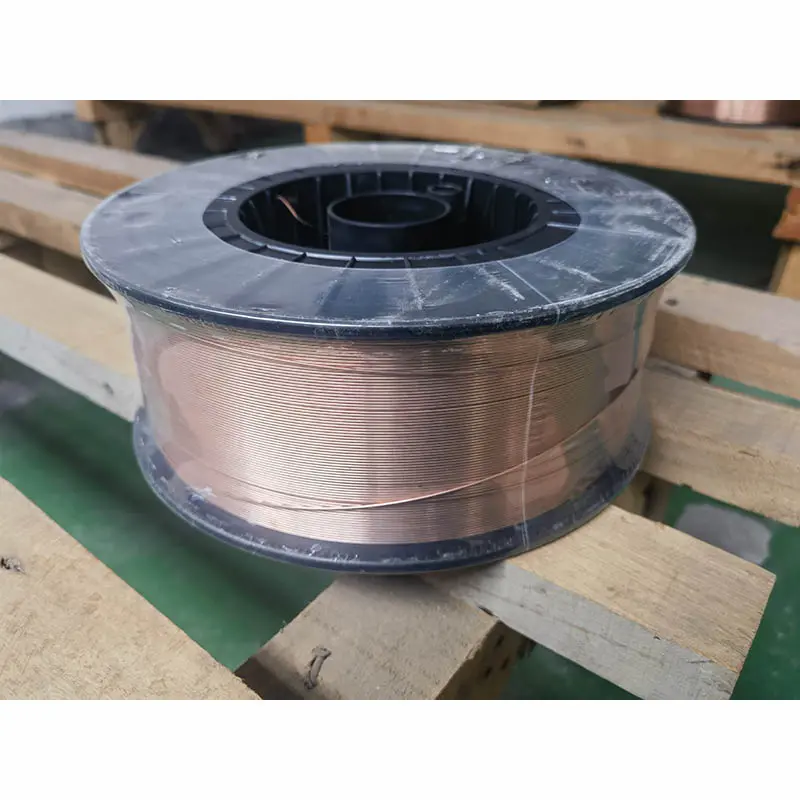
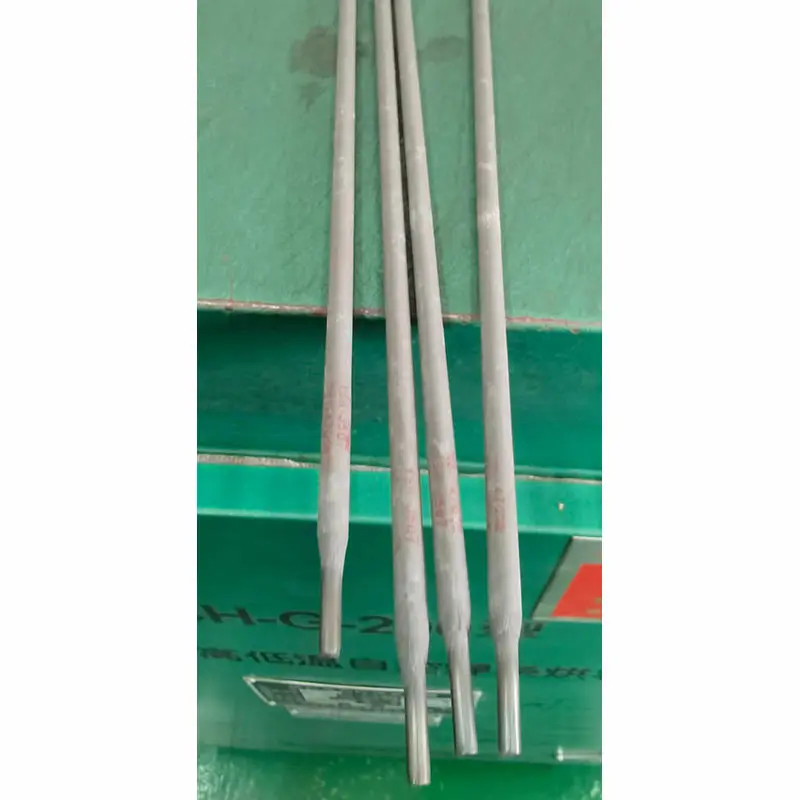
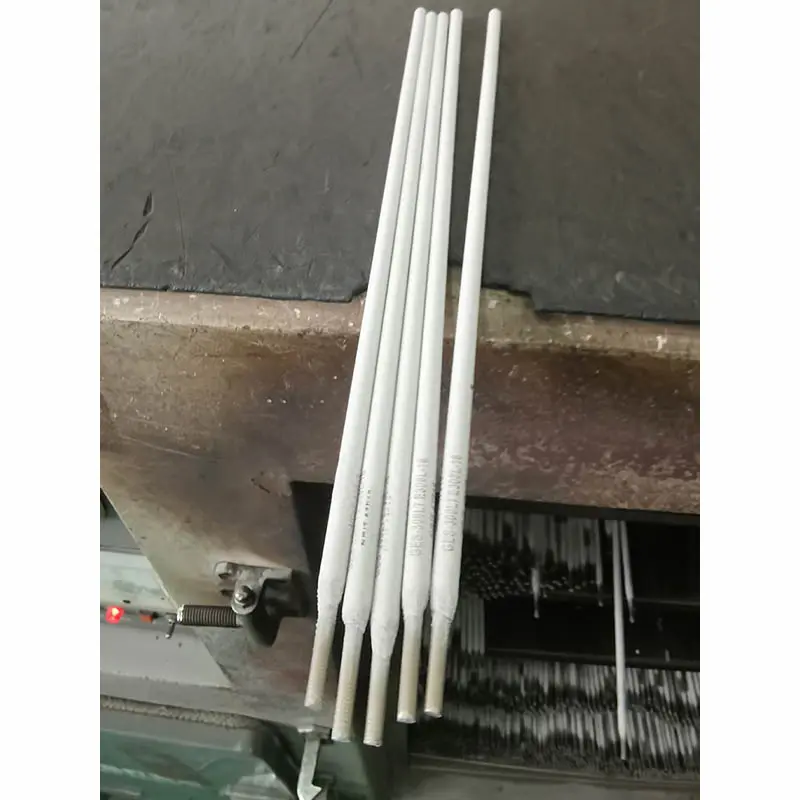
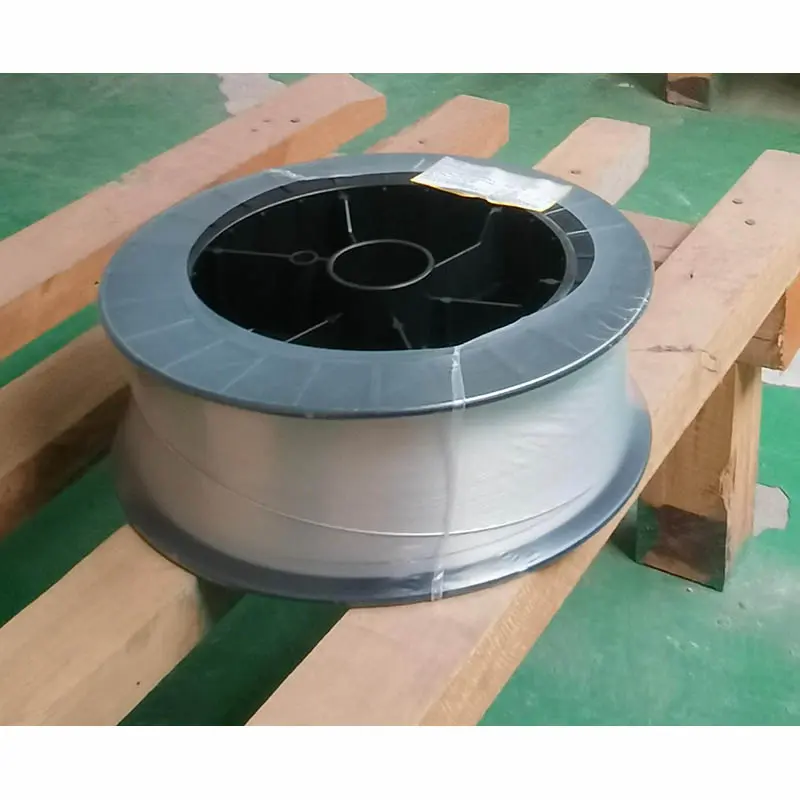
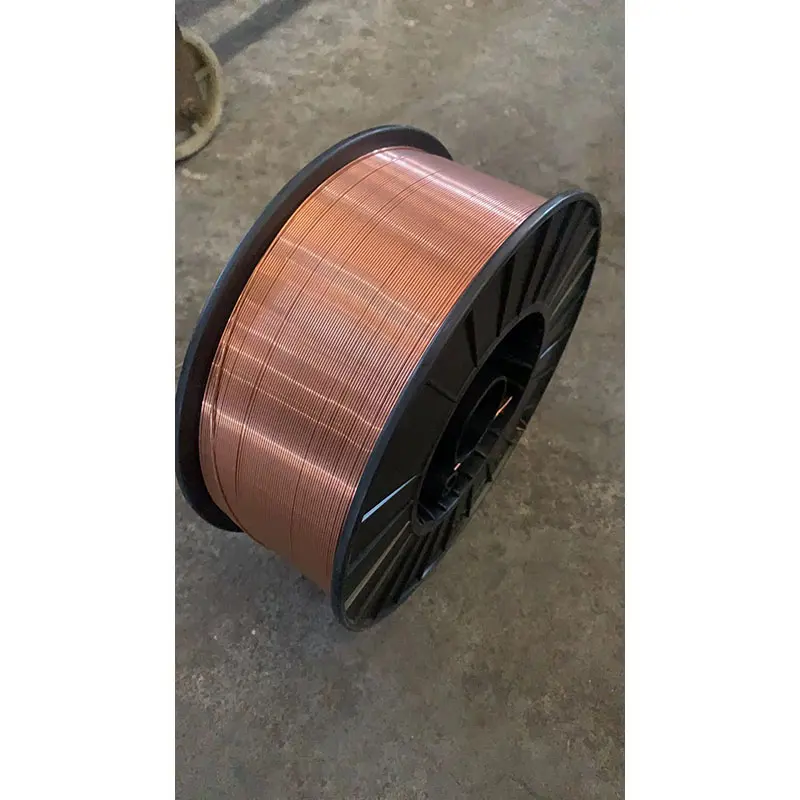
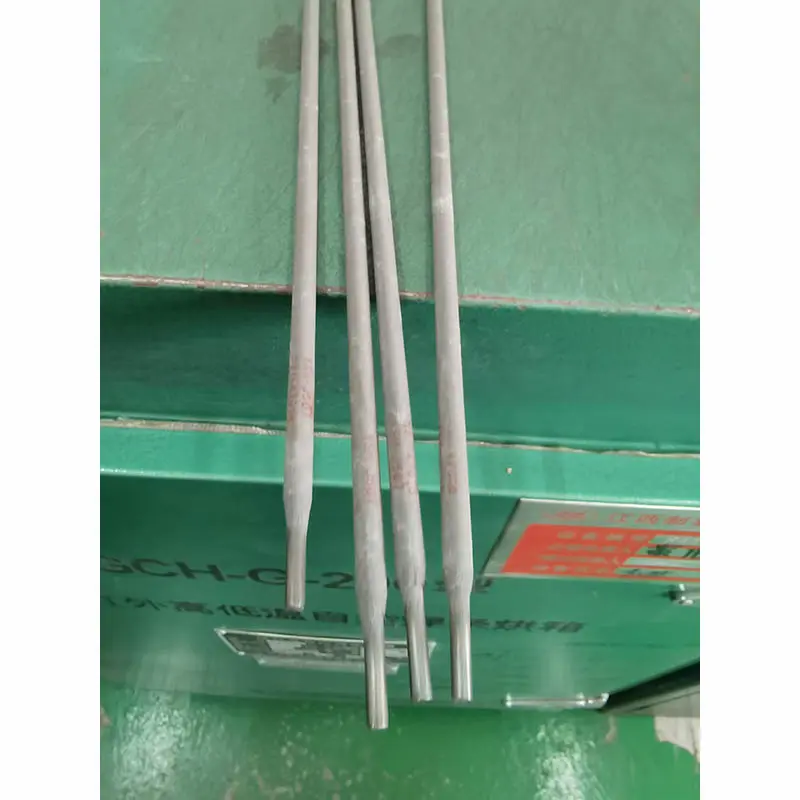
Difference Between E6013 And E7018 Industry Giant Your End-to-End Solution
When it comes to welding electrodes, choosing the right type can significantly impact the quality and efficiency of your projects. Among the most popular options in the industry are E6013 and E7018 electrodes, each with distinct characteristics and applications. Understanding the fundamental differences between these two can help procurement managers and welders make informed decisions, ensuring optimal results in fabrication and construction. E6013 electrodes are versatile and suitable for both AC and DC welding. They are renowned for their ease of use, making them ideal for beginners and general-purpose applications. Their ability to produce clean welds with a smooth finish makes them a go-to choice for light to medium fabrication, especially in automotive repair and home projects. However, they are not recommended for structural welding due to their lower tensile strength compared to E7018 electrodes. On the other hand, E7018 electrodes are specifically designed for structural welding applications requiring high strength and ductility. With a low hydrogen content, these electrodes minimize the risk of cracking in critical welds, making them essential in projects involving high-stress environments. While they demand a bit more skill and precision during application, the resulting weld quality can withstand much harsher conditions. In summary, the choice between E6013 and E7018 ultimately boils down to the specific requirements of your welding project, so understanding their differences is crucial for successful outcomes in any welding operation.
Difference Between E6013 And E7018
| Property | E6013 | E7018 |
|---|---|---|
| Applicability | All-position welding | Primarily for flat and horizontal positions |
| Welding Type | AC and DC | DC only |
| Strength | Moderate | High tensile strength |
| Coating | Rutile type | Low hydrogen type |
| Mechanism | Good for thin materials | Ideal for thicker materials |
| Post-Weld Treatment | Minimal | Required to prevent hydrogen cracking |
Related Products
Difference Between E6013 And E7018 Supplier Leads the Global Market
Top Selling Products

- Related Blog
- Reviews


