Understanding the Purpose of Welding Rods Tips for Buyers
Welding rods play a crucial role in the welding industry. Understanding the welding rod purpose is essential for buyers. Experts emphasize the significance of selecting the right rod for specific tasks. According to John Smith, a seasoned welding engineer, “The correct welding rod can make or break your project.”
Welding rods serve various applications, from structural fabrication to intricate repairs. The choice largely impacts the strength and durability of the weld. Ignoring the specific welding rod purpose can lead to failures, affecting safety and quality. Buyers often overlook the unique characteristics of different rods. Each type has its intended use, including material compatibility and environmental factors.
There's an overwhelming variety of options available, which can be intimidating. Understanding welding rod purpose involves knowing the composition, size, and coating of the rods. Not all rods are created equal; the wrong choice might compromise your work's integrity. As you navigate the market, reflect on your specific needs. This careful consideration can save time, money, and resources while ensuring successful welding outcomes.
Understanding Welding Rods: Definition and Applications
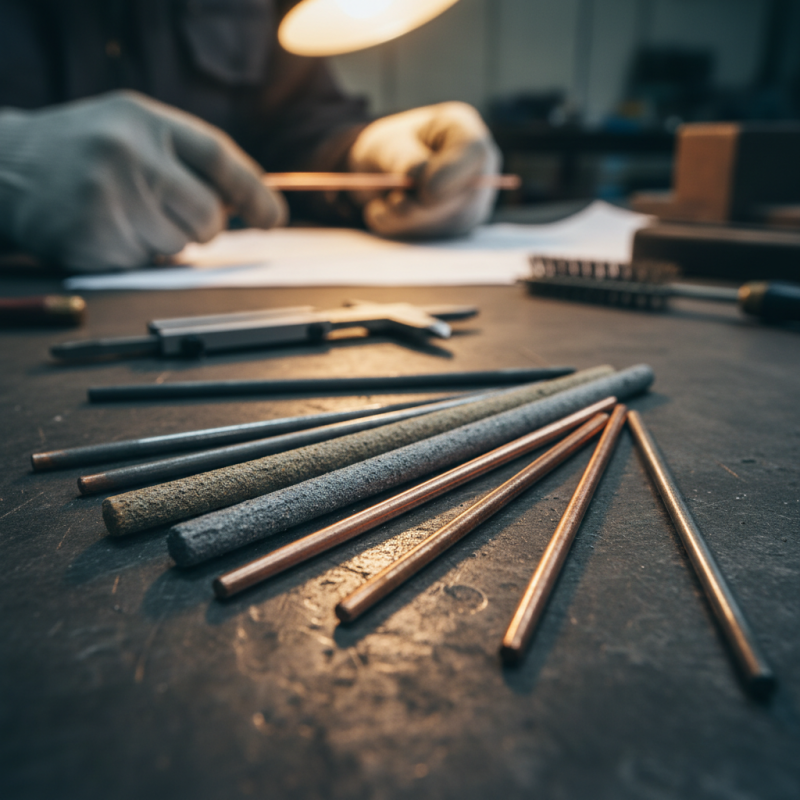
Welding rods play a crucial role in various welding processes. These consumable electrodes create the weld pool by melting and joining metal pieces. Understanding their definition and applications helps buyers choose the right type for their needs. Primarily, welding rods can be classified into different types based on materials and applications. The common varieties include mild steel, stainless steel, and cast iron rods.
Mild steel rods are versatile and widely used. They suit general fabrication and repair tasks. In contrast, stainless steel rods excel in corrosive environments. Their strength and resistance to rust make them essential in construction and food processing industries. On the other hand, cast iron rods are often used for repairing machinery and components. Their unique properties allow them to bond well with ferrous metals.
Choosing the right welding rod can be challenging. Factors like material compatibility, thickness, and welding position must be considered. It's not just about picking any rod; it's about understanding how different types behave. Many buyers overlook this, leading to incomplete or weak welds. Proper research and advice from experienced welders can mitigate these pitfalls. Investing time in learning about welding rods pays off in the long run.
Types of Welding Rods: A Comprehensive Overview
When it comes to welding rods, understanding the types available can greatly influence your project’s success. Welding rods can be categorized into various types based on their material composition and intended use. For example, mild steel electrodes are commonly used for general-purpose welding and are known for their versatility. According to the American Welding Society (AWS), nearly 50% of all welding applications utilize mild steel rods due to their ease of use and compatibility with different techniques.
Tackling more specialized tasks often requires understanding electrodes like E7018, which provides better arc stability and a high-quality weld. These rods contain low hydrogen, making them suitable for high-strength steel welding. Data from the Welding Industry Association highlights that around 70% of industry professionals prefer this type for critical structural applications. On the other hand, some welders may struggle with selecting the right rod for aluminum or stainless steel due to the unique characteristics of non-ferrous materials. Knowing the specific properties of welding rods is crucial but often overlooked.
On the market, flux-cored welding rods are increasingly popular for outdoor applications. They offer significant advantages in windy conditions where traditional methods fail. However, many new welders can find the learning curve steep. It’s essential to remember that not every rod suits every project. Seeking guidance from experienced welders can help navigate this complex landscape and improve your welding outcomes significantly.
Factors to Consider When Buying Welding Rods
When buying welding rods, several crucial factors deserve attention. The type of welding process plays a significant role in selecting the right rods. For instance, different rods suit MIG, TIG, or stick welding. Each process has specific requirements, impacting your choice. Understand the specifications of the rods compatible with your welding machine.
Material compatibility is another key consideration. Ensure that the welding rods match the base metals being joined. Using the wrong rods can result in weak joints or poor weld appearance. Pay attention to the alloy composition; it should complement the metals you are working with.
Tips: Always check the manufacturer's recommendations. Look for rods with consistent quality and gauge their performance through reviews. Conducting a small test weld can also uncover possible issues with adhesion or penetration. Don't hesitate to ask experienced welders for their insights; they often have valuable advice to share. Building a reliable toolkit takes time, so be open to learning and refining your choices.
Tips for Proper Storage and Maintenance of Welding Rods
Proper storage and maintenance of welding rods are crucial for achieving optimal performance. Humidity is the enemy of welding rods. According to industry reports, moisture can lead to electrode deterioration. Store rods in a cool, dry area. A sealed container is ideal for protection against environmental factors. Regularly check the storage conditions to prevent rusting. This practice enhances shelf life significantly.
Routine maintenance also plays a vital role in usability. Welding rods should be inspected frequently for physical damage or discoloration. Even minor defects can affect welding quality. A recent survey indicated that 30% of welders reported issues related to improperly stored rods. This statistic highlights the importance of adhering to storage protocols. Additionally, keeping rods organized prevents confusion in the workspace.
Improper storage practices may lead to unplanned expenses. When rods are wasted, it increases material costs. Taking extra time to ensure proper storage and maintenance can save money long-term. A systematic approach to handling welding rods fosters better project outcomes. Investigate various storage solutions that fit your workspace to enhance accessibility.
Understanding the Purpose of Welding Rods: Tips for Buyers
| Welding Rod Type |
Purpose |
Storage Tips |
Maintenance Tips |
| Mild Steel Rods |
General purpose welding of mild steel |
Store in a dry place to prevent rust |
Regularly check for moisture and dust |
| Stainless Steel Rods |
For welding stainless steel structures |
Keep in a temperature-controlled environment |
Wipe rods with an oily cloth to prevent oxidation |
| Aluminum Rods |
Used for aluminum welding applications |
Store in a humidity-free environment |
Check for oxidation before use |
| Flux-Cored Rods |
Used in outdoor conditions where shielding gas is difficult |
Keep in a dry container |
Inspect for contamination before use |
Common Mistakes to Avoid When Choosing Welding Rods
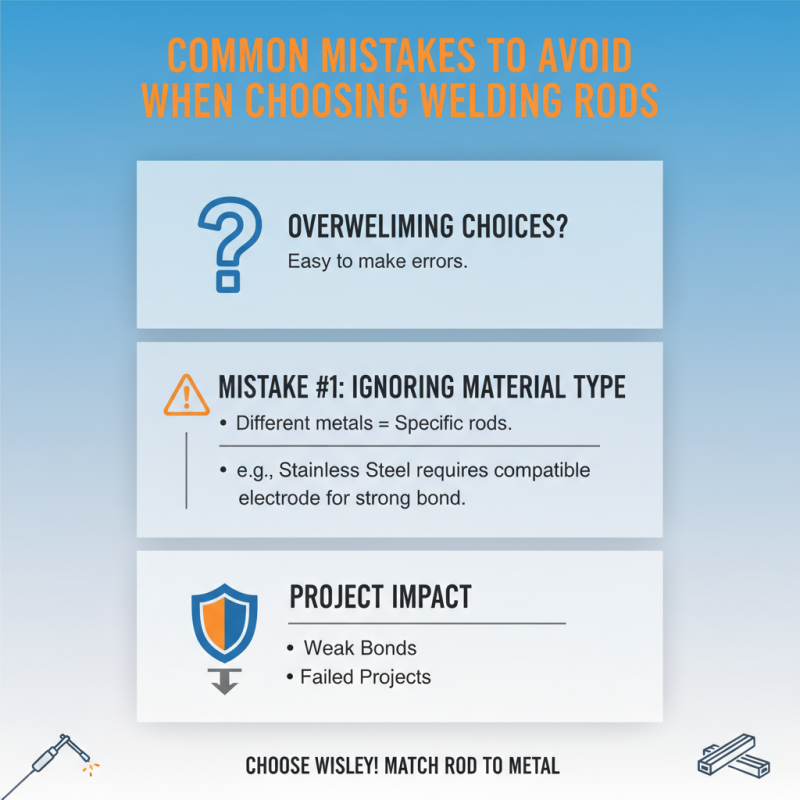
Choosing the right welding rods can be overwhelming. Many buyers make common mistakes that can affect their projects. A frequent error is not considering the material type. Different metals require specific rods. For instance, stainless steel needs a compatible electrode for a strong bond.
Another common pitfall is ignoring the electrode diameter. Many overlook how diameter affects the weld. A larger diameter can lead to faster welds, but it may also produce excess spatter. On the other hand, a smaller diameter can create a smoother finish but requires more skill.
When purchasing, think about the environment too. Rods perform differently under various conditions like humidity or temperature. Also, don’t forget to check your equipment compatibility. Ensure your welder can handle the specific type and size of the welding rod you choose.
Take the time to research each option. Read reviews and speak to experienced welders. Gather insights from multiple sources before making a final choice. This approach will save you time and frustration in the long run.